
What It Costs
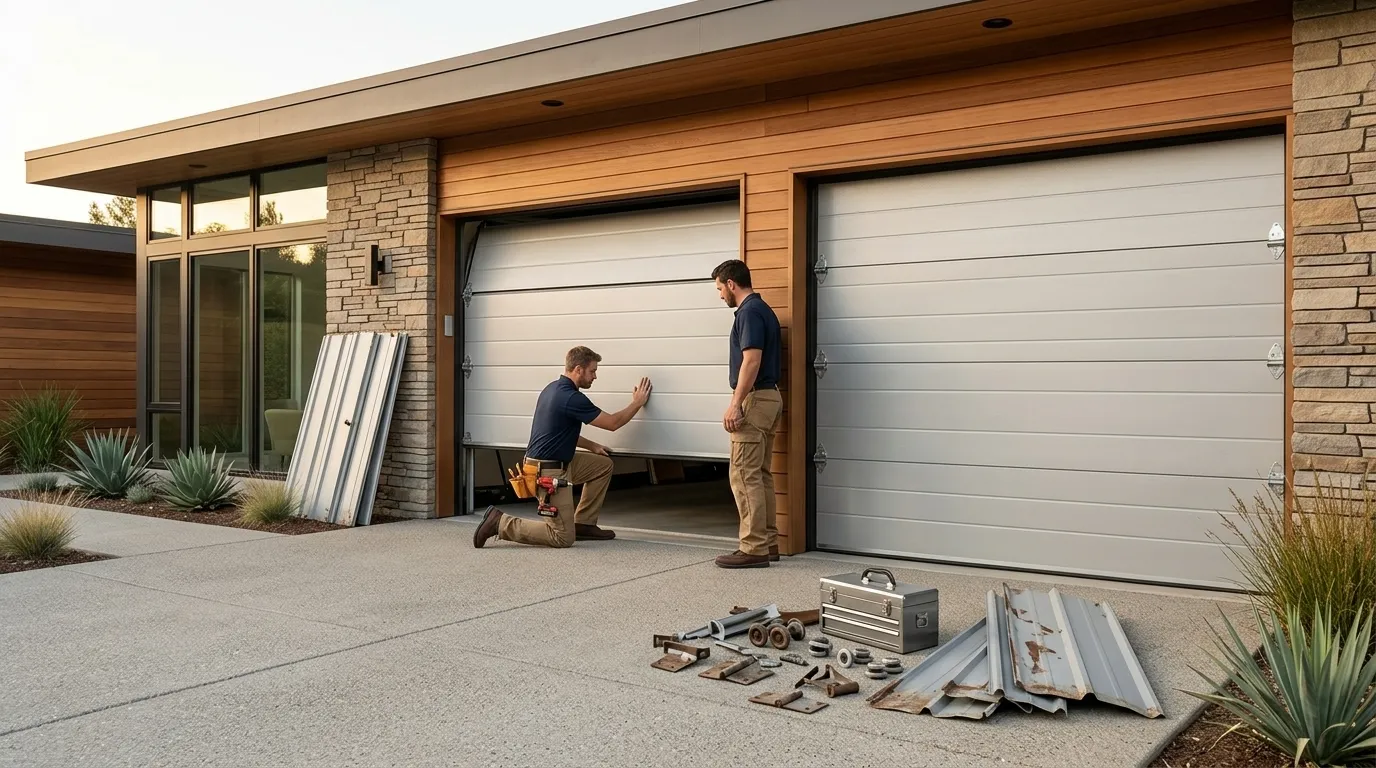
We don't post a flat number for commercial work because the range is wide - a single spring swap on a 10-foot door isn't the same job as replacing a 16-foot sectional door with a heavy-duty opener on a warehouse bay. What we can tell you is that most of the commercial buildings we work on in this area went up between 1965 and 2012, with the heaviest concentration built in the 1980s and 90s. That means the doors we're pulling parts for are almost always standard sectional steel on torsion hardware sized for that era, not custom or oversized units, which keeps parts costs predictable even when labor varies by job. Household income across the service area runs a median of $84,310, and most of our commercial calls come from owners who want a straight answer before we start, not a surprise on the invoice. We quote after we see the door and the opener, because guessing over the phone gets both of us in trouble. If a door needs a full replacement instead of a repair, we'll say so before we touch a tool - patching a door that's structurally done just moves the failure down the road a few months.
Why This Fails Locally
Middle Tennessee sits in a cold-moderate climate band, which means commercial doors here see real seasonal swings - summer heat that softens seals and expands metal, winter cold snaps that stiffen springs and grease and make torsion hardware work harder on the first cold-morning cycle of the day. Combine that with a commercial building stock that's mostly 1980s and 90s construction, and you get a specific, repeatable failure pattern: springs rated for a certain cycle count under moderate conditions get pushed past that count faster here because of the temperature swing, and openers sized for lighter-duty residential-style use get run at commercial cycle rates they weren't built for. This isn't a Murfreesboro-specific mystery - it's what happens when a building era and a climate band overlap the way they do across this part of the state. Buildings put up after 2012 with updated hardware see this less. The older the door, the more this shows up.
Parts We Carry
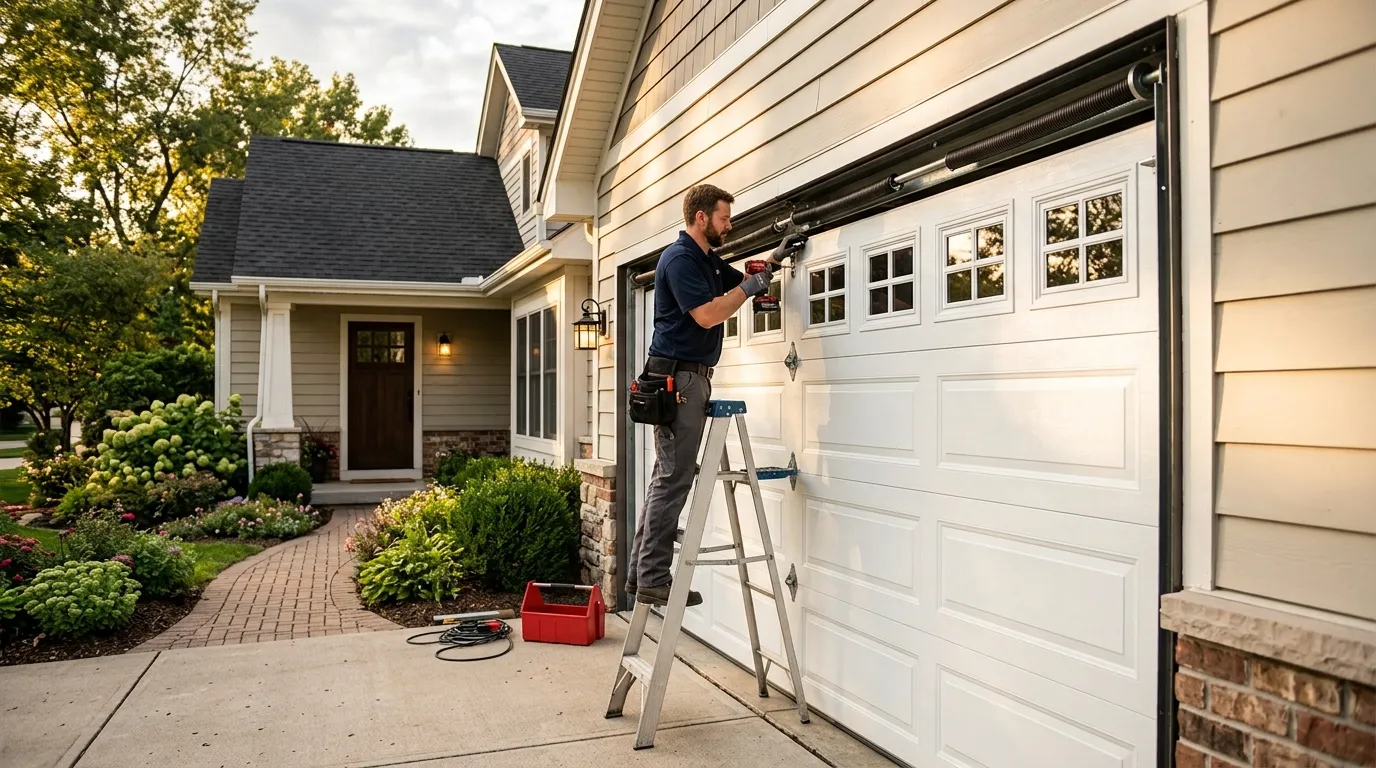
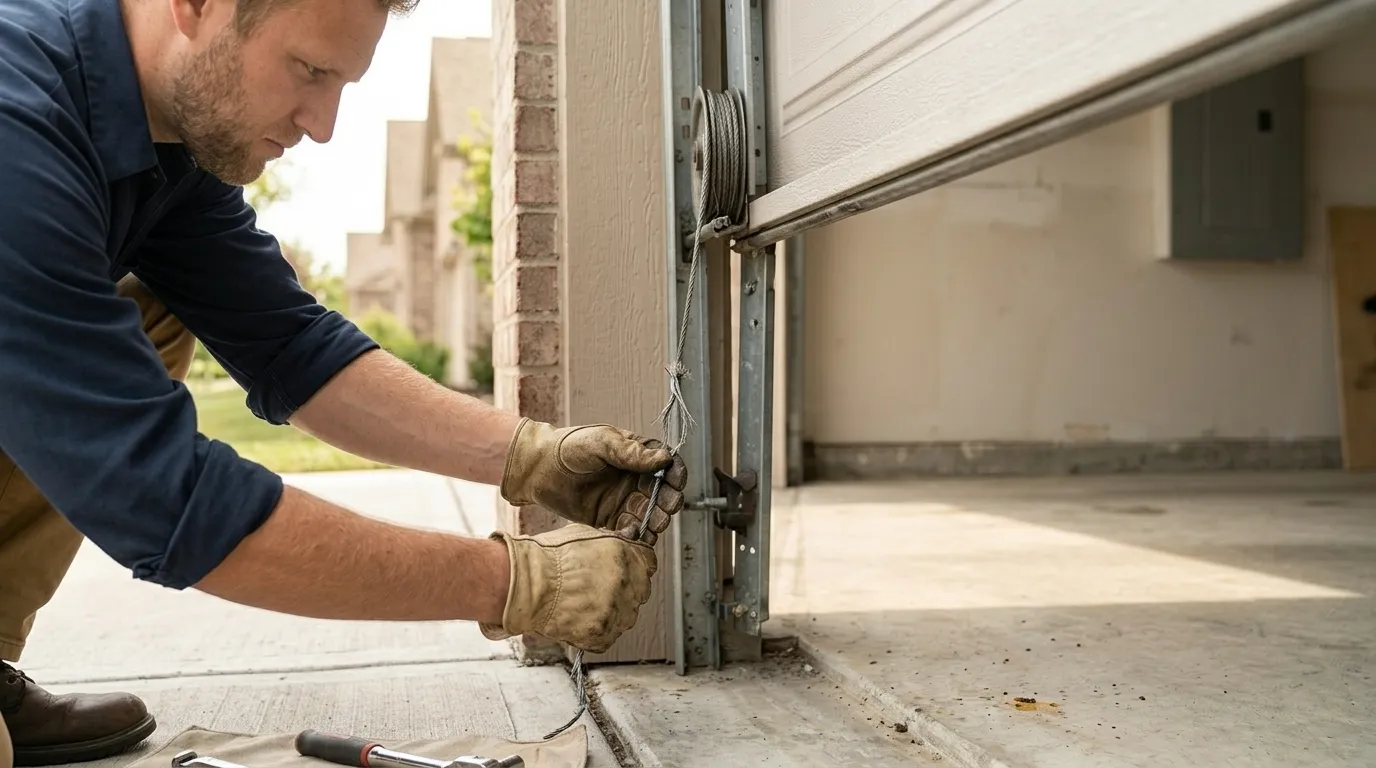
Because most commercial doors in this market trace back to the same building boom - 1965 through 2012, median around 1994 - we stock torsion springs, standard rollers, and cable sized for that generation of sectional steel door, along with the common chain and belt-drive opener parts that fail on heavy-cycle commercial units. What we don't stock, and won't pretend to have on the truck, is hardware for custom architectural doors or high-cycle industrial units outside the standard commercial range - those parts get ordered and that adds lead time. If your building falls into that category, we'll tell you upfront instead of making you wait on a truck roll that won't solve it. For most standard commercial bays in this area, though, we're carrying the parts that actually fail.