What It Costs
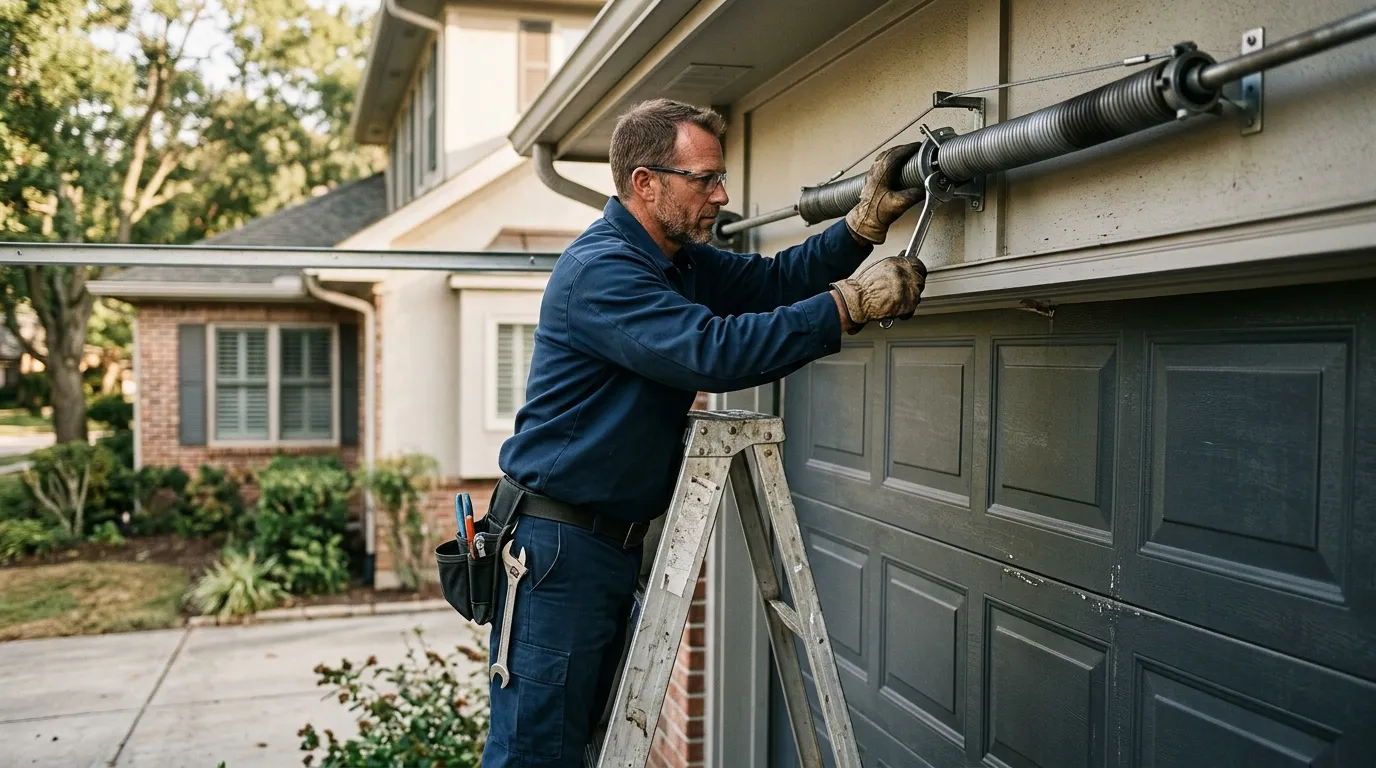
We don't post a flat number for roller replacement here because the job changes with what's on your track. A full set of nylon rollers on a standard double door is a different job than swapping steel rollers on an older single door, and stem length, bearing type, and how many rollers have actually failed versus just worn all move the number. What we can tell you is what drives the cost up: a bent track that needs straightening or replacing alongside the rollers, a roller that's seized and chewed up the track rail, or a door where one bad roller is really a symptom of a sagging panel. If you want an exact price, that comes from a look at your door, not a guess over the phone. We'll tell you on the truck before we touch anything, and if the rollers turn out to be the least of your problems, we'll say so instead of running up a bill on parts that won't fix the real issue.
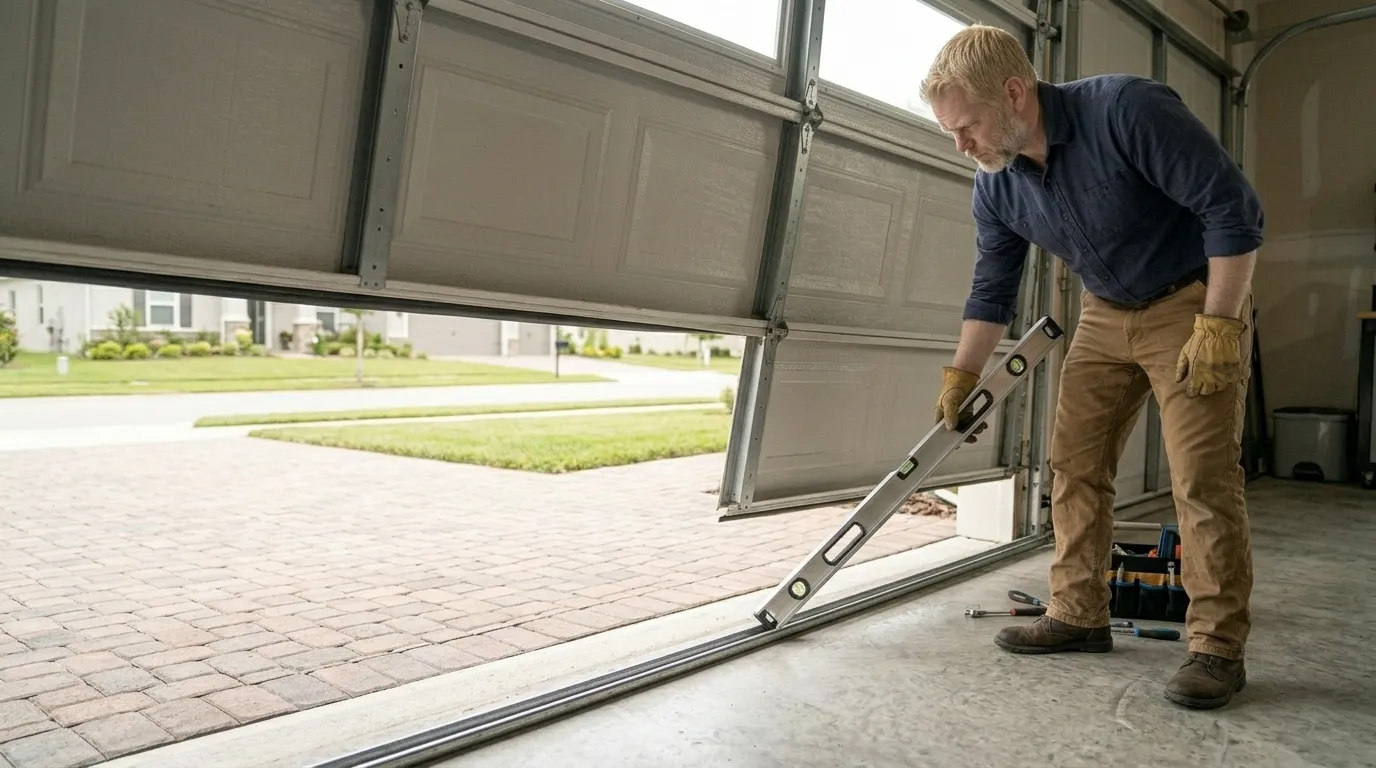
One honest limit: if your track is bent badly enough, or the door itself has racked out of square, rollers alone won't quiet it down. At that point we're talking track work or a door assessment, not just a roller swap.
Why This Fails Locally
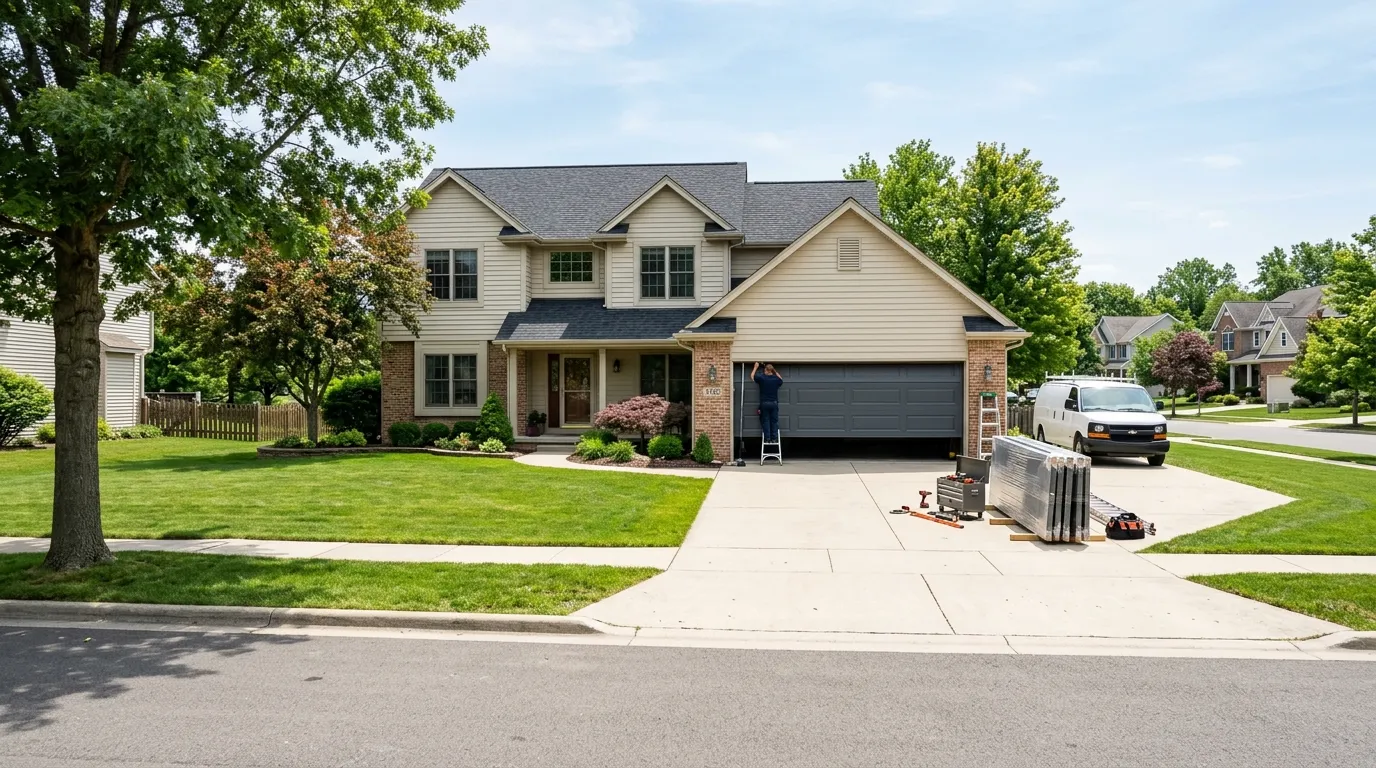
Most of the houses we work on across this service area went up between 1965 and 2012, with the bulk of the stock dating to the 1980s and 90s across the seven main areas we cover. That means a huge share of doors out there are original steel-roller setups from a build era before nylon rollers were standard equipment, or early nylon rollers with stamped-steel stems that were never built to last three decades. Add the climate - we're in a cold-moderate band with real winter swings - and you get steel bearings that gum up and crack in temperature changes year after year. A roller that would last indefinitely in a mild, dry climate works harder here every time the temperature drops overnight and warms back up by afternoon. Across 20,058 households and roughly 13,623 owner-occupied houses in the service area, that's a lot of doors built in the same twenty-year window, aging out on the same hardware at close to the same rate. This isn't a one-house problem - it's a housing-stock problem, and it's why roller calls cluster the way they do.
Parts We Carry
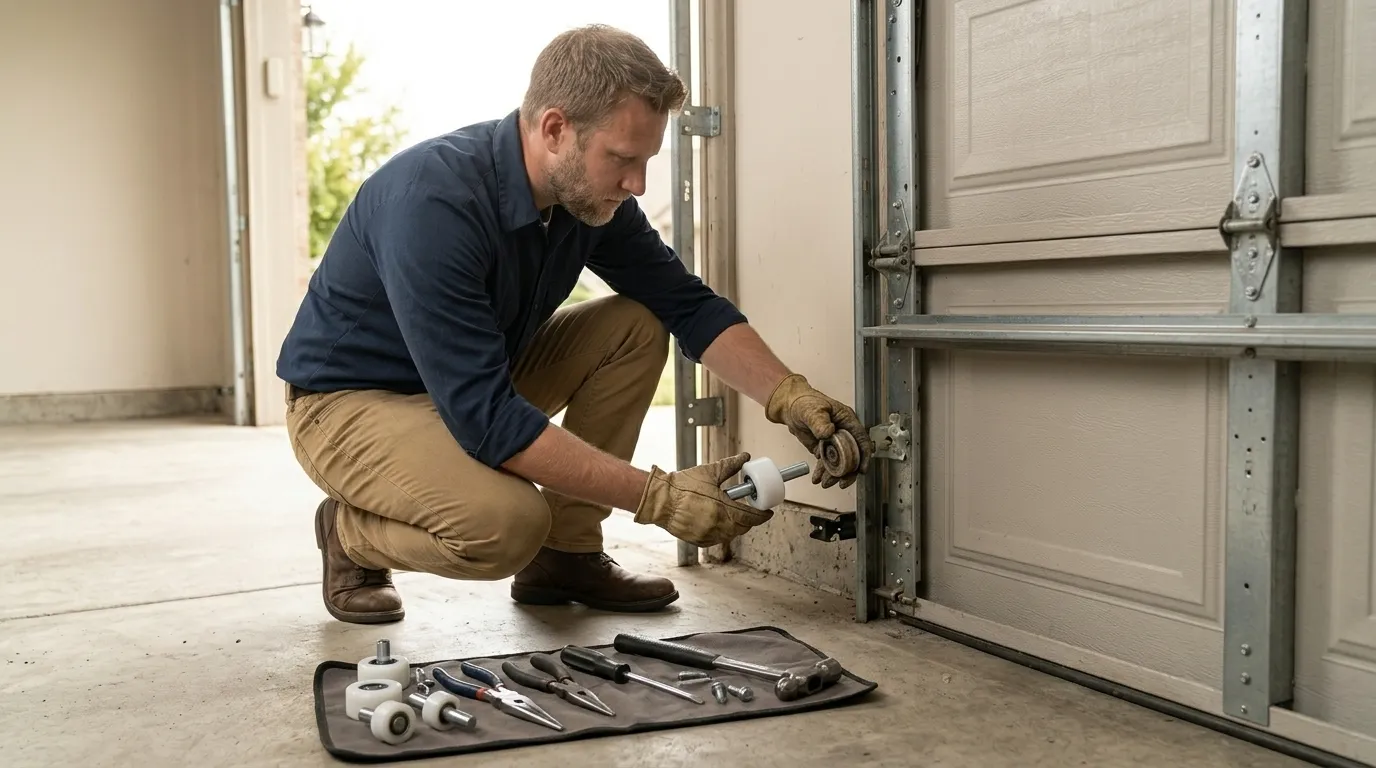
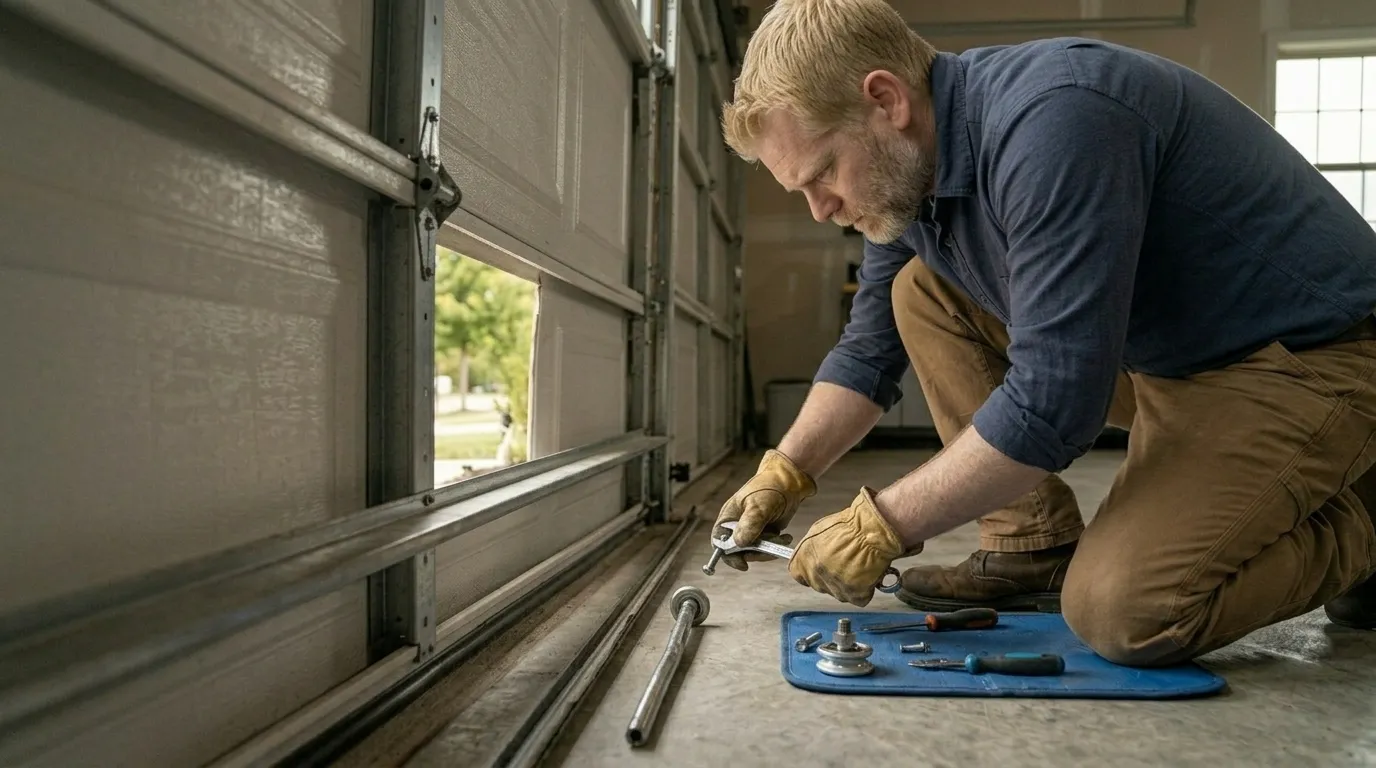
We stock nylon rollers in the stem lengths that fit the door builds common to this area's housing stock - short-stem for tighter jamb clearances, standard-stem for the rest. We carry sealed-bearing rollers as the upgrade option for anyone tired of replacing the same steel rollers every few winters; the sealed bearing keeps grease in and grit out, which matters more here given the cold-moderate swings we get. We also keep basic track hardware on the truck - brackets, hinges, the small parts that usually fail alongside a bad roller - because showing up with rollers and nothing else means a second trip on half these jobs. What we don't stock is every stem length and bracket variant out there; if your door has an unusual roller carrier or a custom track setup, that may mean a short parts wait rather than a same-visit fix. We'd rather tell you that up front than promise a part we don't have on the truck.