What It Costs
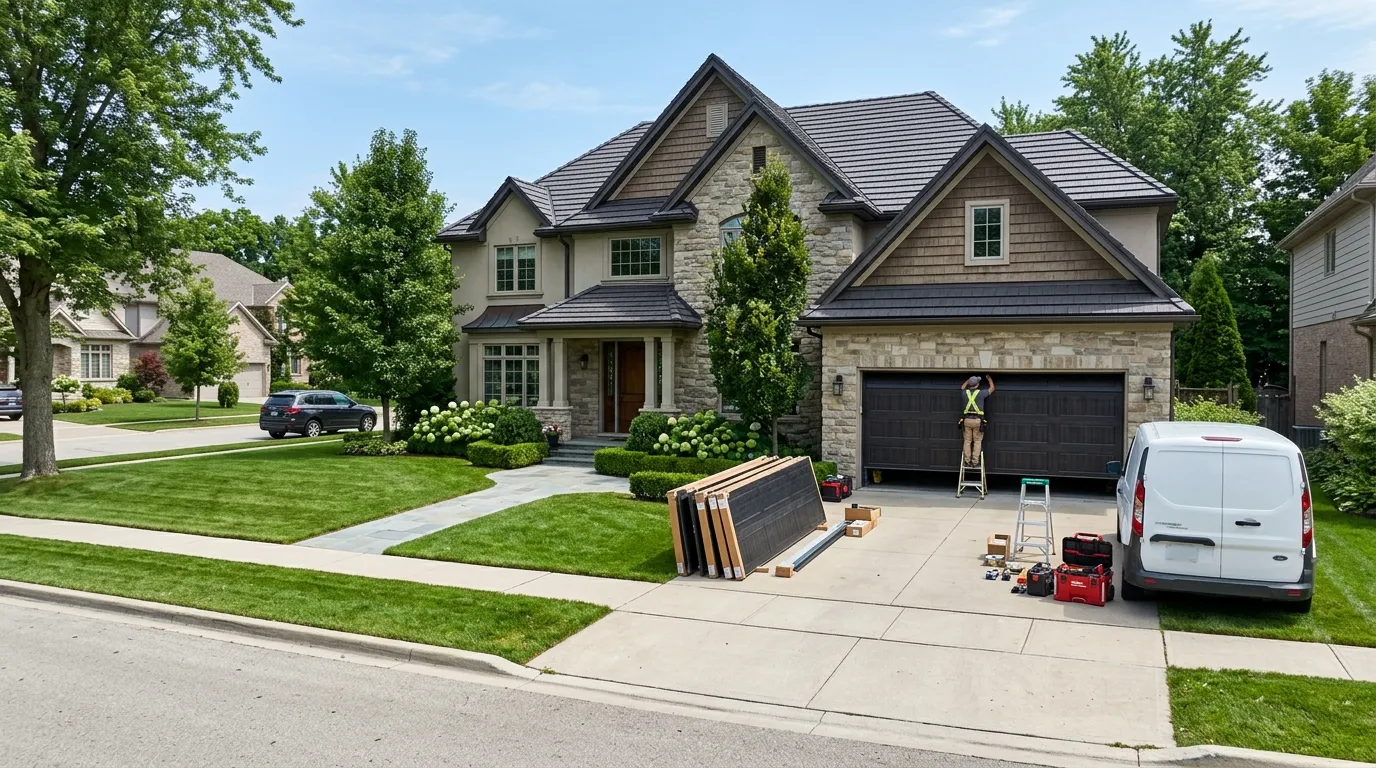
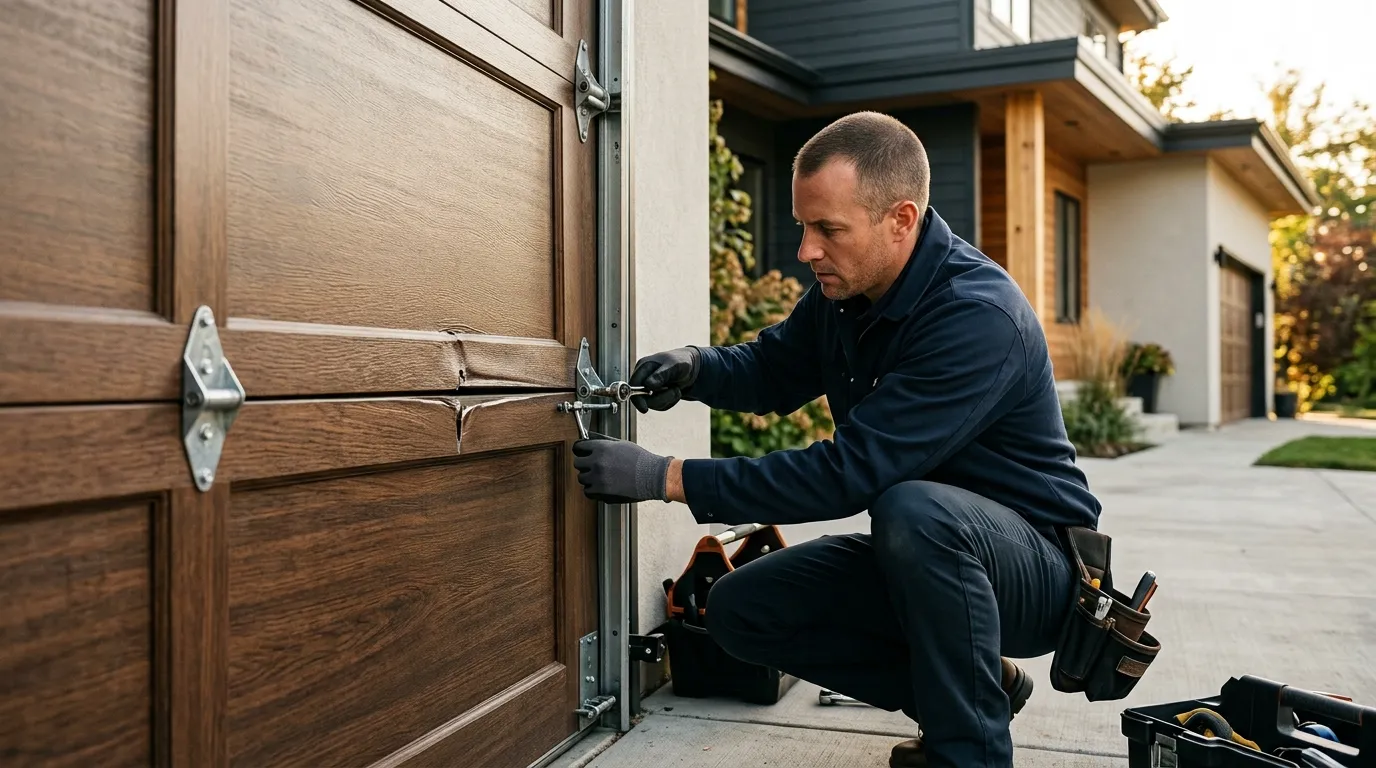
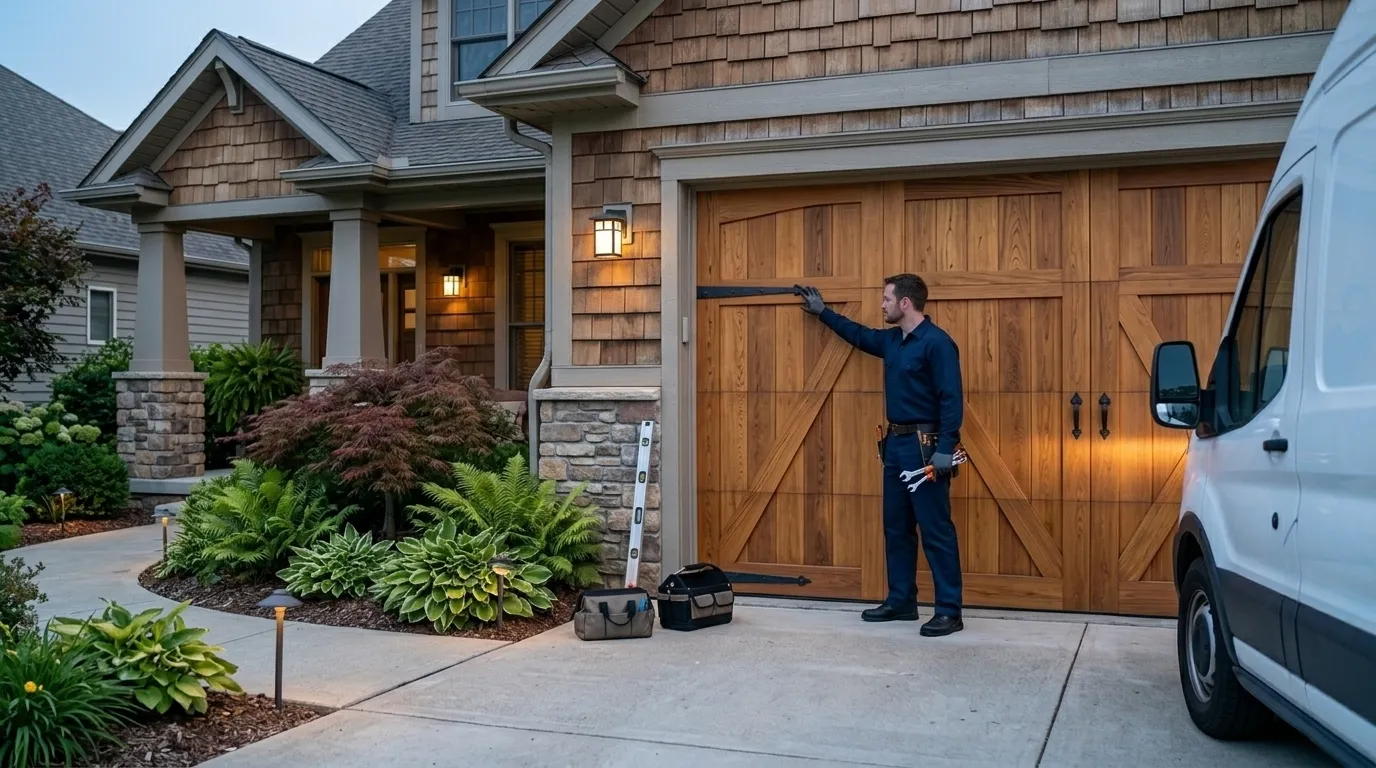
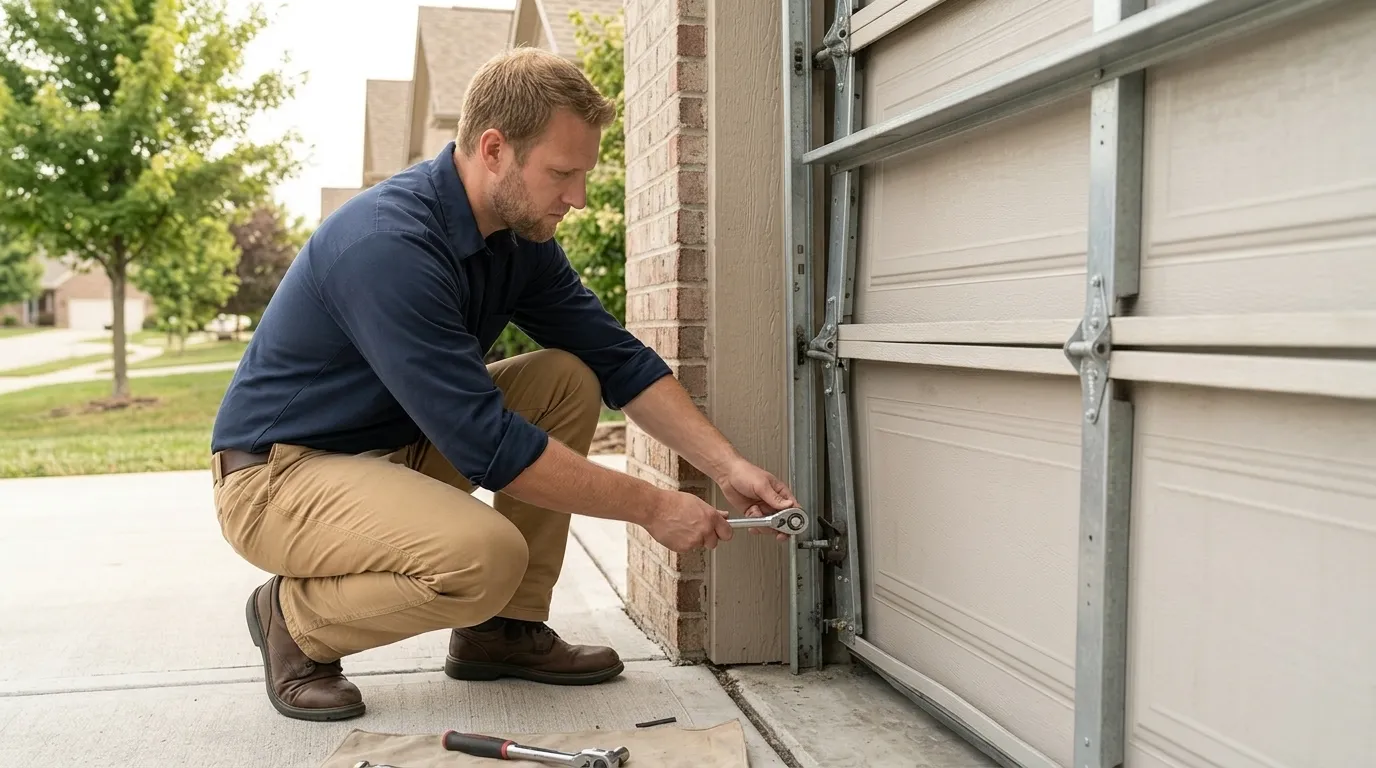
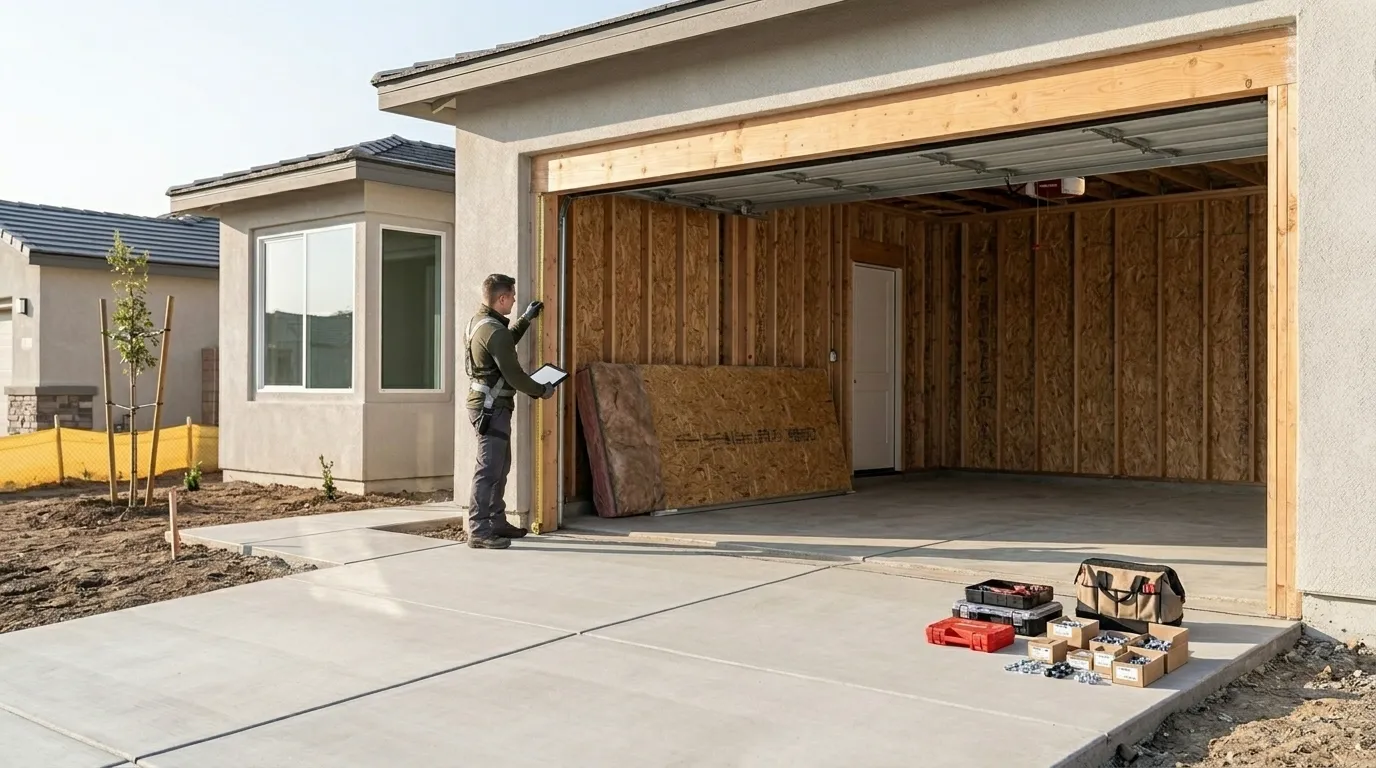
We don't post a flat number here because a broken spring on a single door and a snapped cable on a double door with a bent track are two different jobs. What we can tell you is what drives the cost up or down: whether the opener is original to the house or already swapped, whether the track is bent enough to need replacement instead of a re-align, and whether the panel damage is cosmetic or structural. Houses in this service area were mostly built between 1965 and 2012, with a lot of the stock going up in the 1980s and 90s, so a large share of the doors and openers we open a call ticket on are original equipment nearing or past their expected life. That matters for cost because original hardware from that era often doesn't match what's on the truck stock today - sourcing a matching torsion spring or an obsolete drum can add a day versus a repair on a newer standard door. We quote on site once we've had eyes on the specific door, not over the phone, because guessing a price sight-unseen is how homeowners get surprised at the end of a job.
Why This Fails Locally
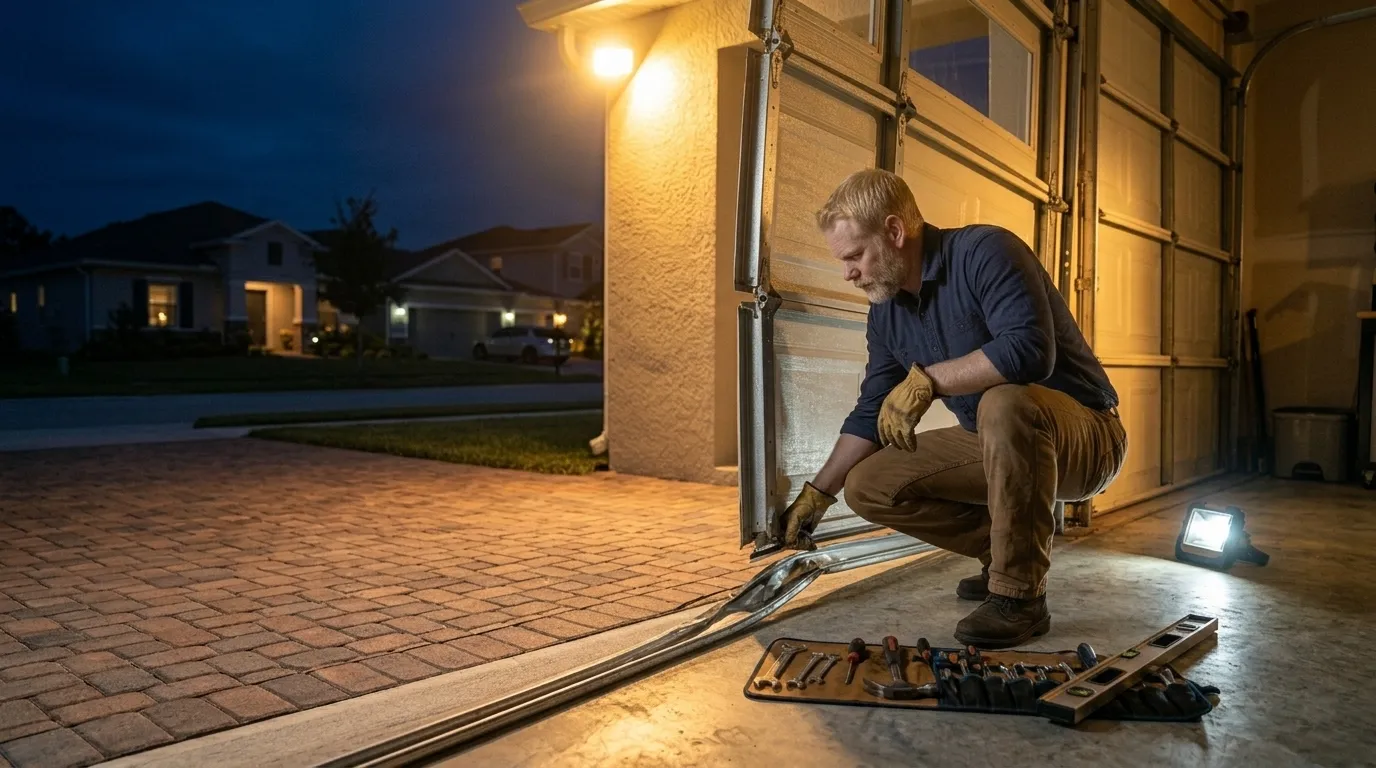
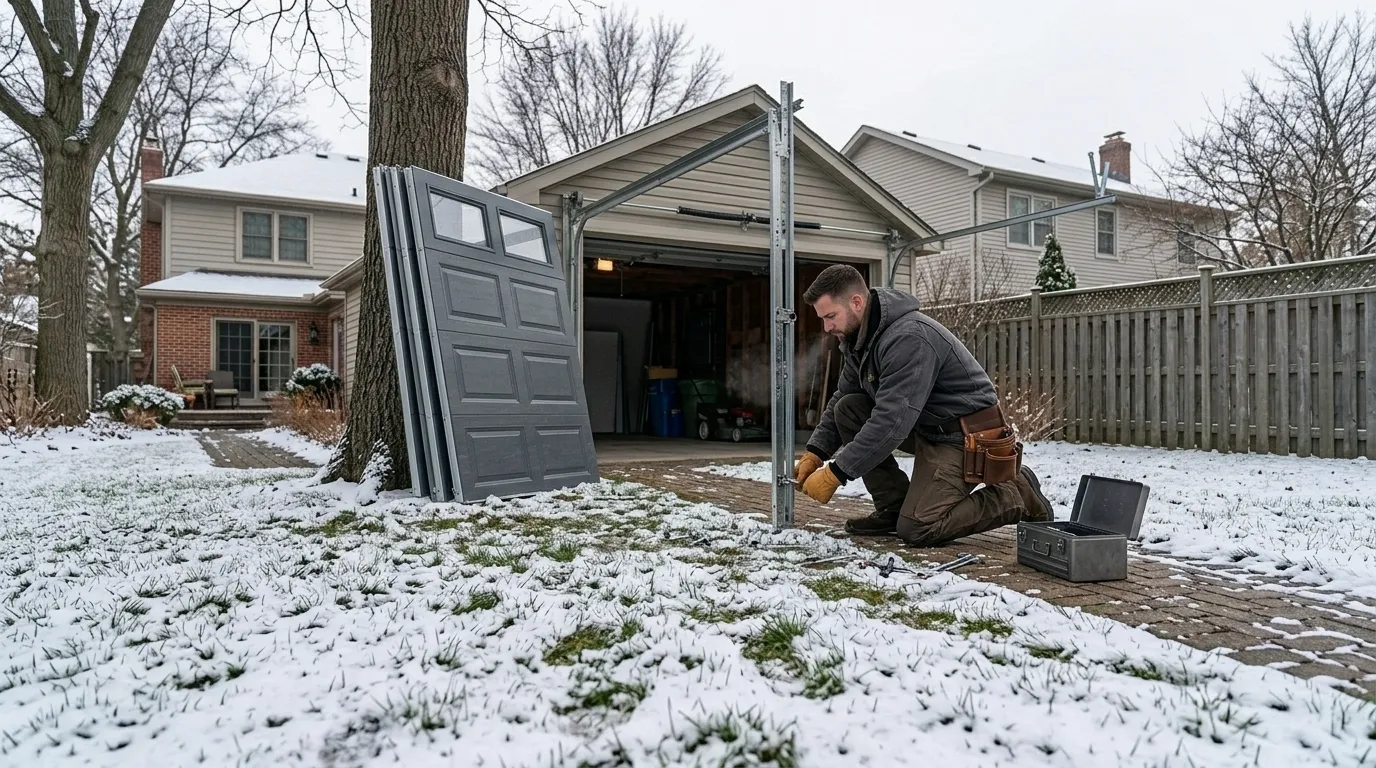
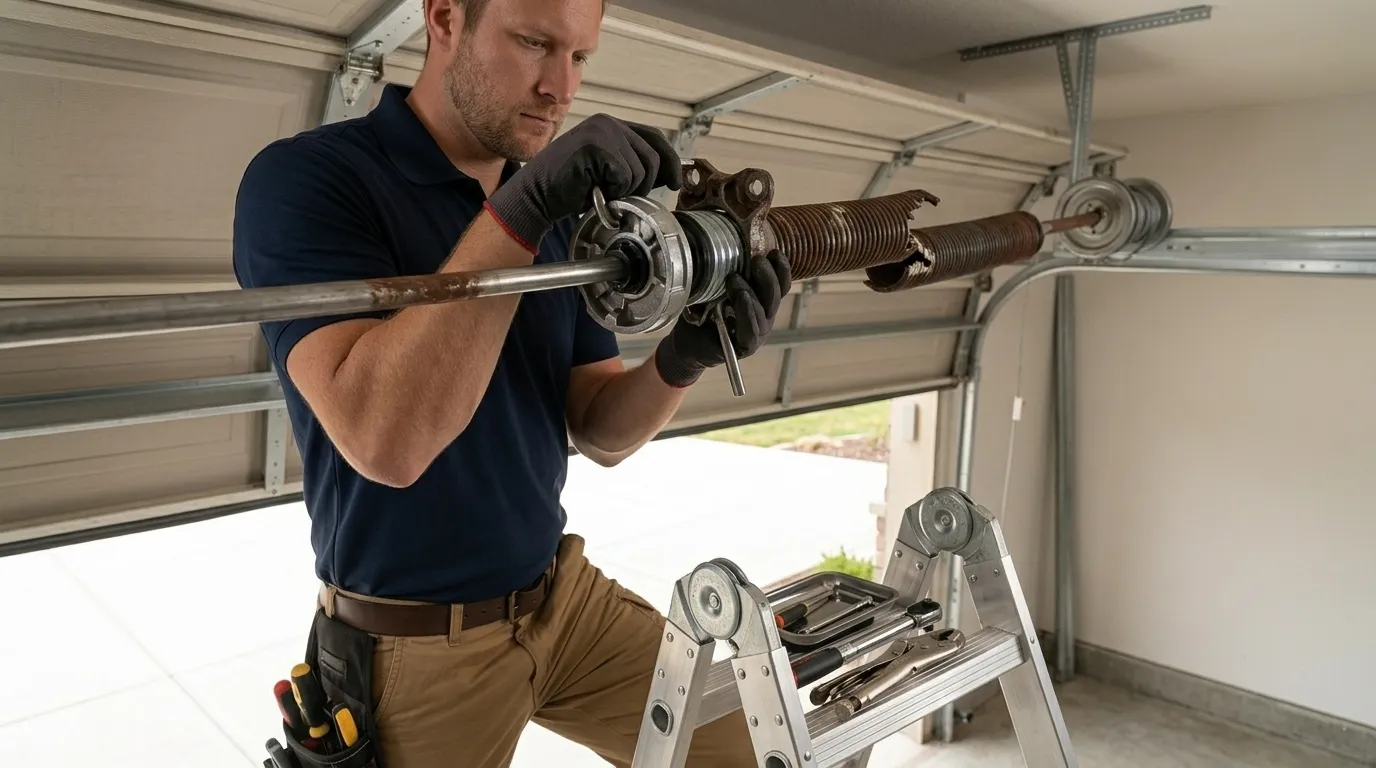
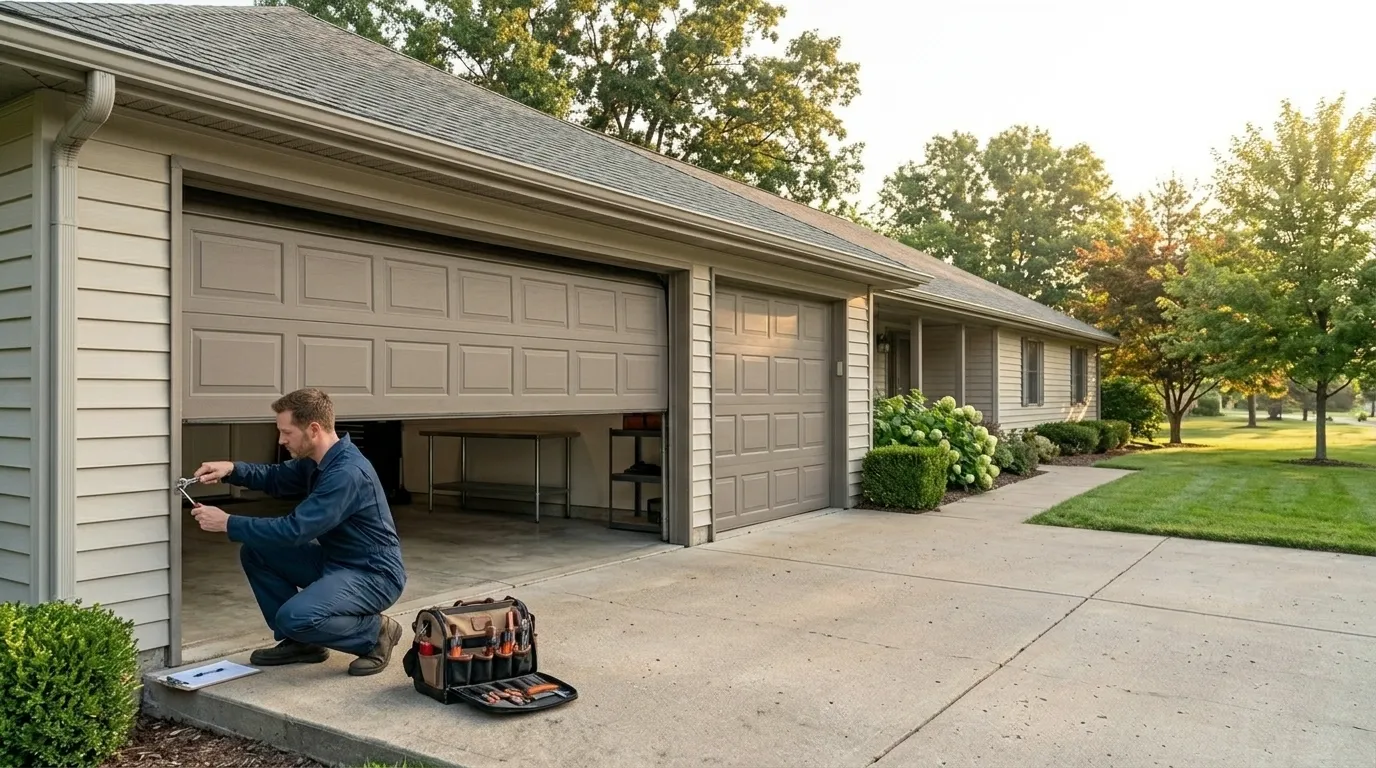
This area sits in a cold-moderate climate band, and that swing matters more to a garage door than most homeowners expect. Steel torsion springs lose a small amount of tension every winter as cold makes the coil stiffer and metal fatigue accelerates with temperature cycling, then summer humidity works on any exposed cable strand that's already nicked. Put that climate cycle against housing stock that's mostly 1980s-90s build across the named areas we work, and you get a lot of doors running original springs and cables that have been through 30-plus winter-summer cycles without ever being swapped. A spring rated for a certain door weight doesn't fail gradually and give warning - it fails at the coil, all at once, usually on the coldest morning of the week when the steel is least forgiving. Newer builds in the service area, closer to 2012, tend to have galvanized cable and dual springs as standard, which is part of why the emergency calls skew heavier toward the older third of the housing stock than the newer third.
Parts We Carry
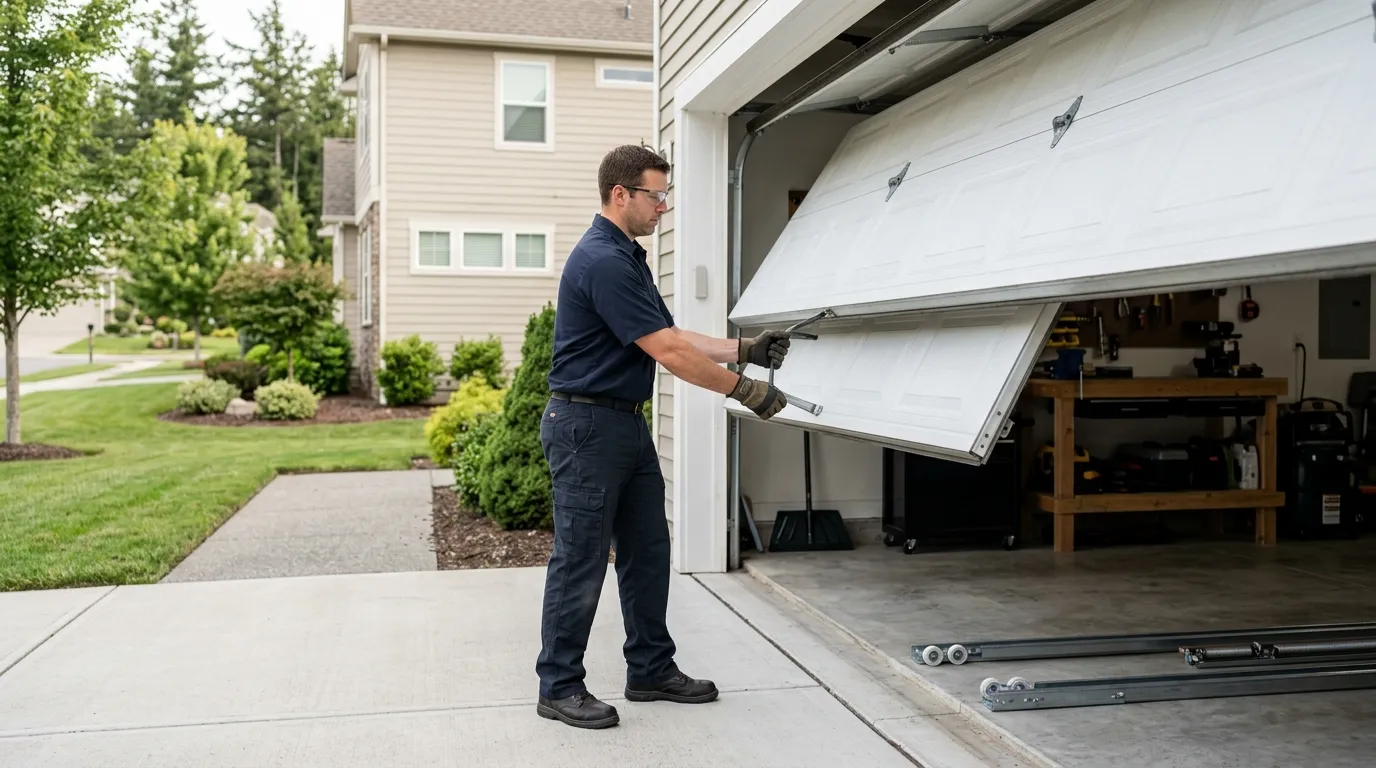
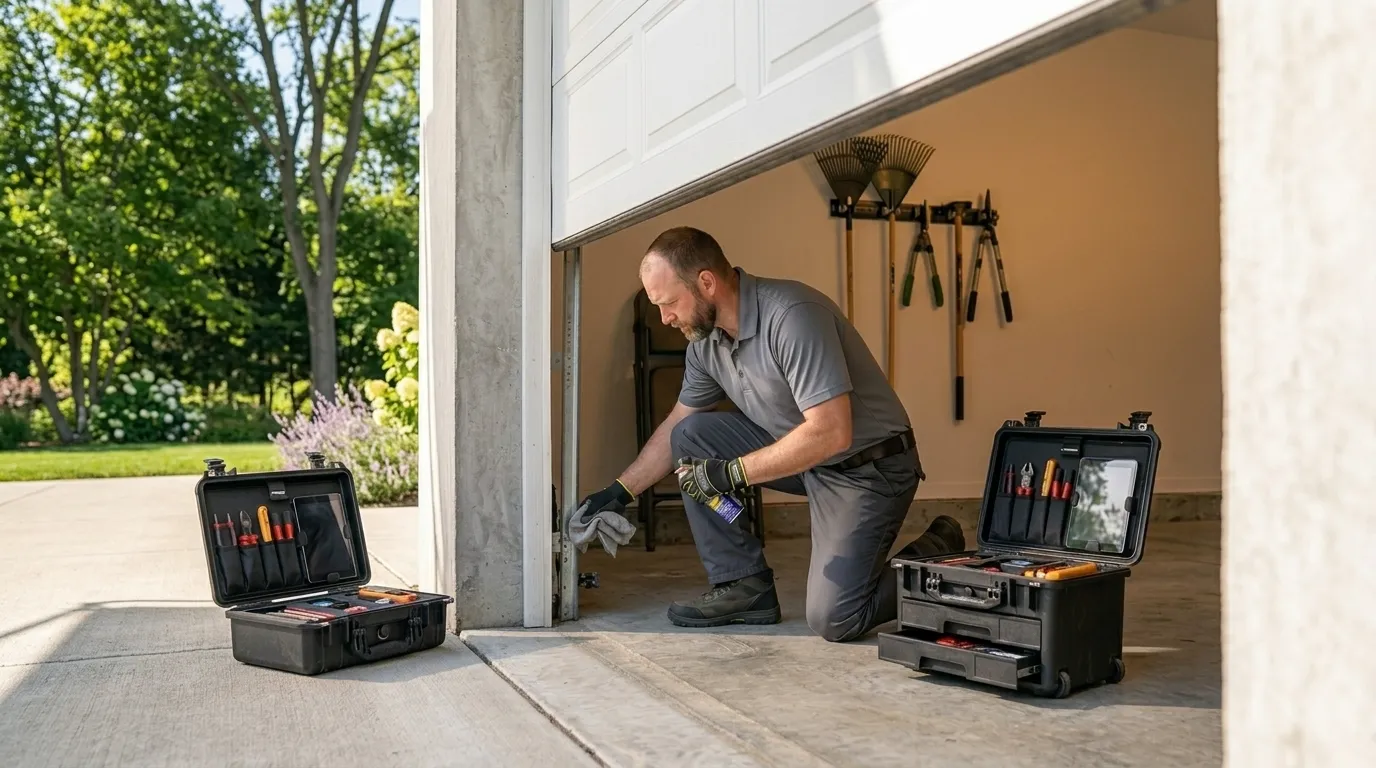
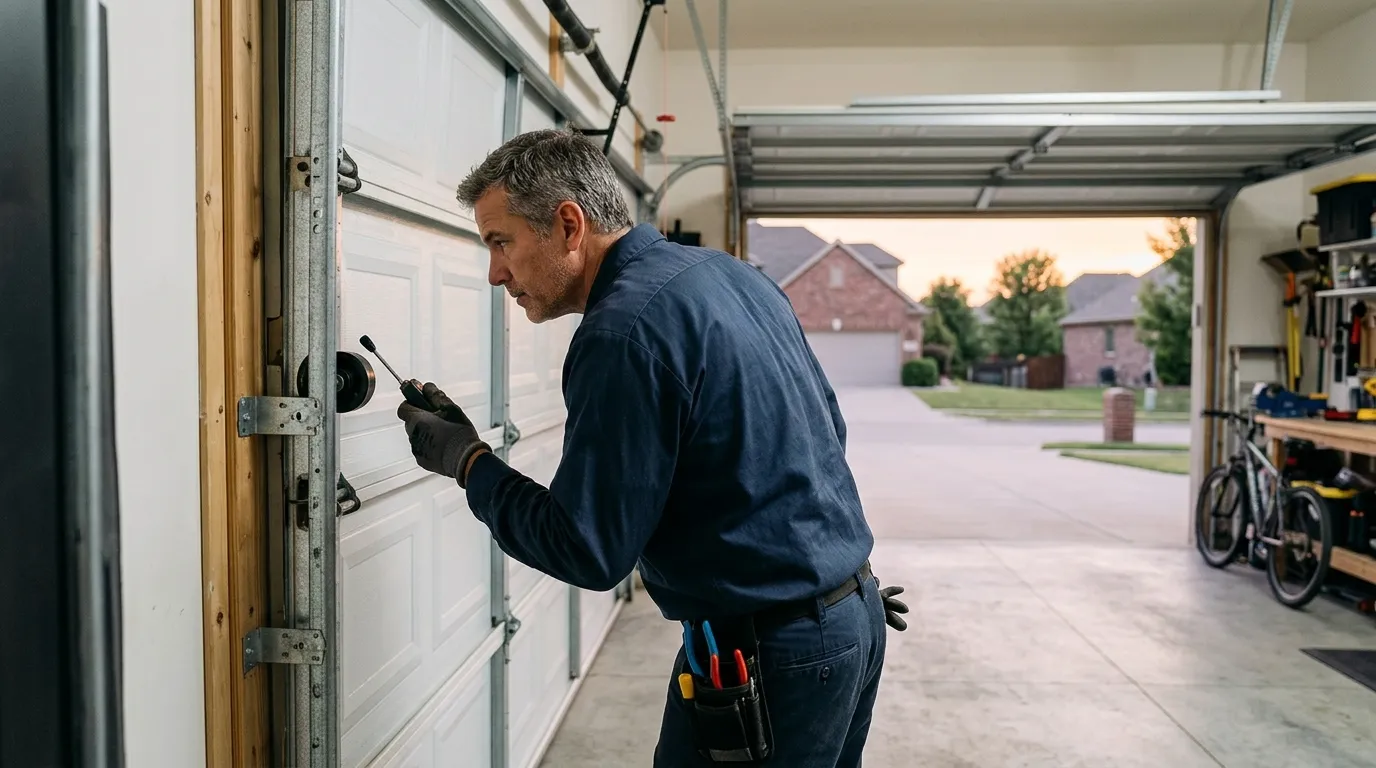
We stock the torsion springs, cables, rollers, and hinges that fit the standard residential doors common across this service area's housing stock - the sizes and drum types that match doors built from the 80s through the 2000s. Where we run into trouble is original equipment from houses at the older end of that 1965-2012 window: some early torsion drums and a handful of opener models from that era aren't made anymore, and matching them means an order instead of a same-visit fix. When that happens we're honest about it on site rather than promising a part we don't have on the truck. For openers themselves, our emergency work is mostly diagnosis and swap of failed logic boards or motors on models still in production; anything genuinely discontinued gets a straight recommendation to replace rather than chase a part that may take a week to land.