The Complications
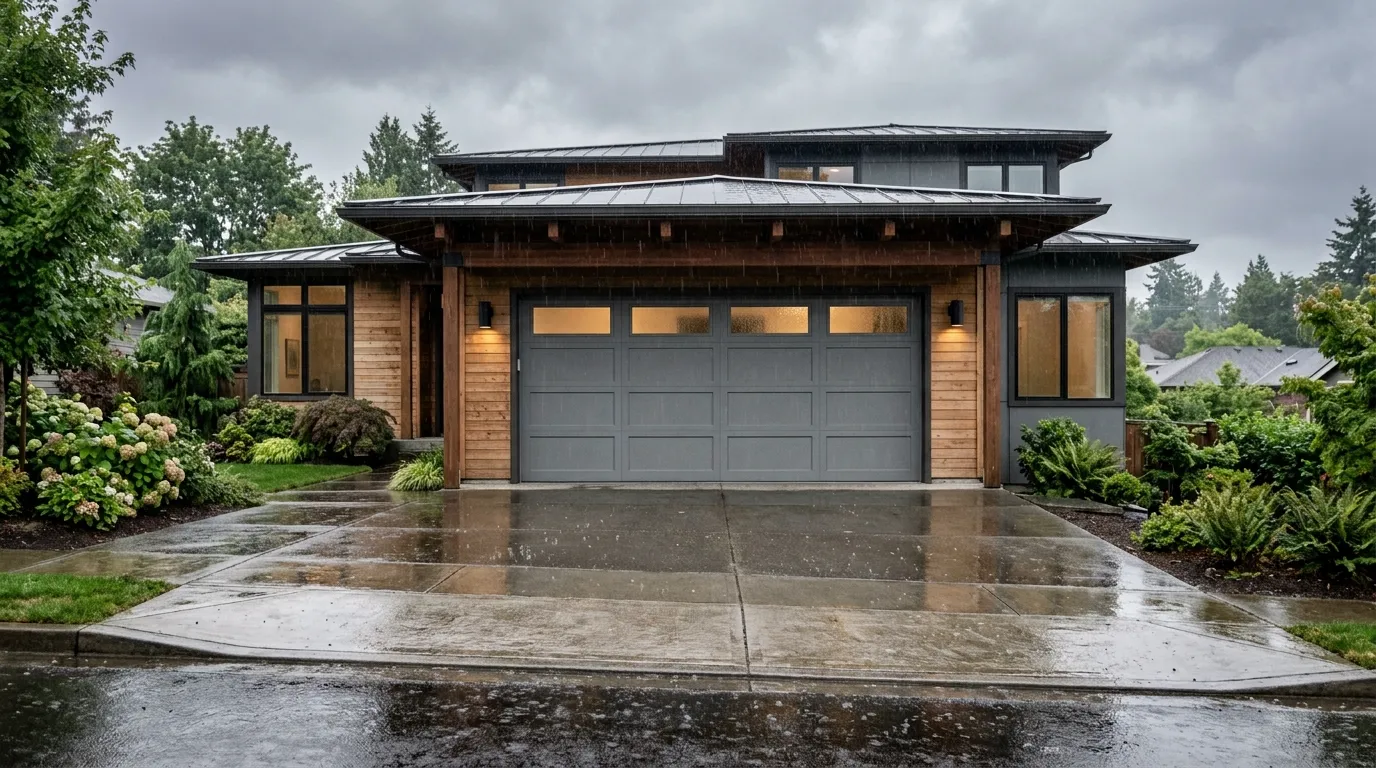
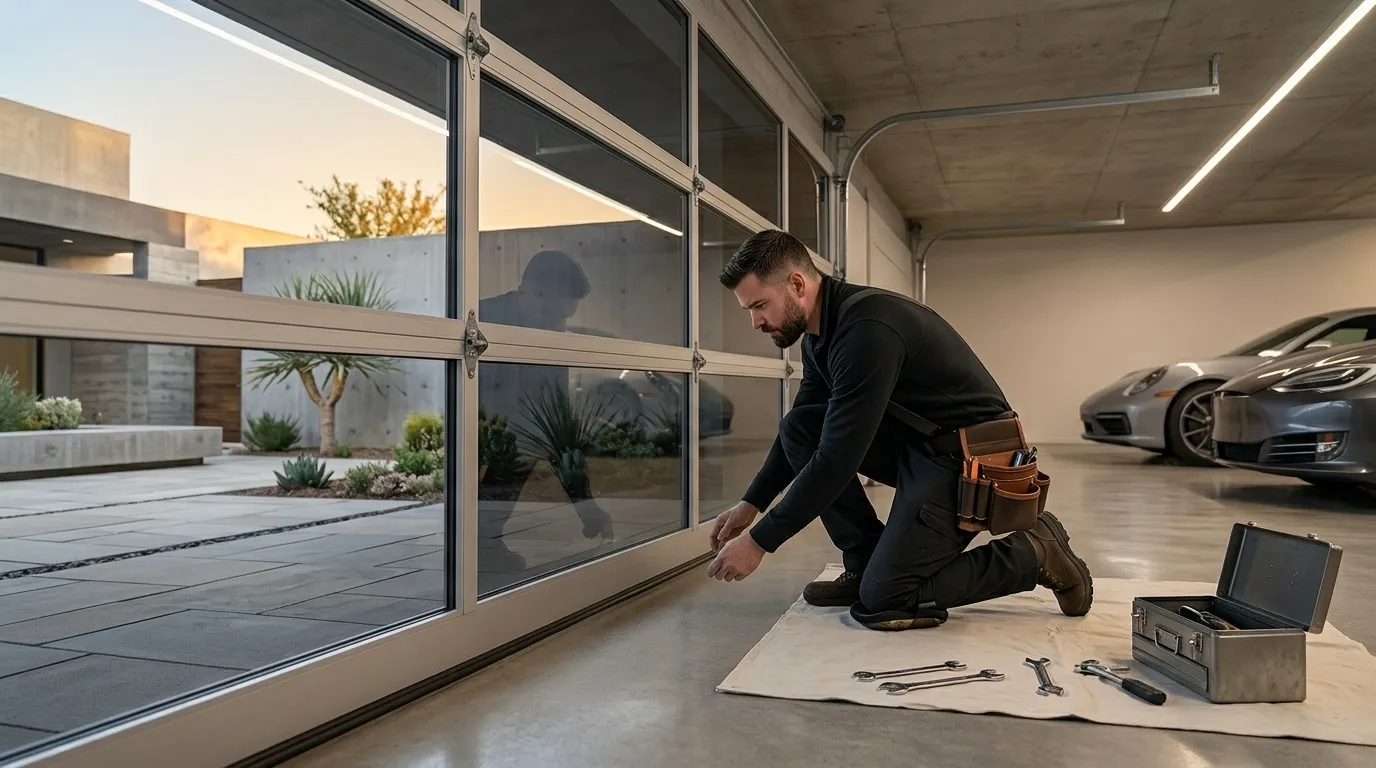
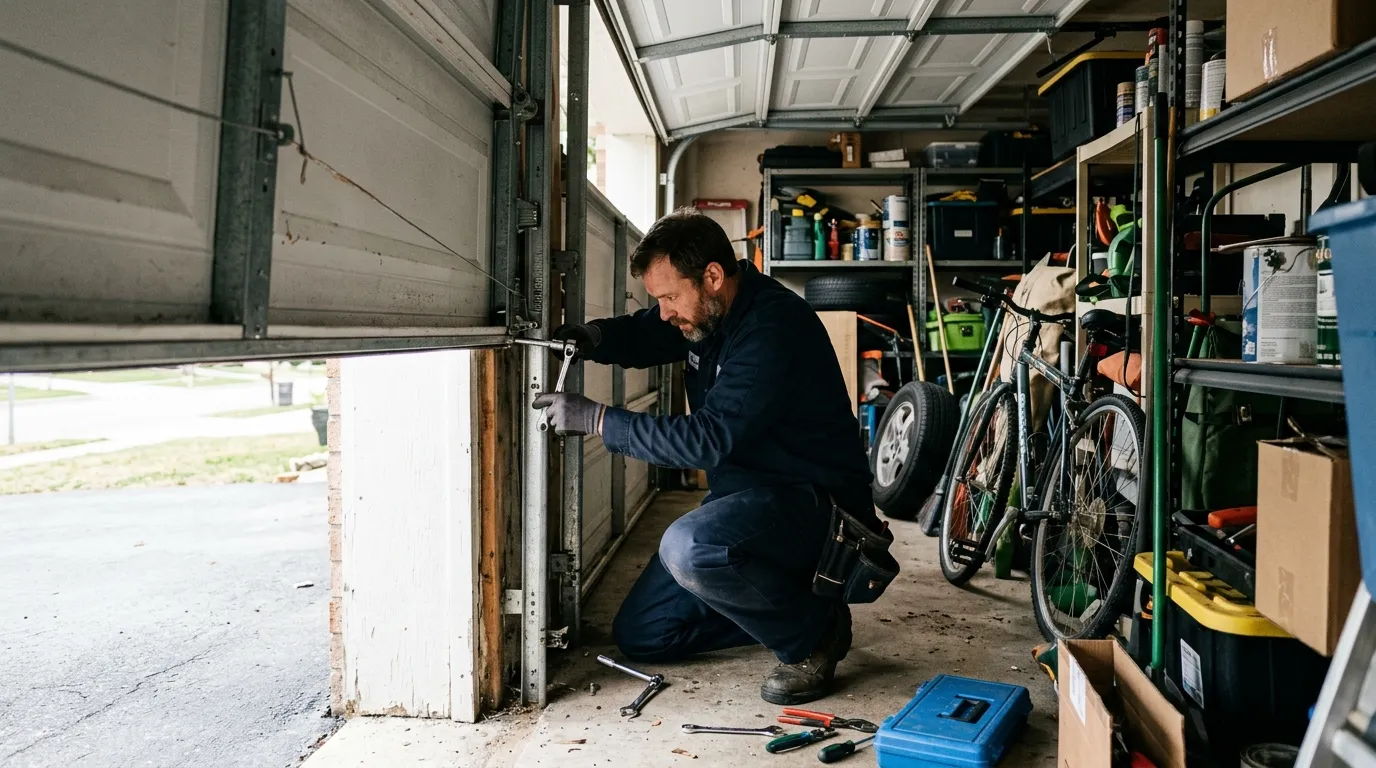
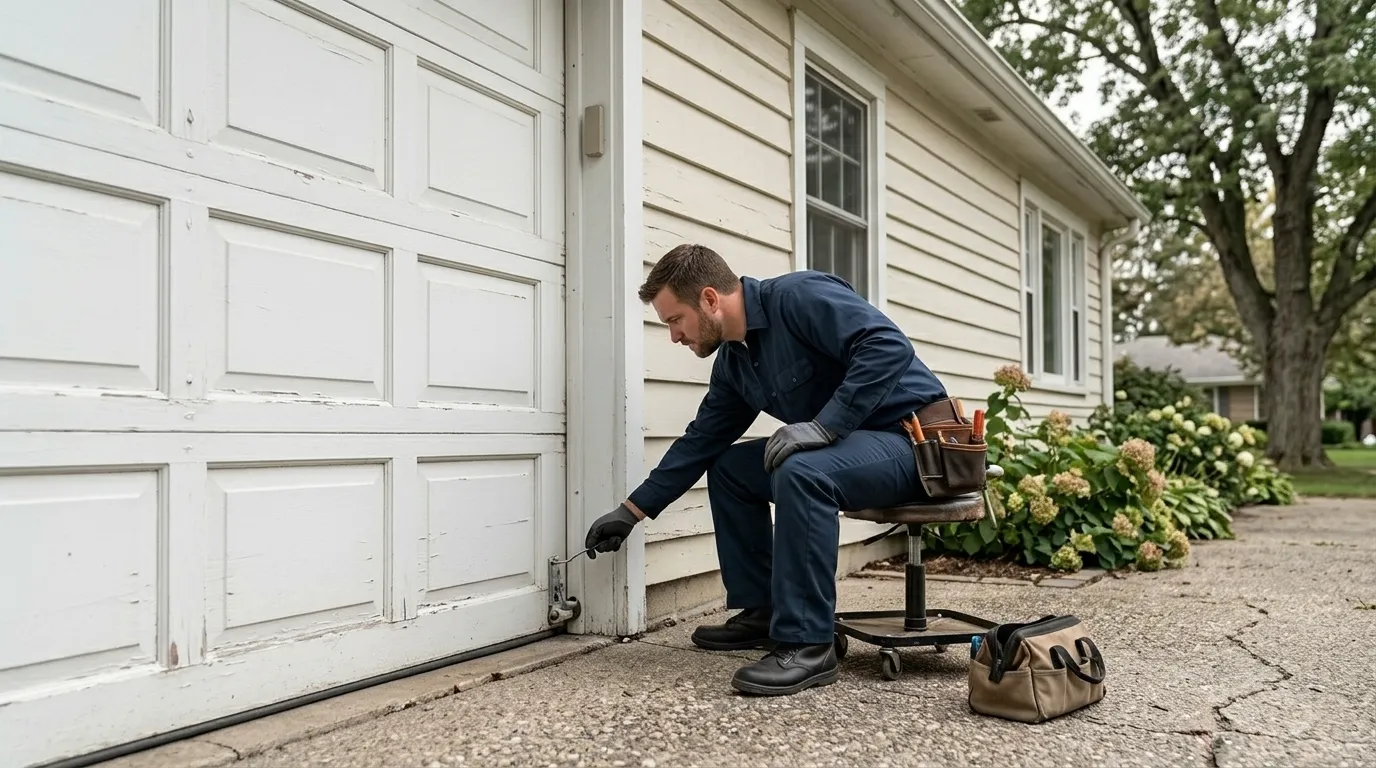
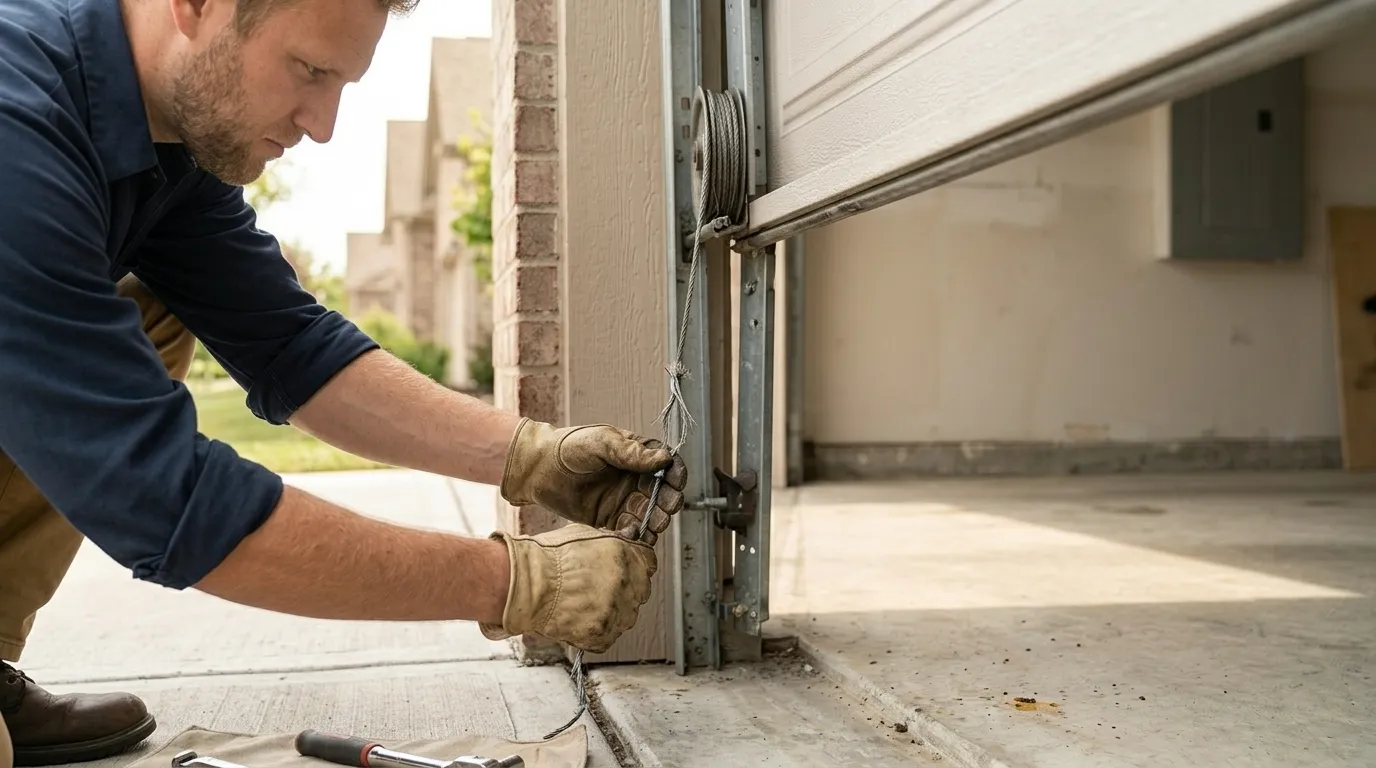
Most doors we work on in La Vergne are steel sectional units on extension or torsion springs, hung on a house built closer to 2000 than to the 1980s stock you'll find elsewhere in the area. That newer build date matters more than people think. A door from that era is usually a lighter-gauge steel panel, insulated, on a standard 7-foot opening, paired with a belt or chain-drive opener original to the house. The hardware is younger, but it's also cheaper stock than what went into homes built a decade or two earlier, and the rollers and cable ends on these doors tend to wear out on a schedule rather than fail all at once. The complication isn't age of the house so much as the fact that a door built to a 2000-era spec was engineered for cost, not for 20+ years of daily cycling. By the time an opener is running rough or a spring is straining audibly, the door has usually put in more open-close cycles than an older, heavier door built in a slower housing market. Track alignment on these lighter panels drifts sooner too, since the rail is thinner gauge. None of this is dramatic. It's the kind of wear that shows up as a slight shudder on the way up, a spring that looks fine but isn't, or an opener that strains on the last foot of travel.
How to Book
We run out of Murfreesboro, about 14 miles from La Vergne, and we book maintenance visits on the same truck schedule we use for the rest of the service area. Call or use the booking link below for La Vergne and we'll get a truck out. We don't keep a separate crew or depot in La Vergne - it's one company, one route, and the drive is part of the job, not a separate charge you need to negotiate.
How Long It Takes
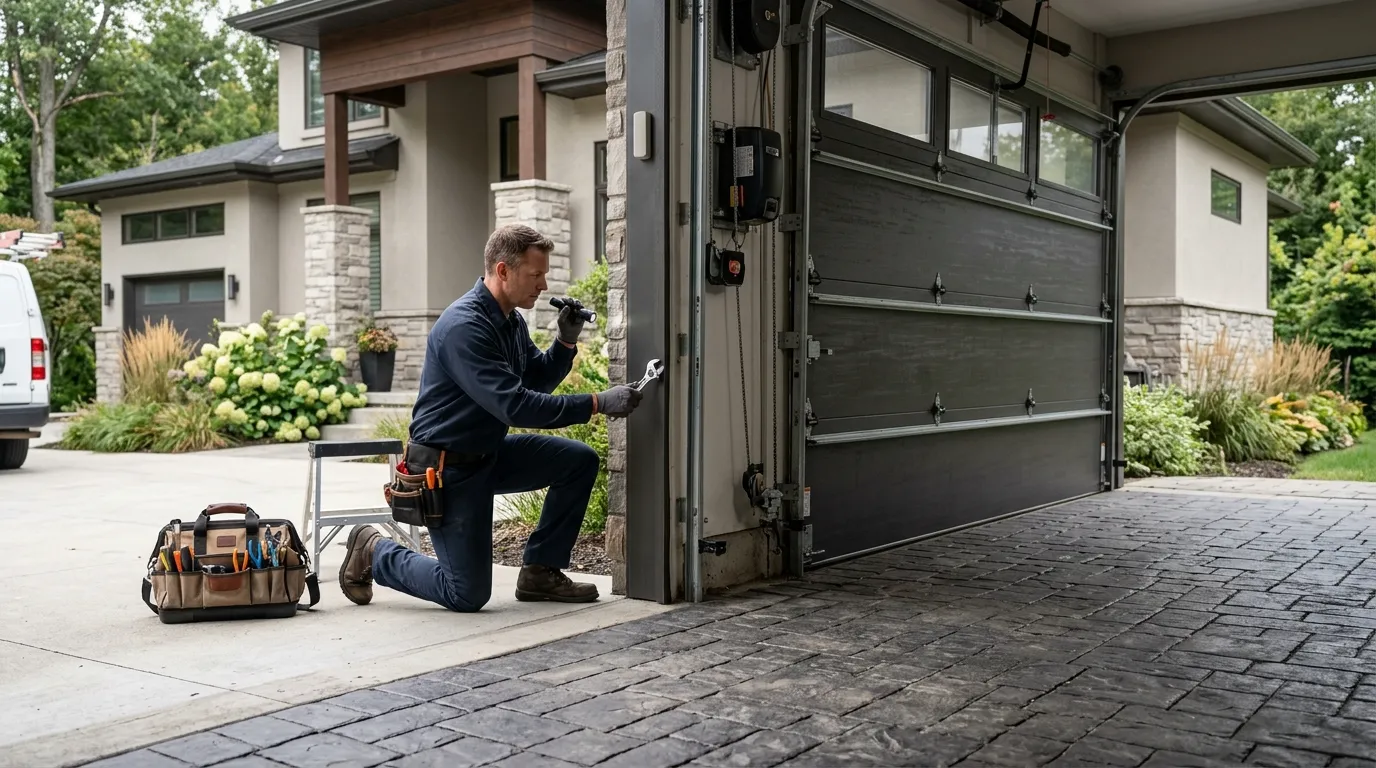
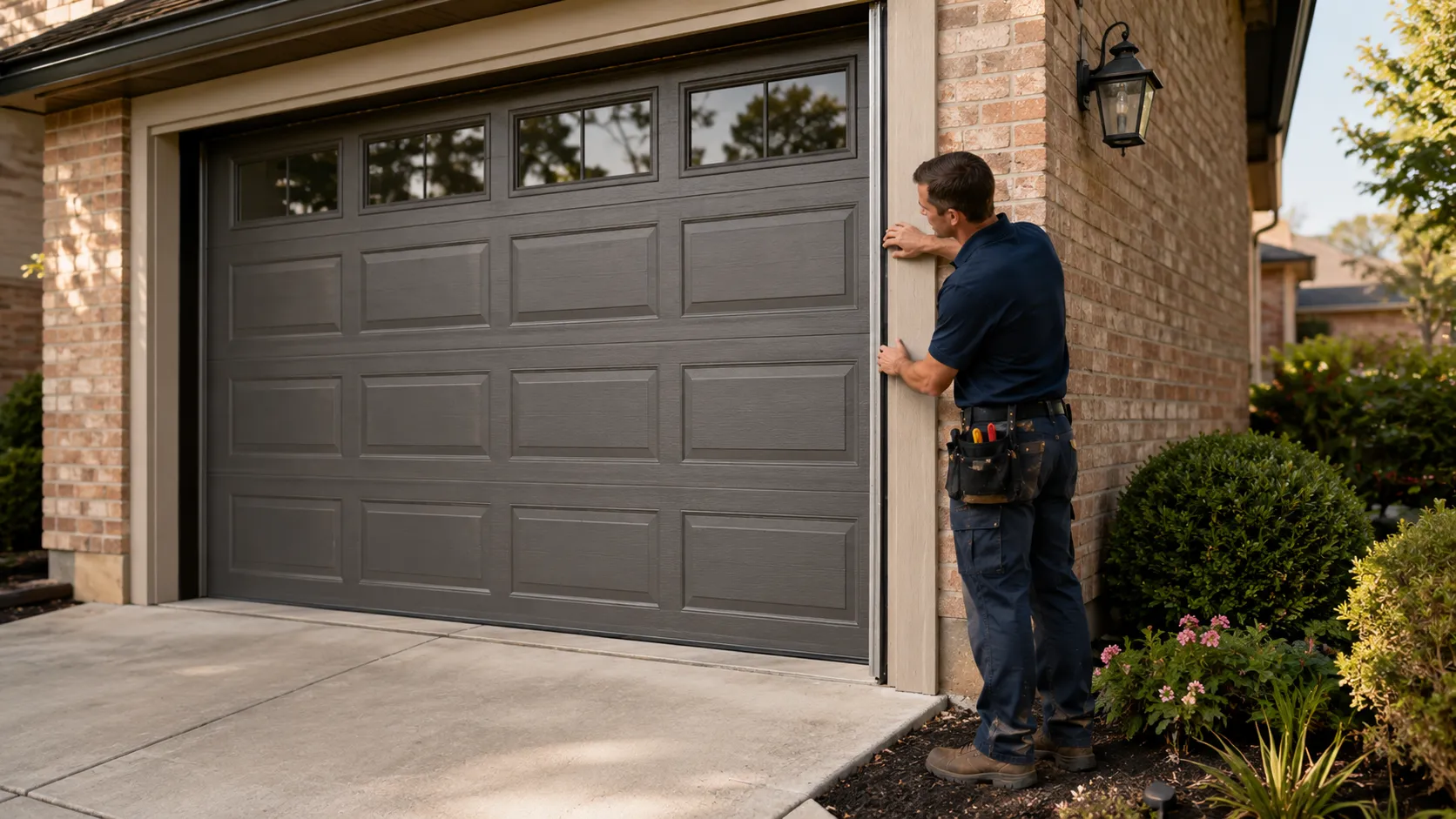
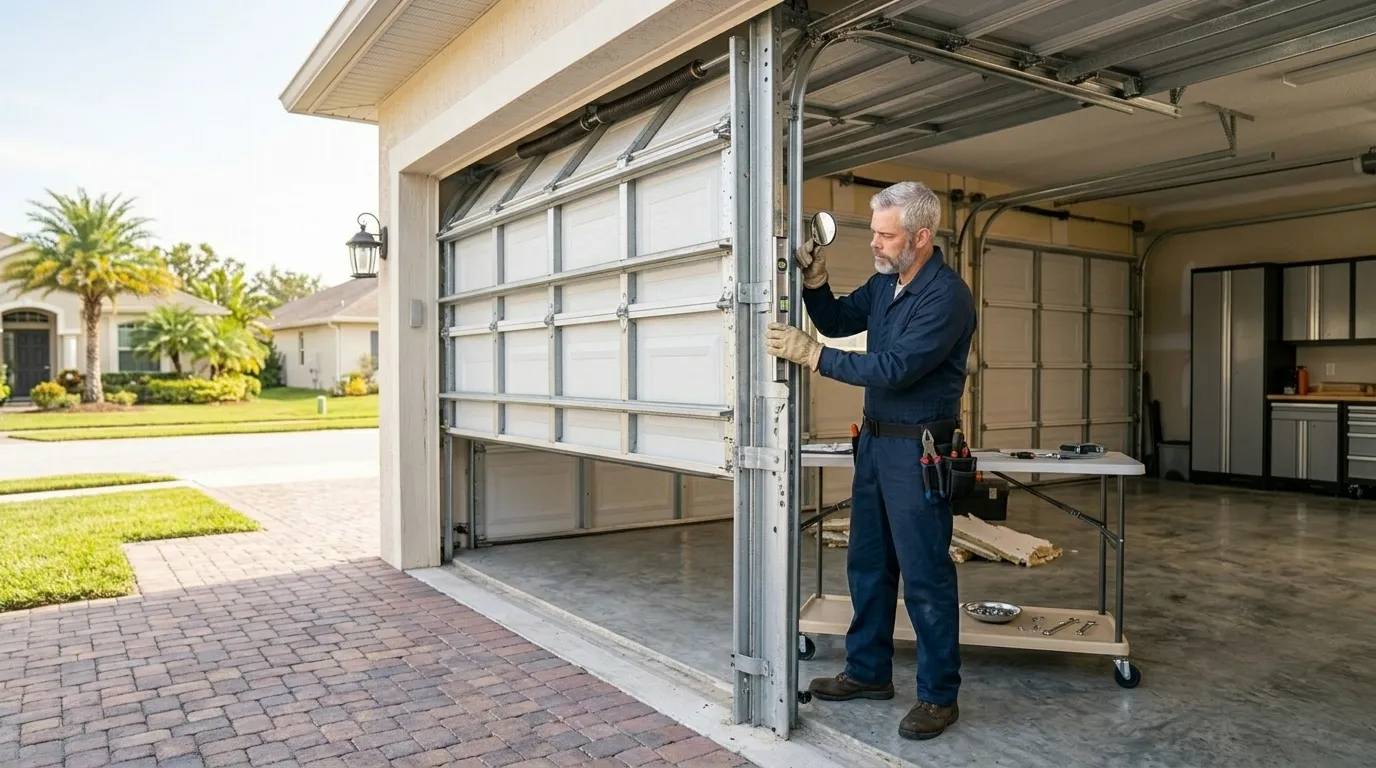
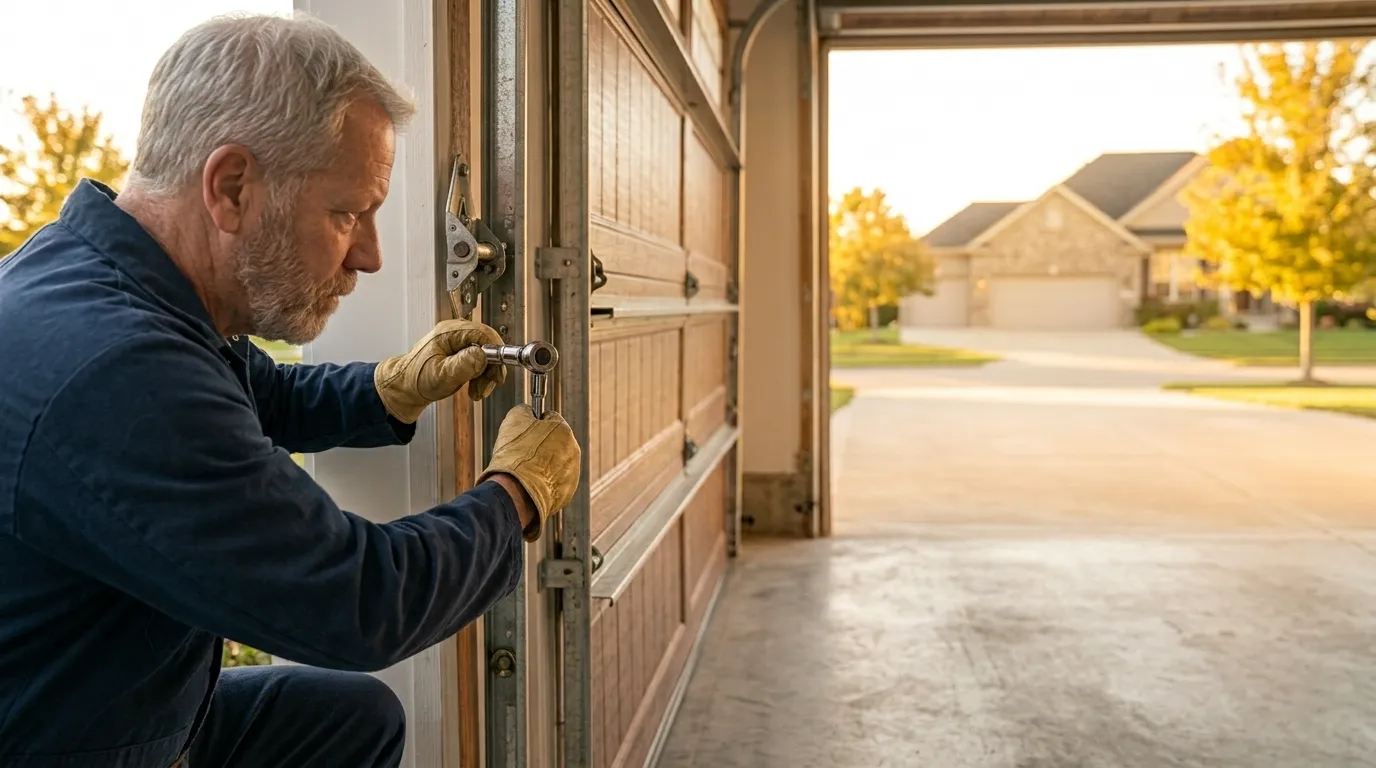
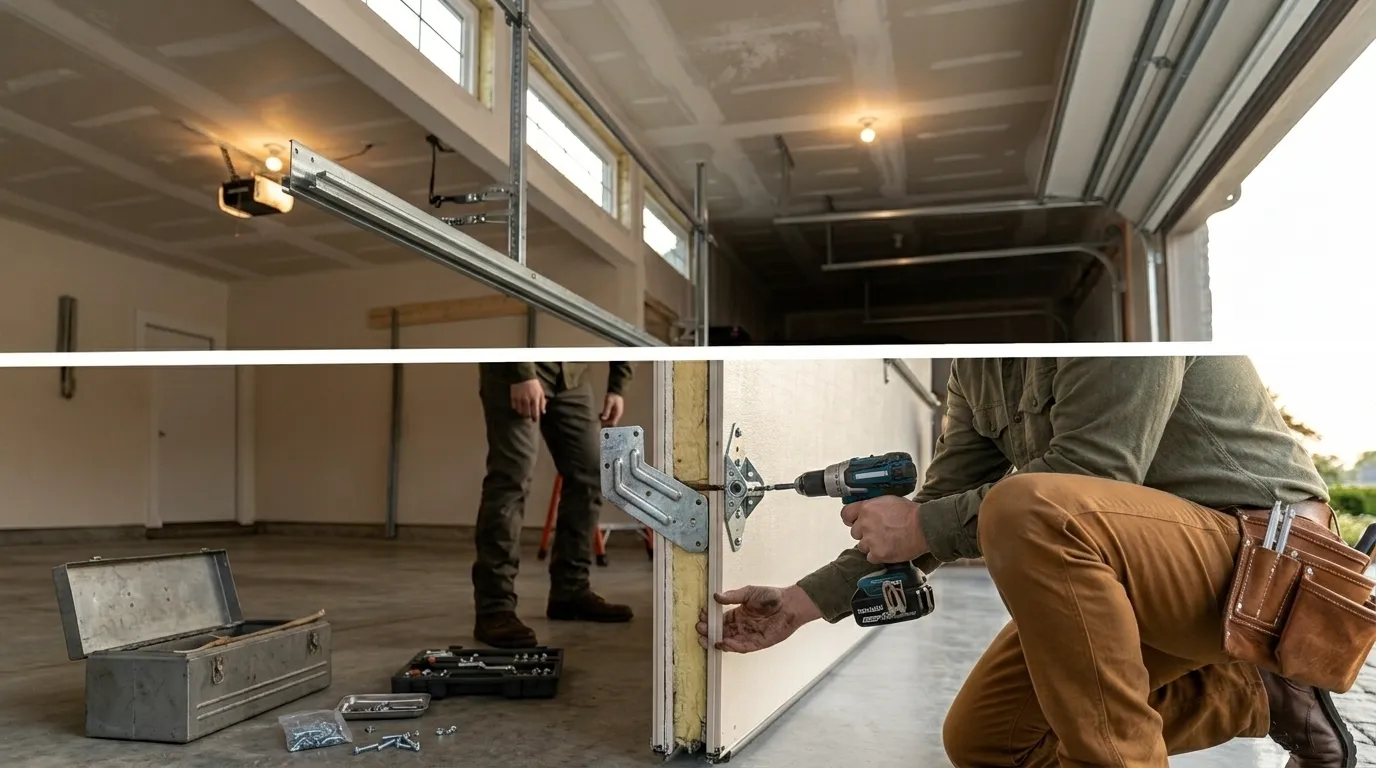
A standard maintenance visit - spring check, roller and hinge lube, track alignment, opener force and travel check - runs about the same length of time here as anywhere else on our route, since the work itself doesn't change with house age. What does change is how much we find. On a door built around 2000 that's had regular use and no maintenance, we're more likely to catch a cable starting to fray or a roller near the end of its life than a full spring failure, since the hardware is younger. That's a good problem to have: the visit stays a maintenance visit instead of turning into an emergency repair call.