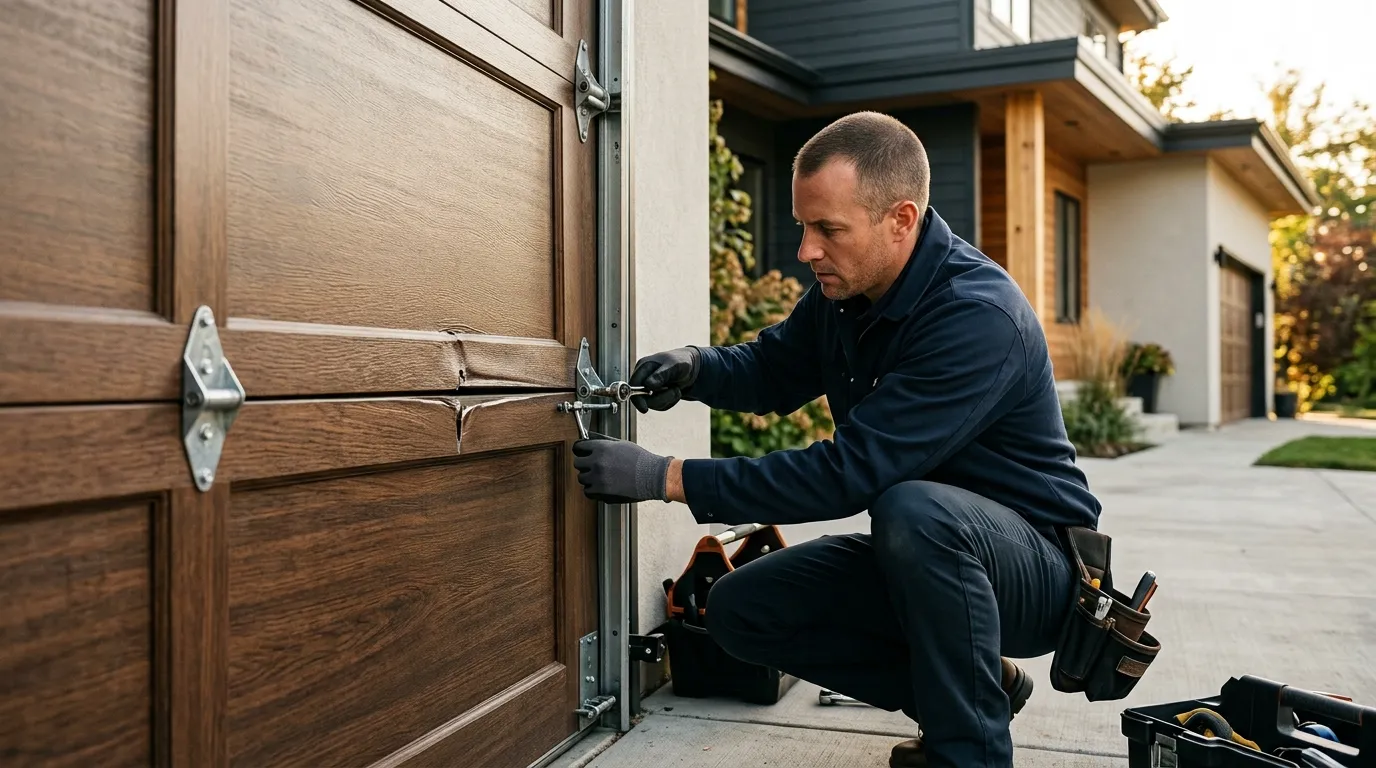

Doing It Yourself
Woodbury sits at the older end of the build-year range for this service area. Across the wider Murfreesboro area the median build year lands around 1994 (per Census data), but the commercial and light-industrial buildings here tend to date closer to 1965. That matters for what's bolted to the wall: heavier steel sectional doors, older torque-tube openers, and jamb hardware that predates a lot of the parts on today's shelves.
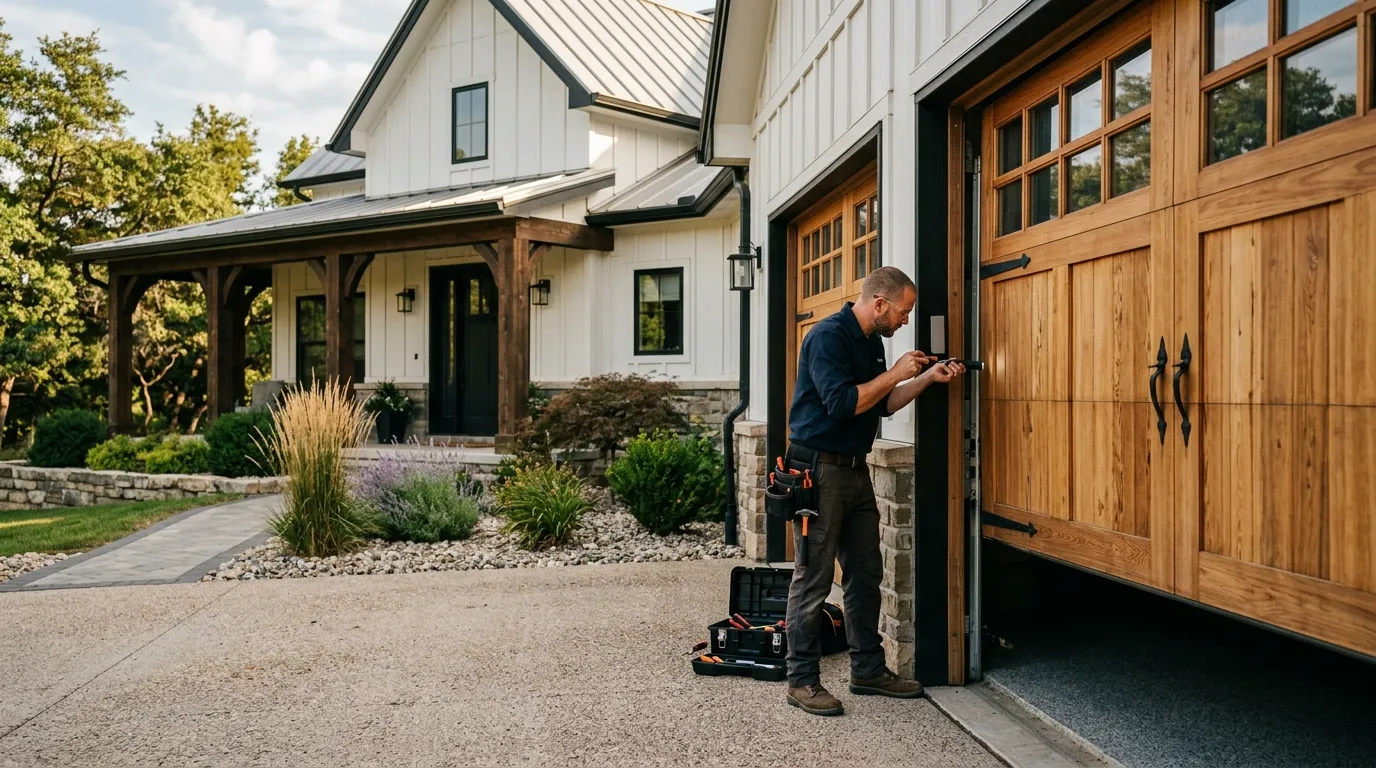
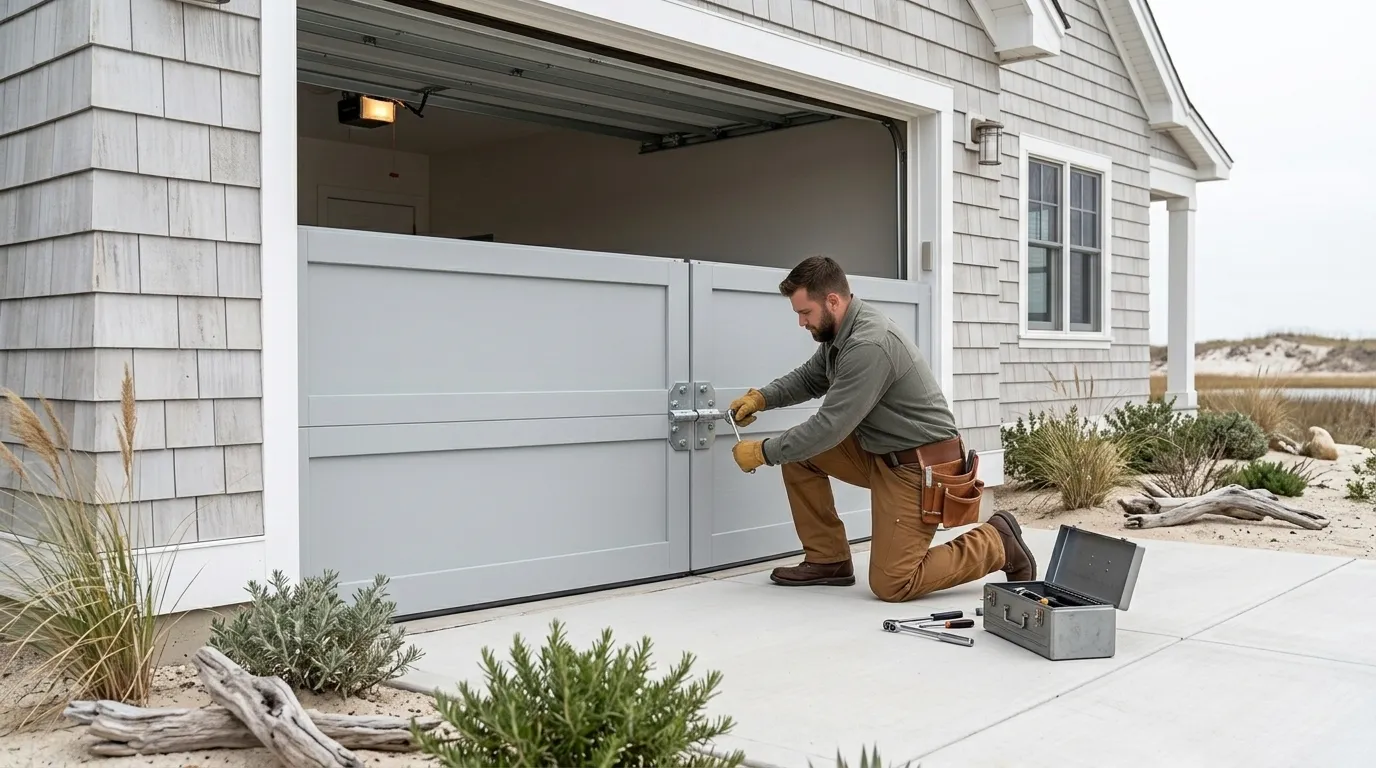
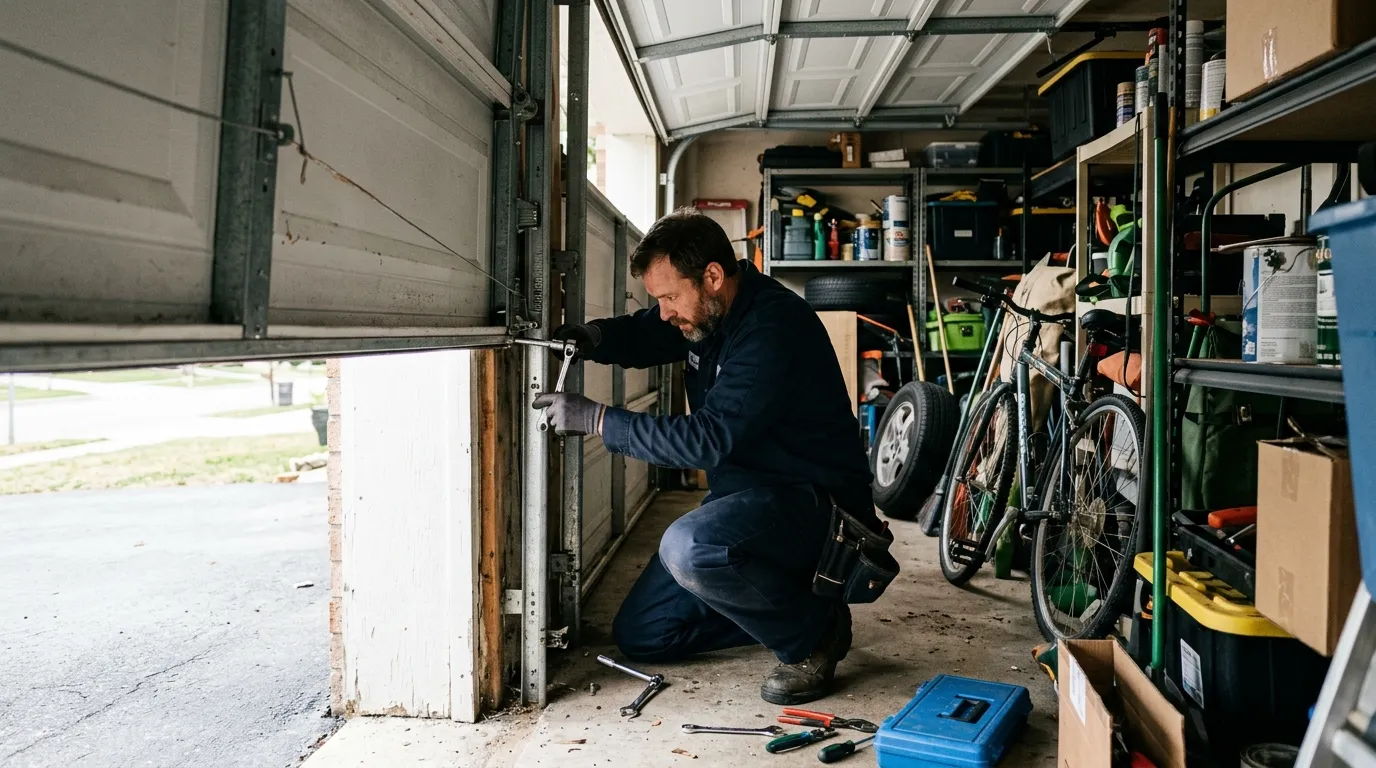
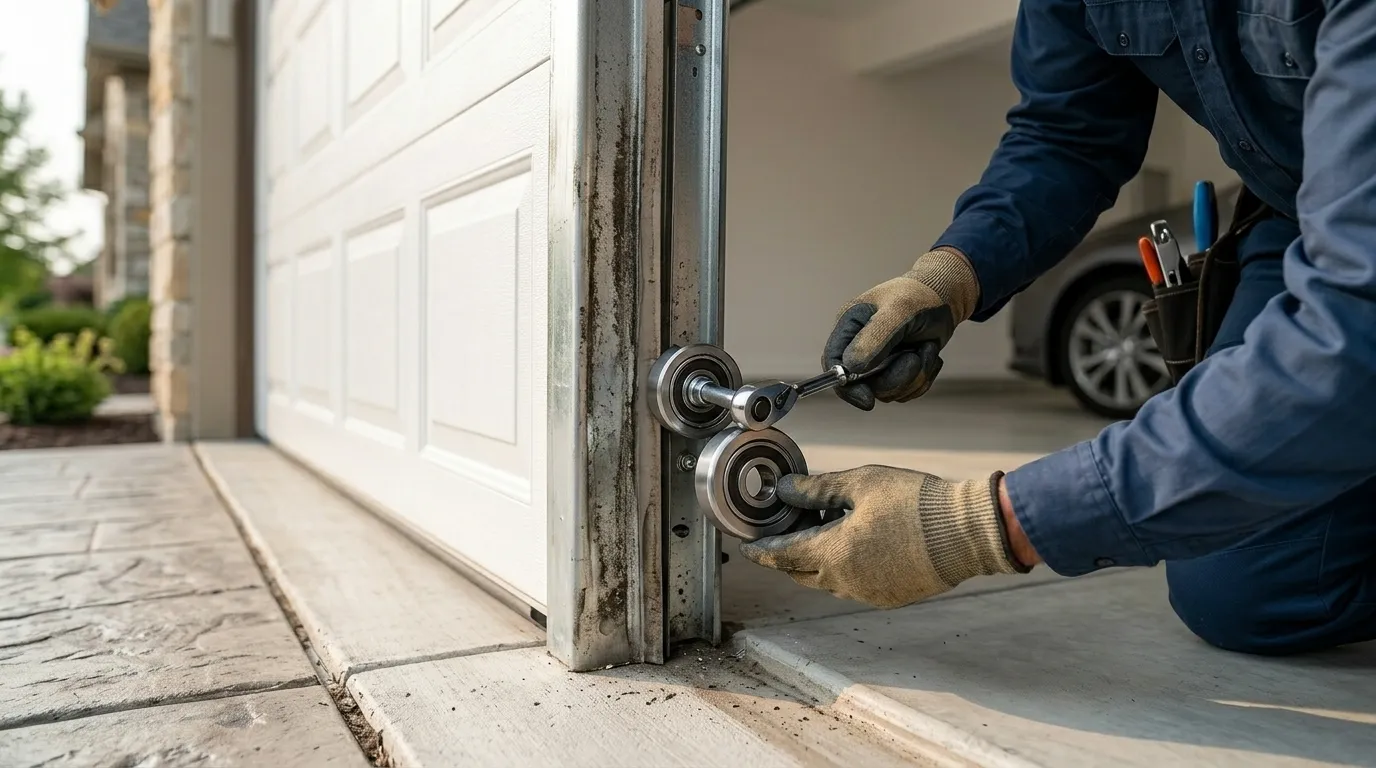
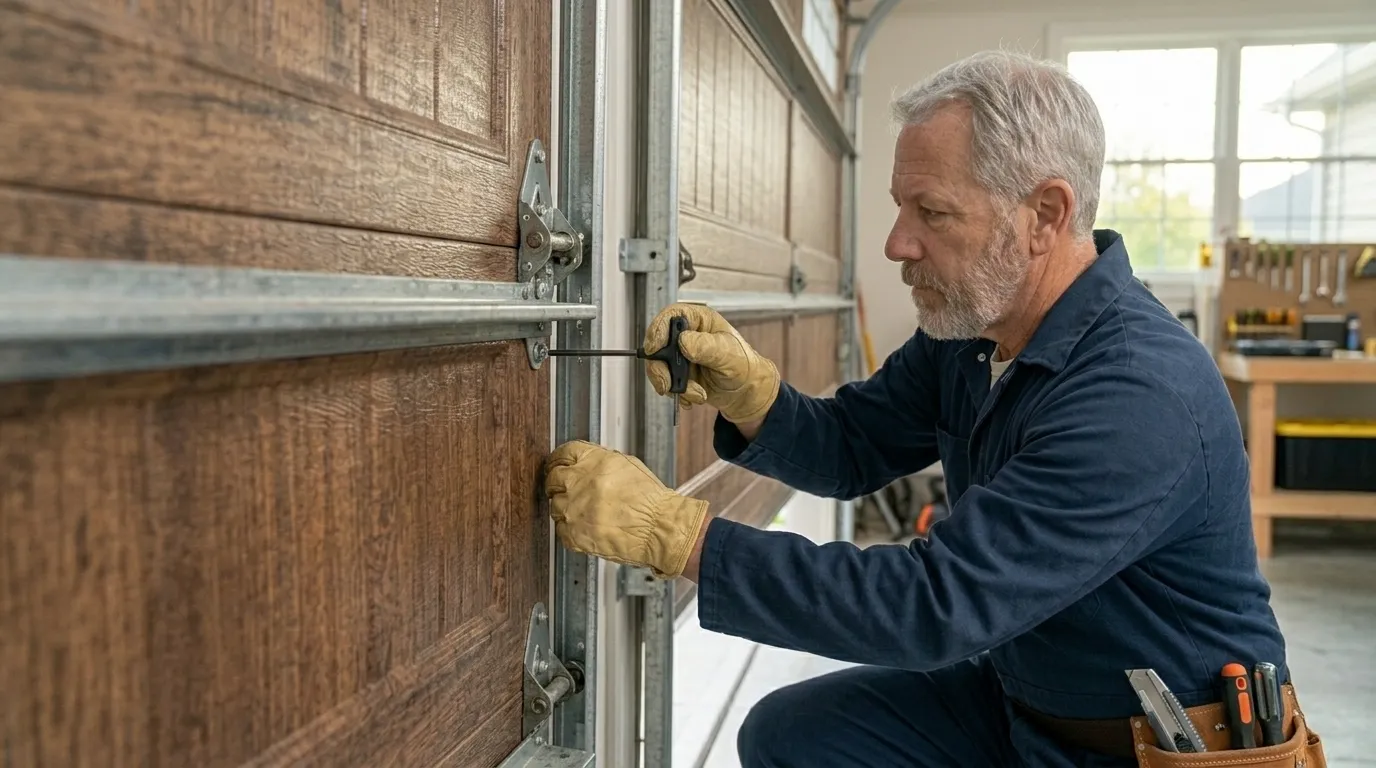
A loose track bolt or a chain that needs tension, you can handle. But on a commercial door running at this age, springs are usually wound to handle 300-plus pounds of steel, and a torsion spring under that kind of load will put someone in the hospital if it's mishandled. We're not going to tell you every job needs a truck. If a photo-eye sensor is dirty or a remote battery is dead, save your money. If the door won't stay up, or the cable's frayed, that's not a DIY afternoon - that's a call.
One honest limit: we don't carry every legacy part for doors this old on the truck. Some commercial hardware from the 1960s and 70s takes a special order, and we'll tell you that up front rather than pretend otherwise.
How to Book
We run out of Murfreesboro and Woodbury is about 20 miles from there, so a service call here is scheduled, not walk-in. Call ahead and describe the door - manual or motorized, sectional or rolling, how old you think it is - and we can usually tell you over the phone whether it sounds like a five-minute adjustment or something that needs a truck out.
For a straightforward look at what we cover on the residential side of Woodbury, that page has more detail. If your building is closer to Murfreesboro itself, the commercial page for the city covers that job directly.
We don't keep a branch or a depot out this way, so we're not going to promise a same-hour arrival - we're driving from Murfreesboro like any other call in the outer part of the service area. What we will do is give you a real window when you call, not a vague one.
What You Are Seeing
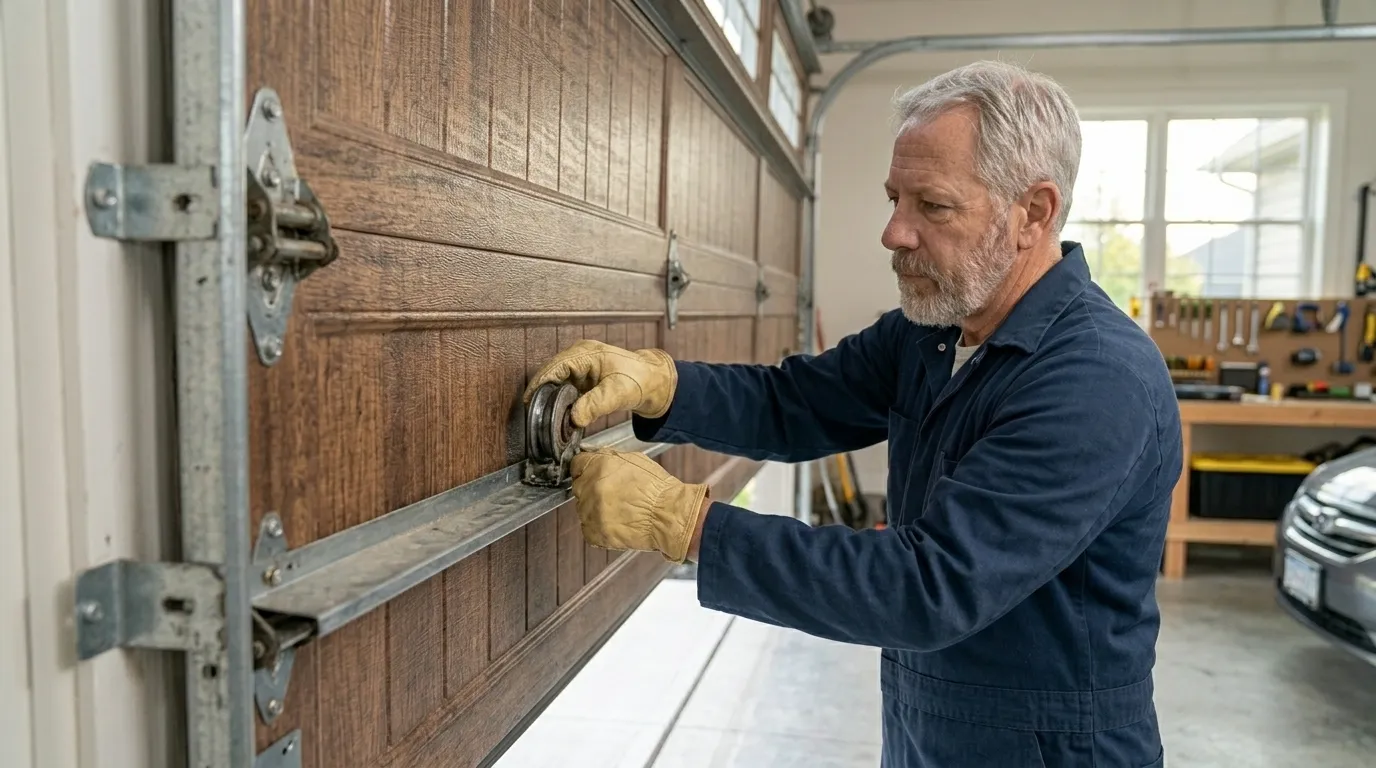
On a commercial door from the 1965-ish stock common in this part of the service area, the failures tend to run predictable. Winters here fall in the cold-moderate band, and repeated freeze-thaw on an unmaintained torsion spring or a track that's picked up rust will show up as a door that binds partway up, or one that comes down harder than it used to.
On newer commercial builds elsewhere in the service area - the kind that went up closer to the 1994 median - you're more likely dealing with an opener logic board or a worn belt. Here, it's more often mechanical: a spring that's lost tension after decades of cycles, hinges that have worked loose from the panel, or a bottom seal that's cracked from age rather than from a bad install.
If your door is dropping fast on the way down, or one side is visibly lower than the other when it's open, that's spring or cable, and it's worth a call before it fails completely and locks the door in place - which on a commercial unit usually means a building you can't secure.
How Long It Takes
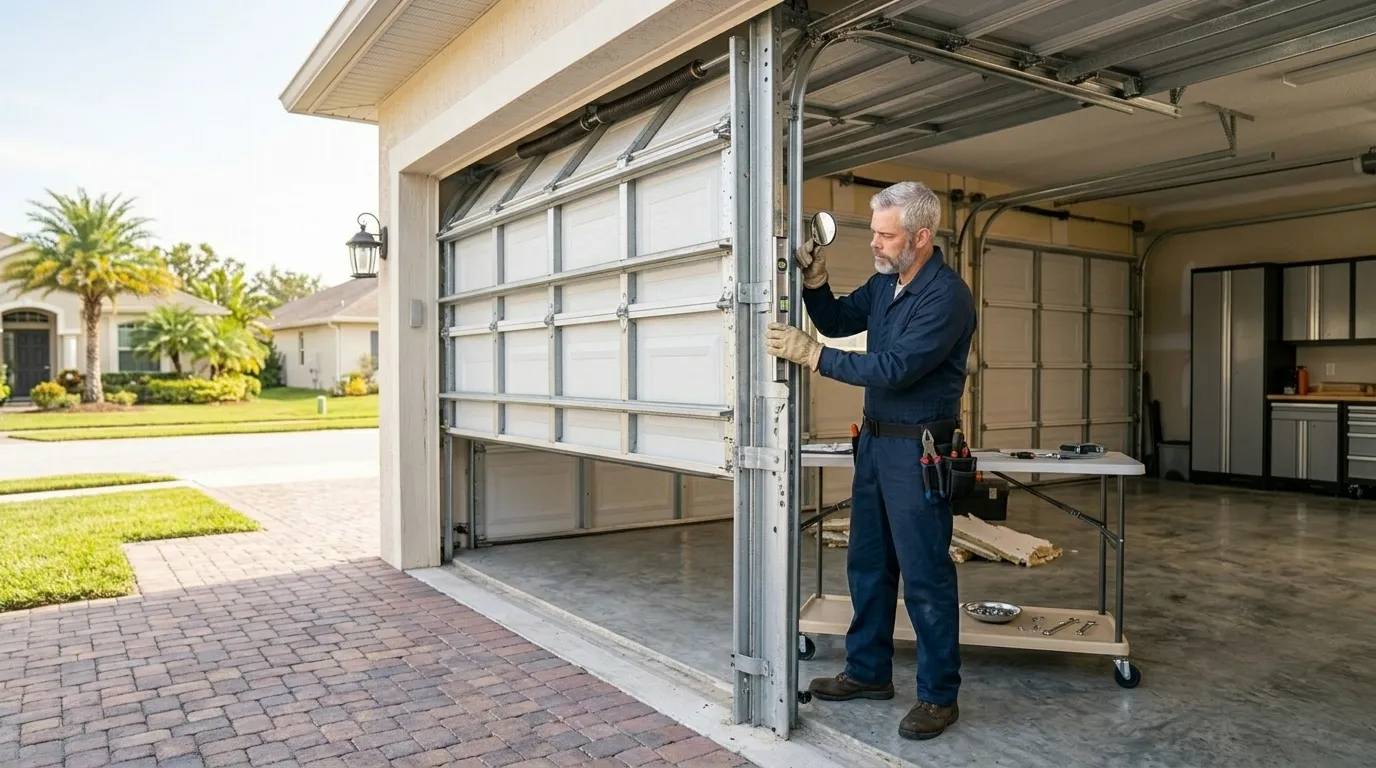
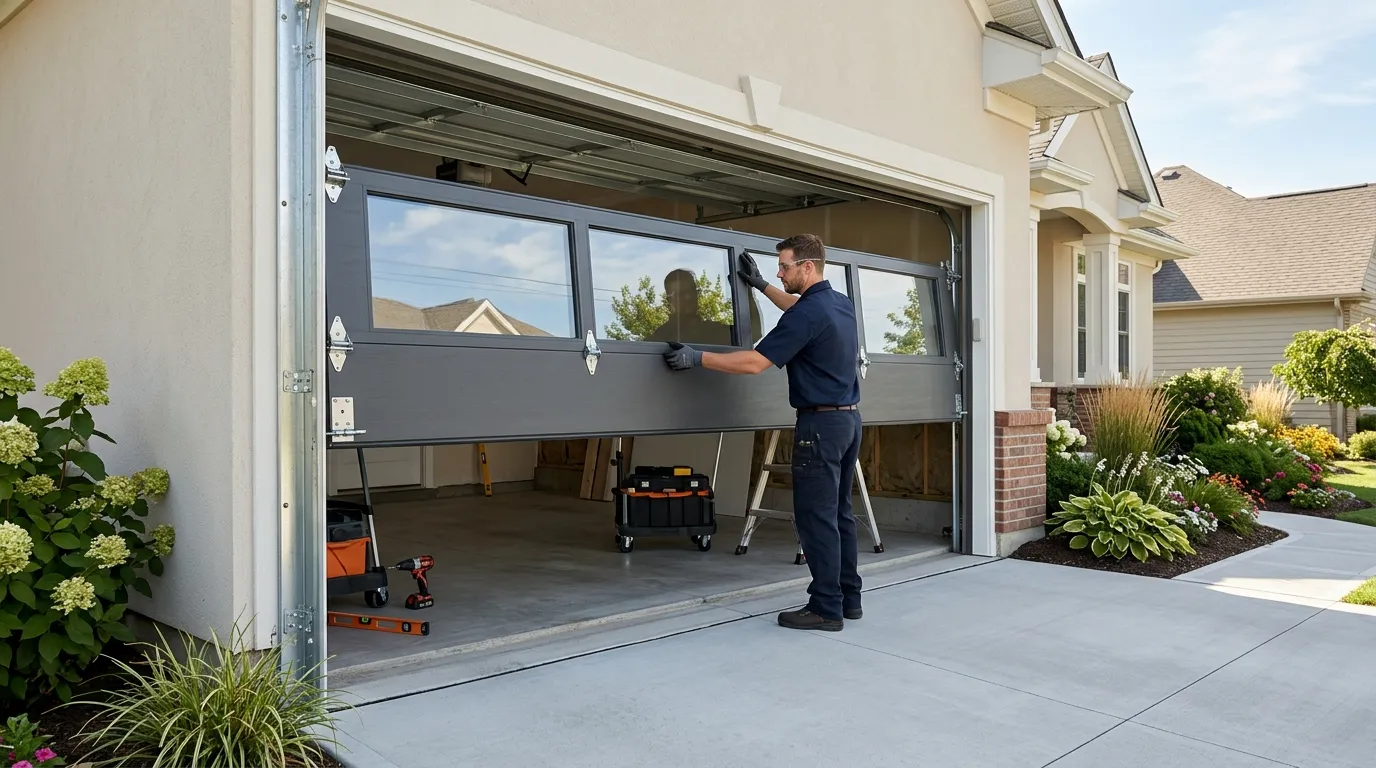
A spring or cable job on one of these older commercial doors, once we're on site with the right parts, usually runs a couple of hours - more if the track alignment turns out to be off, which happens more often on doors from the area's older building stock than on newer installs. If a part has to be special-ordered because the door predates common stock sizes, that adds days, not hours, and we'll tell you that the moment we identify the part number.
Because we're driving out from Murfreesboro rather than working from a depot in Woodbury, we build travel into the estimate we give you on the phone. We're not going to promise a same-day fix for every call out here - some jobs genuinely need a return trip once parts are in hand. What we will do is tell you which kind of job you've got before we start, so you're not guessing.