Parts We Carry
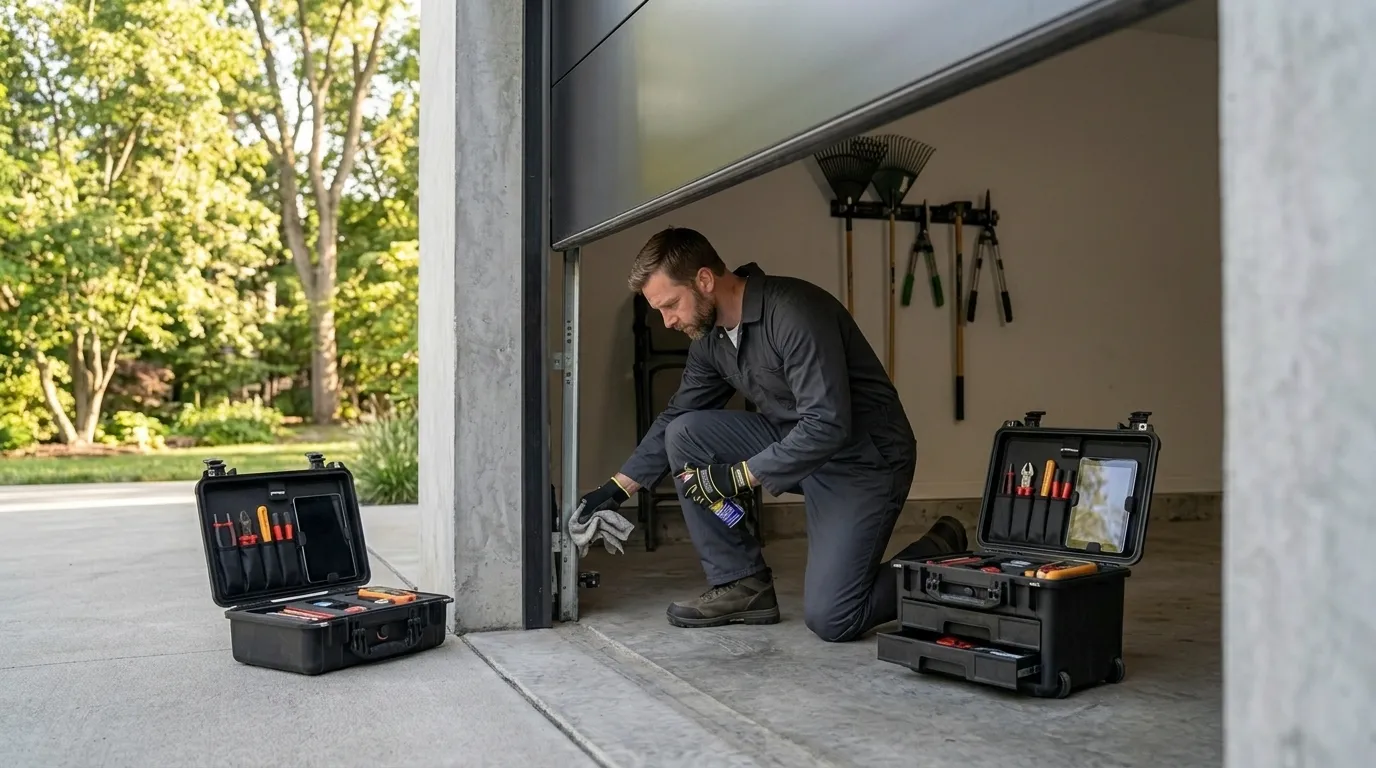
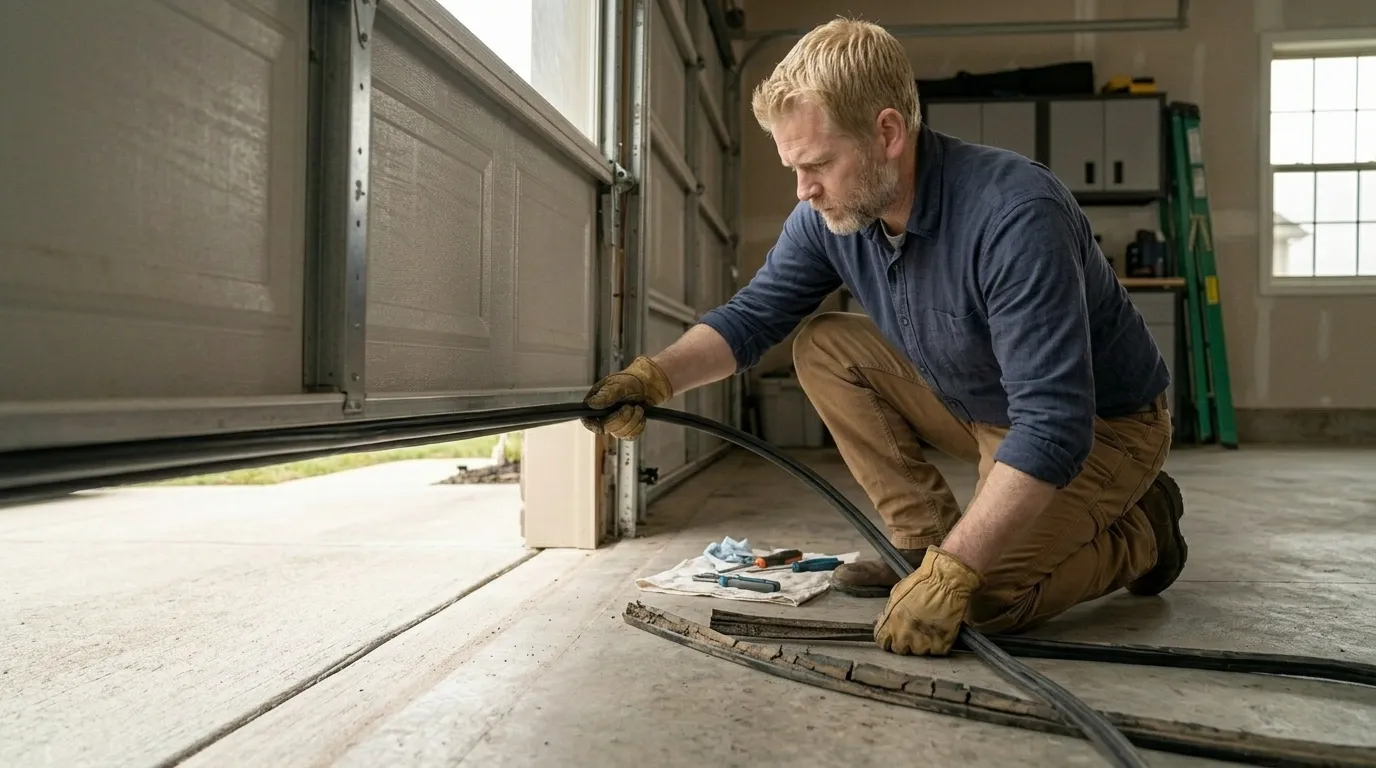
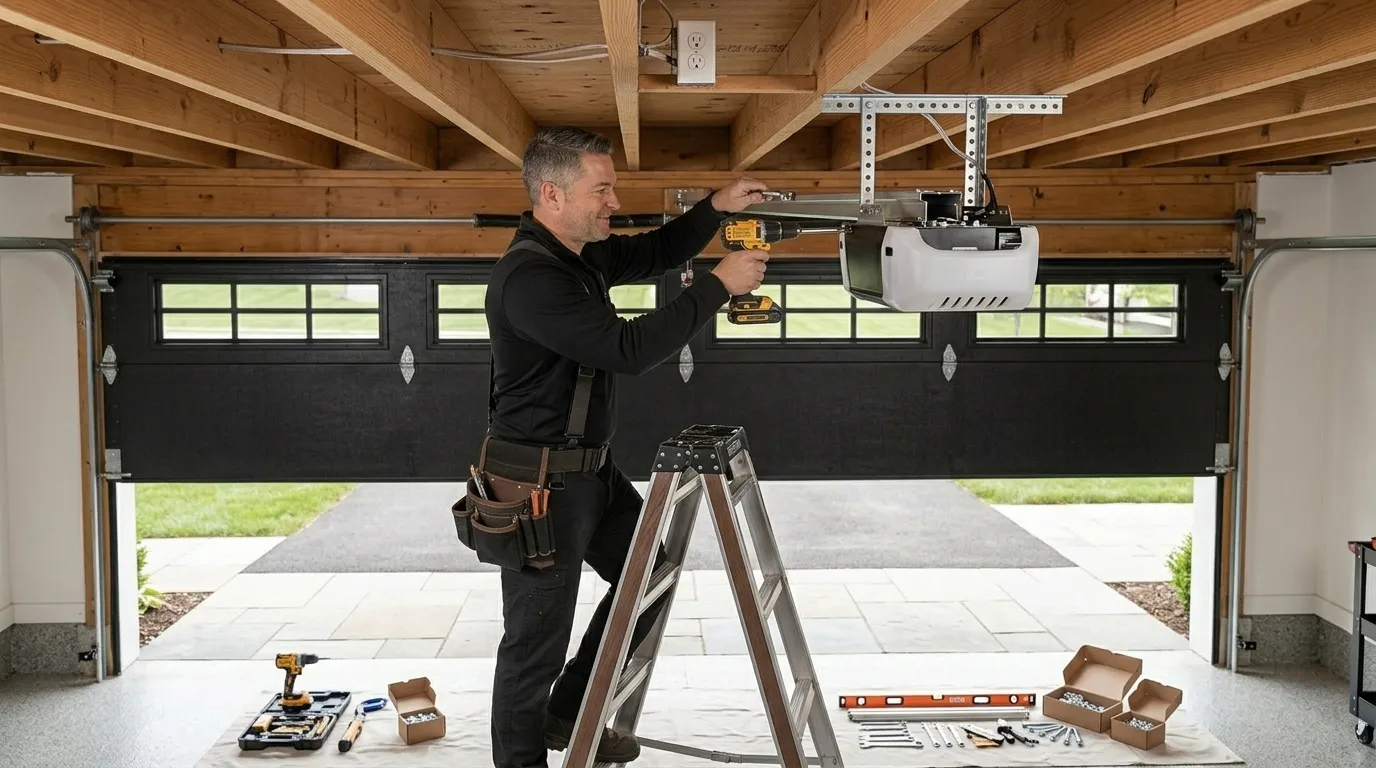
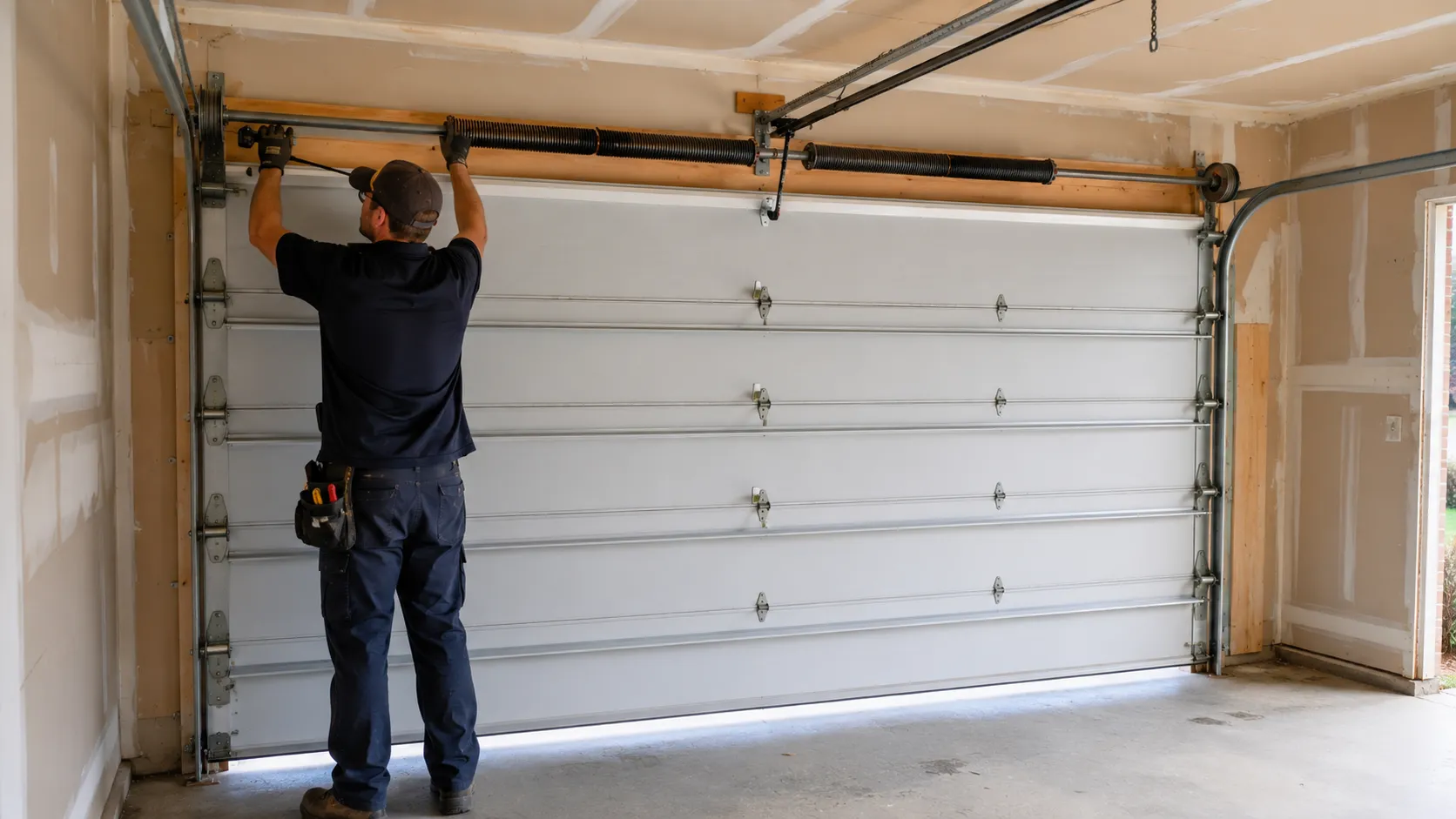
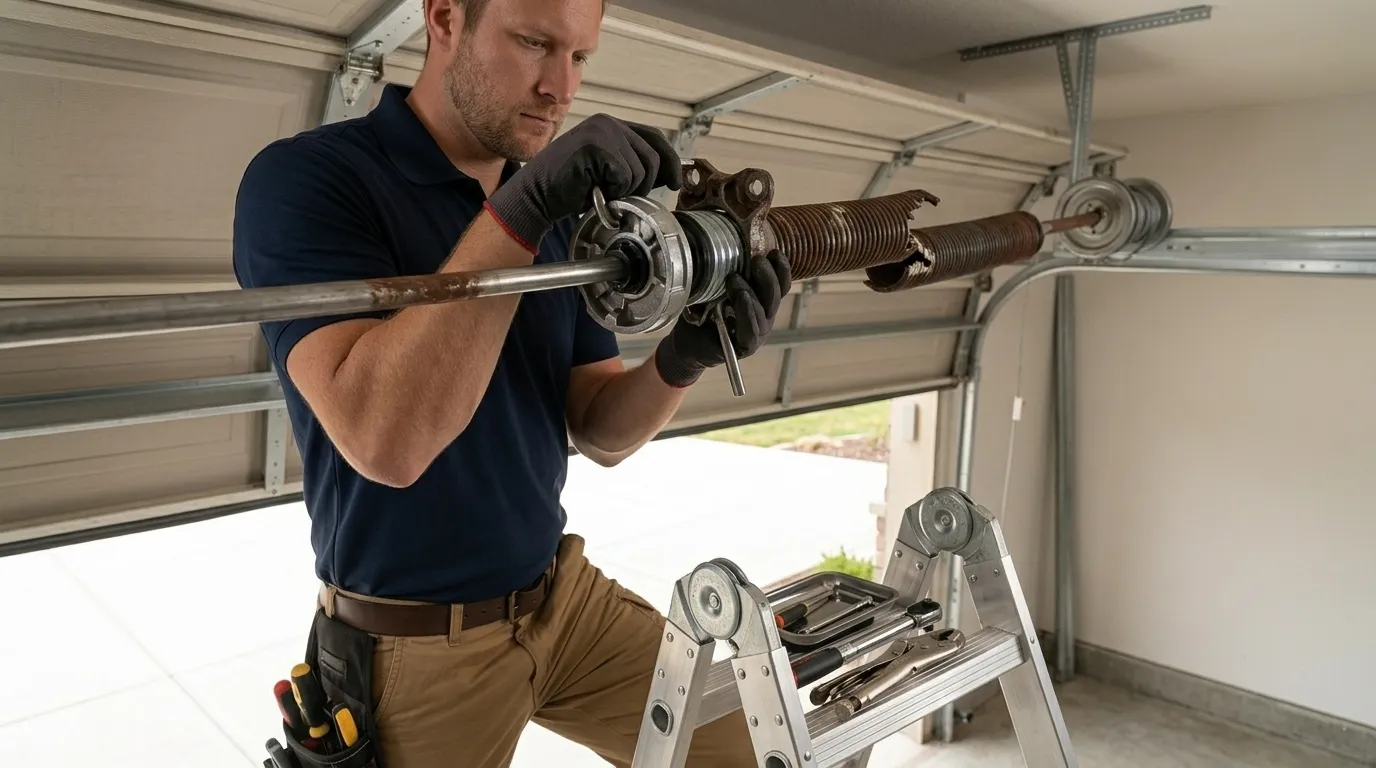
Rural Hill's median building dates to about 1988, and that number decides what's on the truck before we ever pull in. Buildings from that era were mostly fitted with 26-gauge galvanized steel sectional doors on chain-hoist trolley operators, not the belt-drive or insulated setups you'd spec new today. We stock the rollers, torsion springs, and drive chain that fit that generation of hardware, along with the weatherstrip profiles that shops from that period actually used. What we don't always carry on the truck is a factory-match panel for a door that old - some of those sections are long out of production, and if a panel is cracked rather than dented, we may be ordering a replacement section rather than pulling one off the shelf. That's a lead-time issue, not a stock issue, and we'll tell you which one you're dealing with before we quote anything.
What It Costs
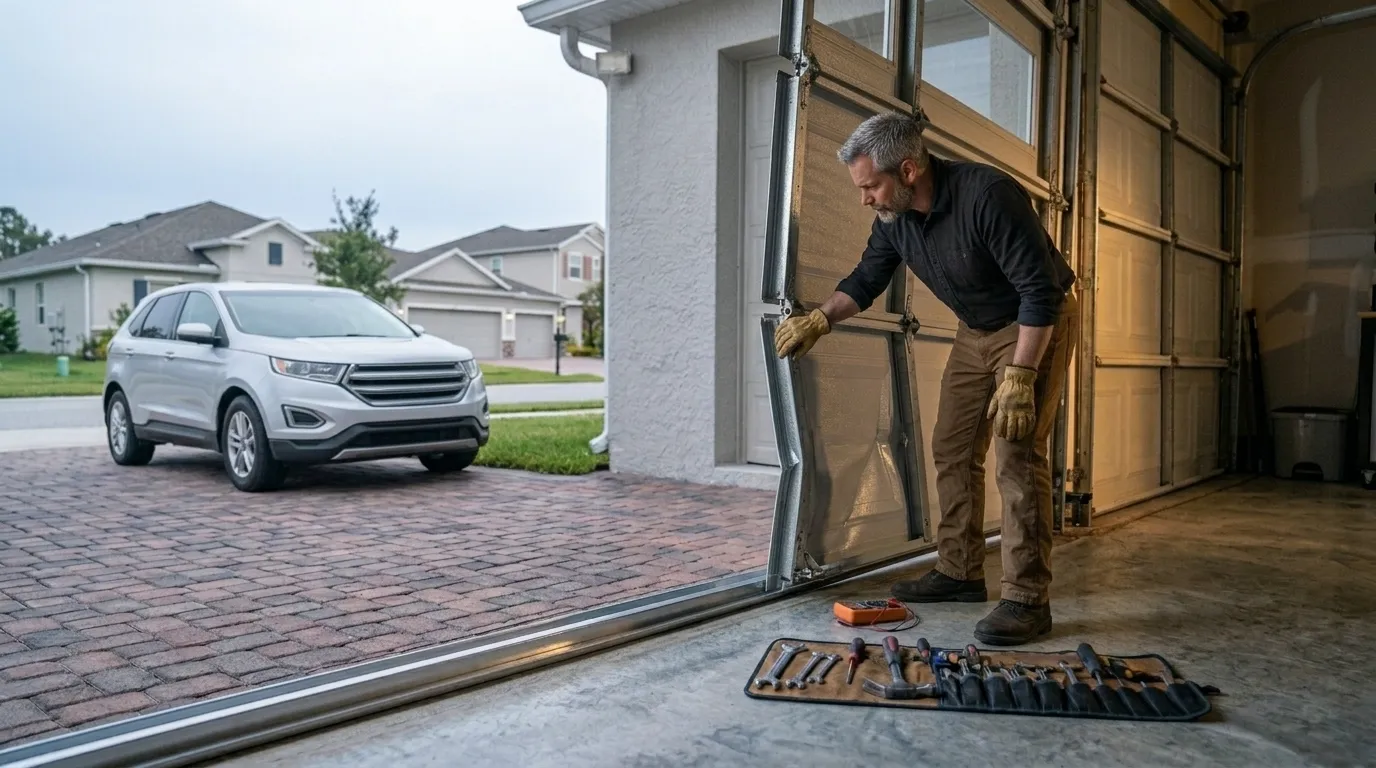
We're not going to hand you a number here without seeing the door - what a job runs depends on whether you're replacing a spring, a full operator, or a section of panel, and on whether the part is something we stock or something we order in for hardware this age. What we can tell you is how the age of the building affects the estimate: original 1980s-era commercial doors often need a chain-hoist operator replaced rather than repaired once the sprocket and chain are worn, and that's a different cost than swapping a modern belt-drive unit. If a section is cracked and can't be patched, sourcing a matching panel for an older door sometimes costs more than the door was worth new, and at that point we'll say so rather than talk you into a repair that doesn't make sense.
The Complications
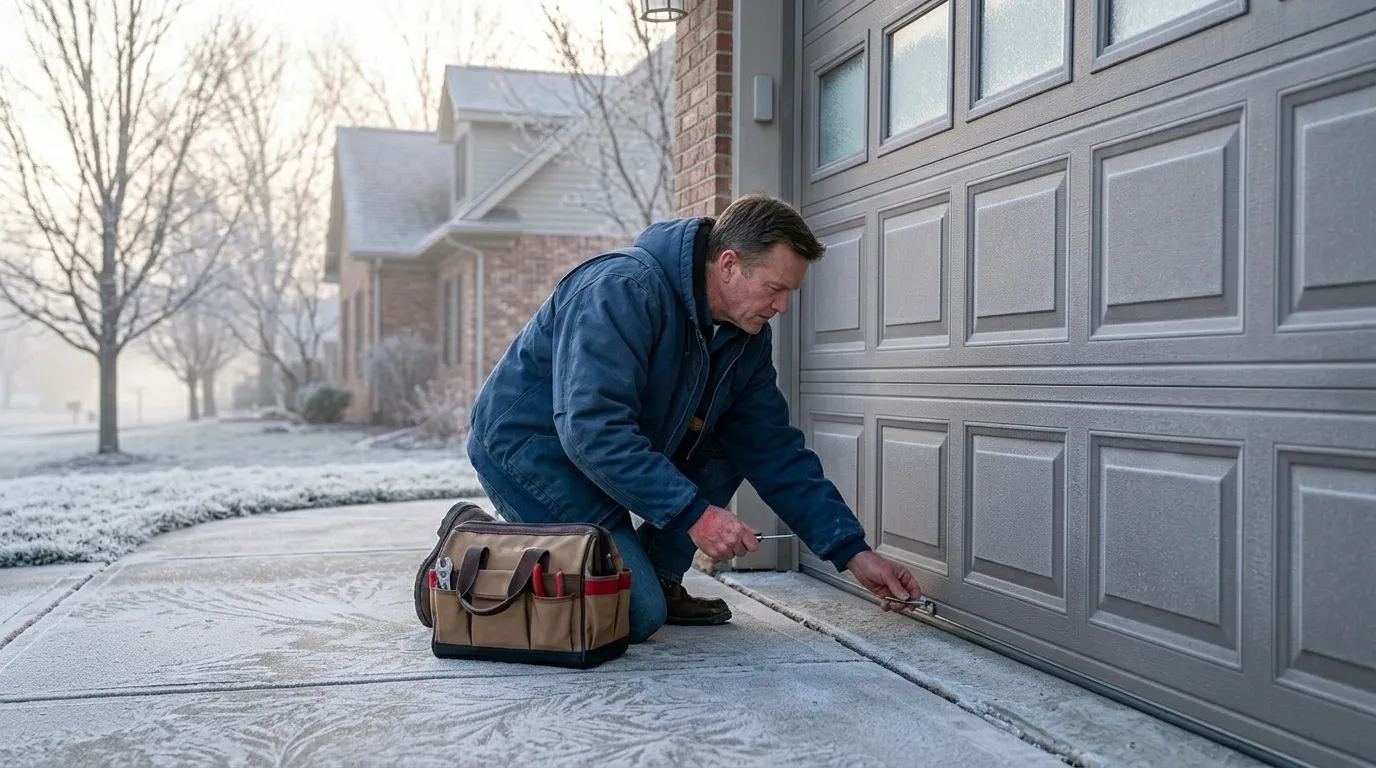
Rural Hill sits about 19 miles out from our shop in Murfreesboro - the farthest stretch of ground we run trucks to on a regular basis. There's no branch or drop point out here, so every job means a full trip from Murfreesboro and back, which is worth knowing when you're scheduling around a business that's open set hours. With only 867 households in the area, Rural Hill doesn't carry the density of strip malls and business parks you'd find closer to town - most of what we see out here is standalone shops and small operations rather than multi-tenant commercial buildings, which changes how a job gets billed and who's authorizing the work. Winters cold enough to stiffen torsion springs and slow chain drives are part of the calculation too, especially in a bay that isn't heated between uses.