How to Book
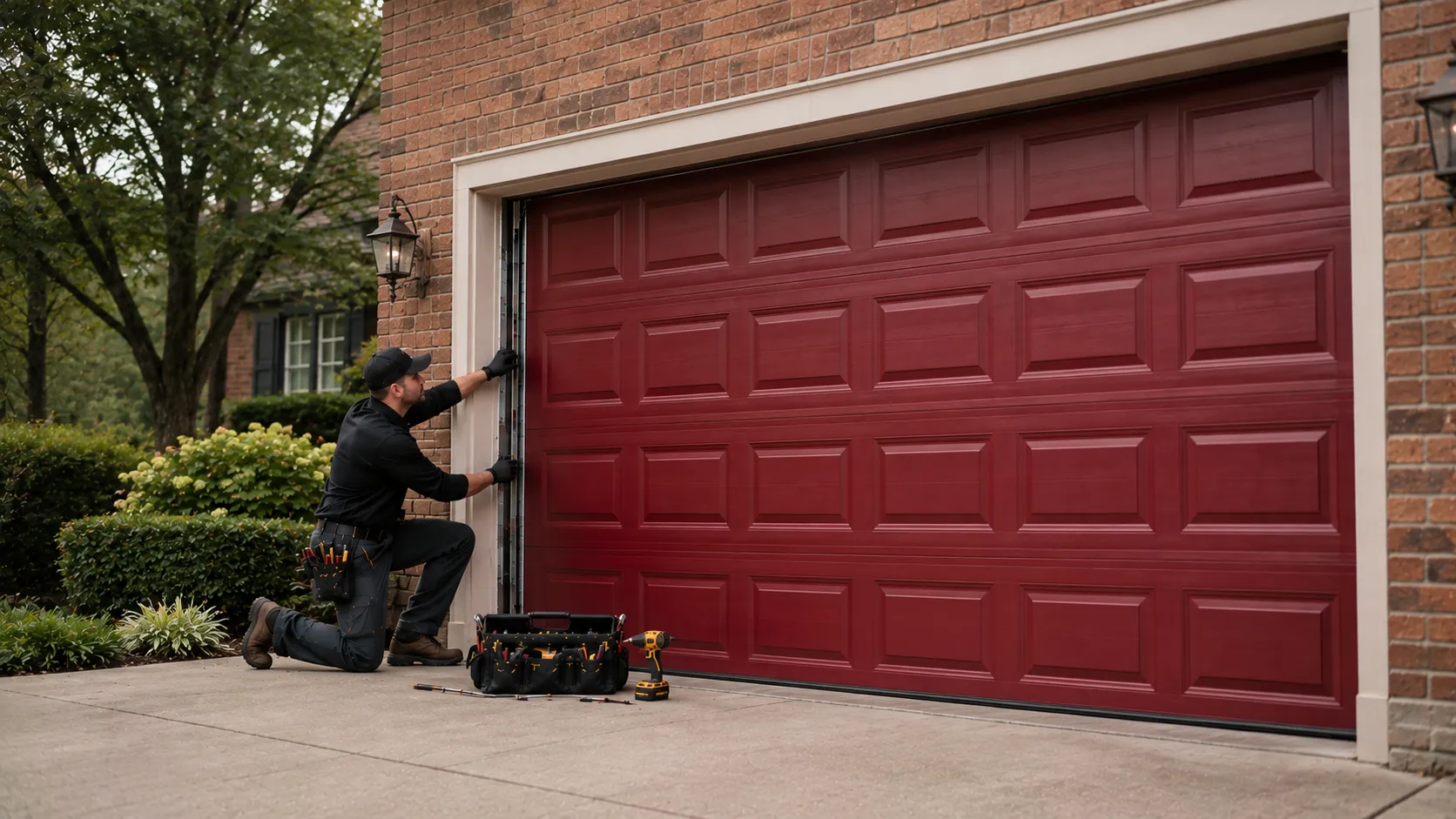
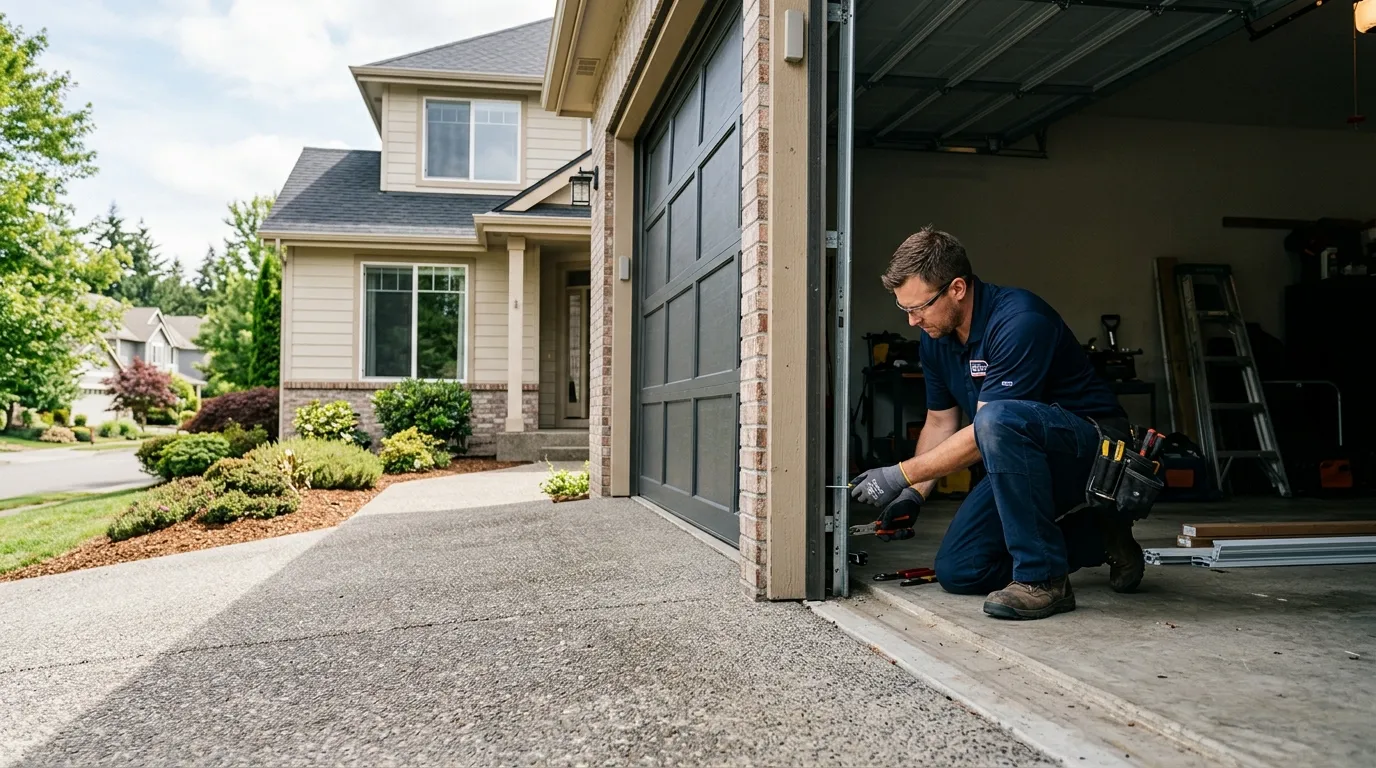
Rockvale sits about 8 miles out from our shop in Murfreesboro, and we run trucks out that way on a regular basis. There's no branch office in Rockvale itself - we work this area from Murfreesboro, so when you call, you're booking a truck that drives out to you, not a local depot with someone standing by. That's worth knowing up front: it's not a same-block fix, it's a scheduled trip.
When you call, tell us the age of the house if you know it, roughly. Rockvale's housing is newer than a lot of what we see closer into town - much of it built after 2006 - and that changes what we bring on the truck. A house from that era has different opener electronics and different spring sizing than something from the 80s, so knowing the rough build year helps us load the right parts before we leave the shop instead of guessing on site.
We also ask what the door is actually doing: won't open, opens partway, makes a grinding sound, opener runs but door doesn't move. That narrows it down before anyone drives out.
For booking details and current contact info, see our main Murfreesboro service page, or go straight to the Rockvale service page for what we cover out this way.
What It Costs
We don't have a published price list here to quote you a number, and giving you one without knowing your door, spring type, and opener age would be a guess dressed up as a fact. What we can tell you is what drives the cost on a Rockvale job specifically: if the opener is original to a 2006-era build, you're often looking at opener replacement rather than a board repair, since parts for that generation of motor are getting harder to source.
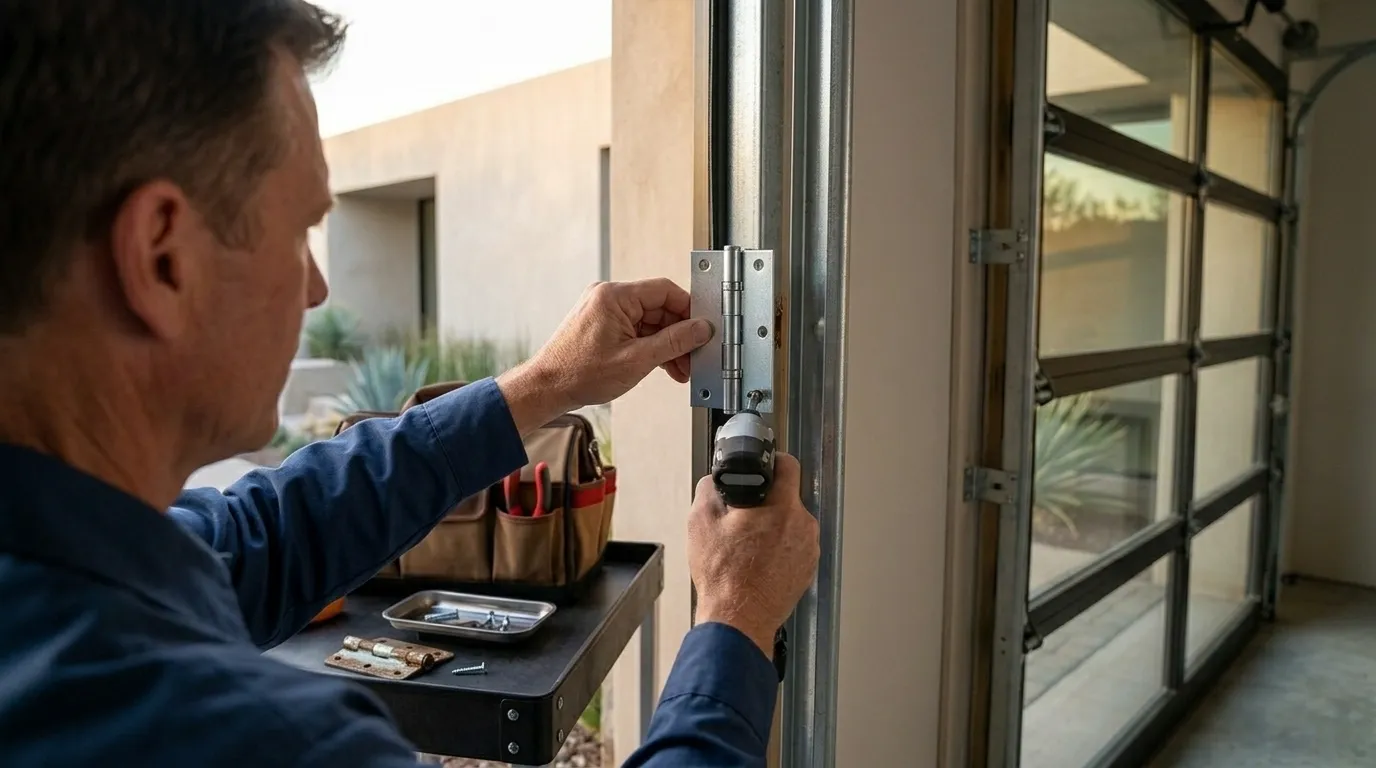
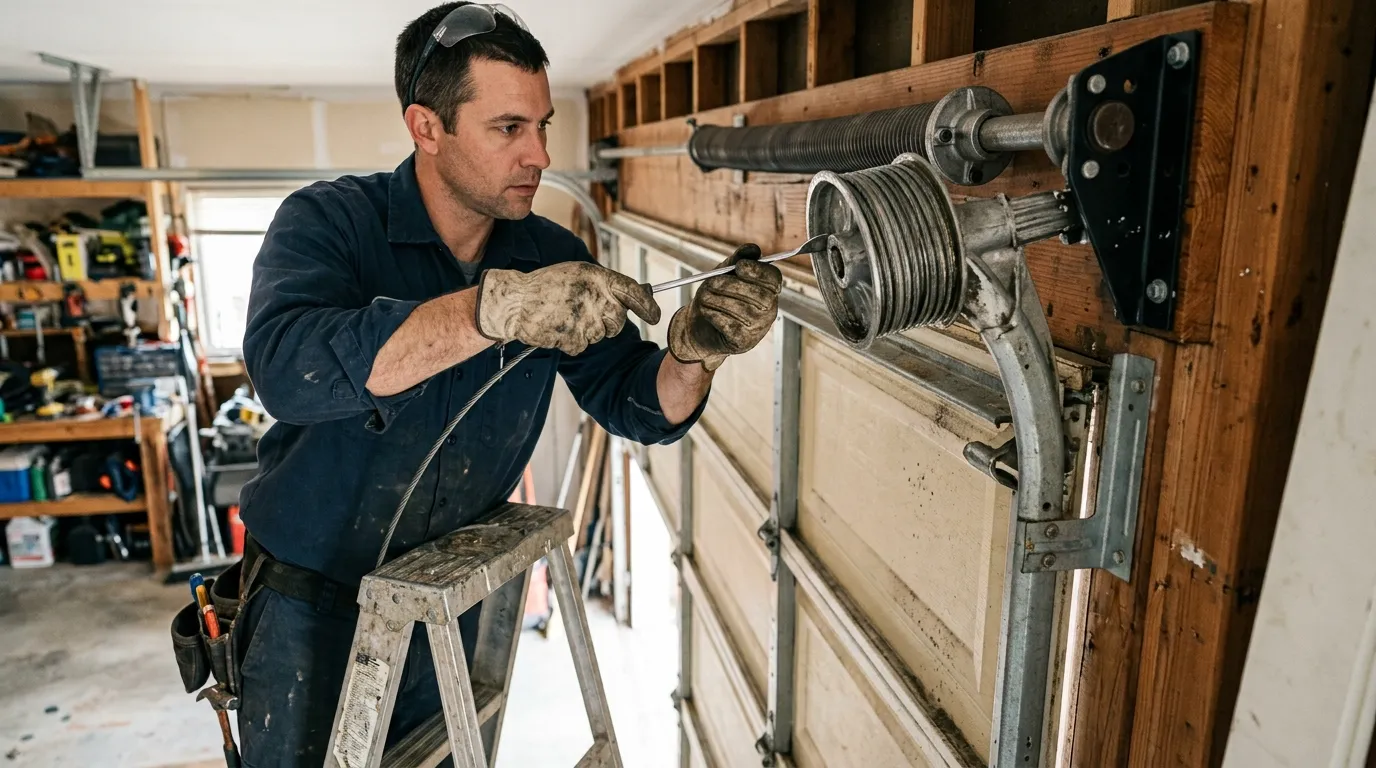
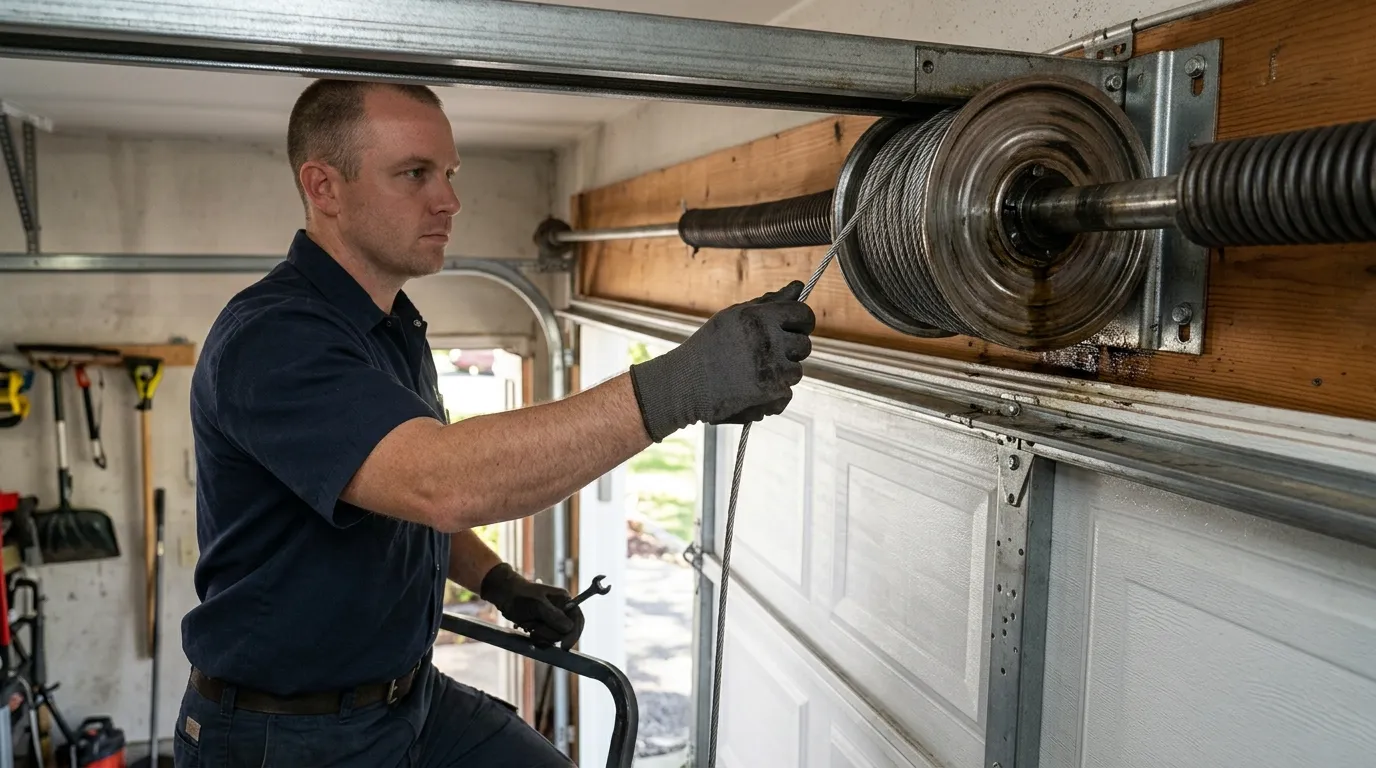
Roller and cable wear tends to be cheaper fixes - those wear out on a schedule and get swapped without touching the rest of the door. Spring replacement sits in the middle, and whether you need one spring or two depends on the door width, which we check on site.
The honest limitation: we can't quote a firm number over the phone for anything beyond a basic call-out, because door weight, spring count, and opener model all shift the number, and quoting blind does nobody any favors. We'll give you a real number once we're looking at the door.
Doing It Yourself
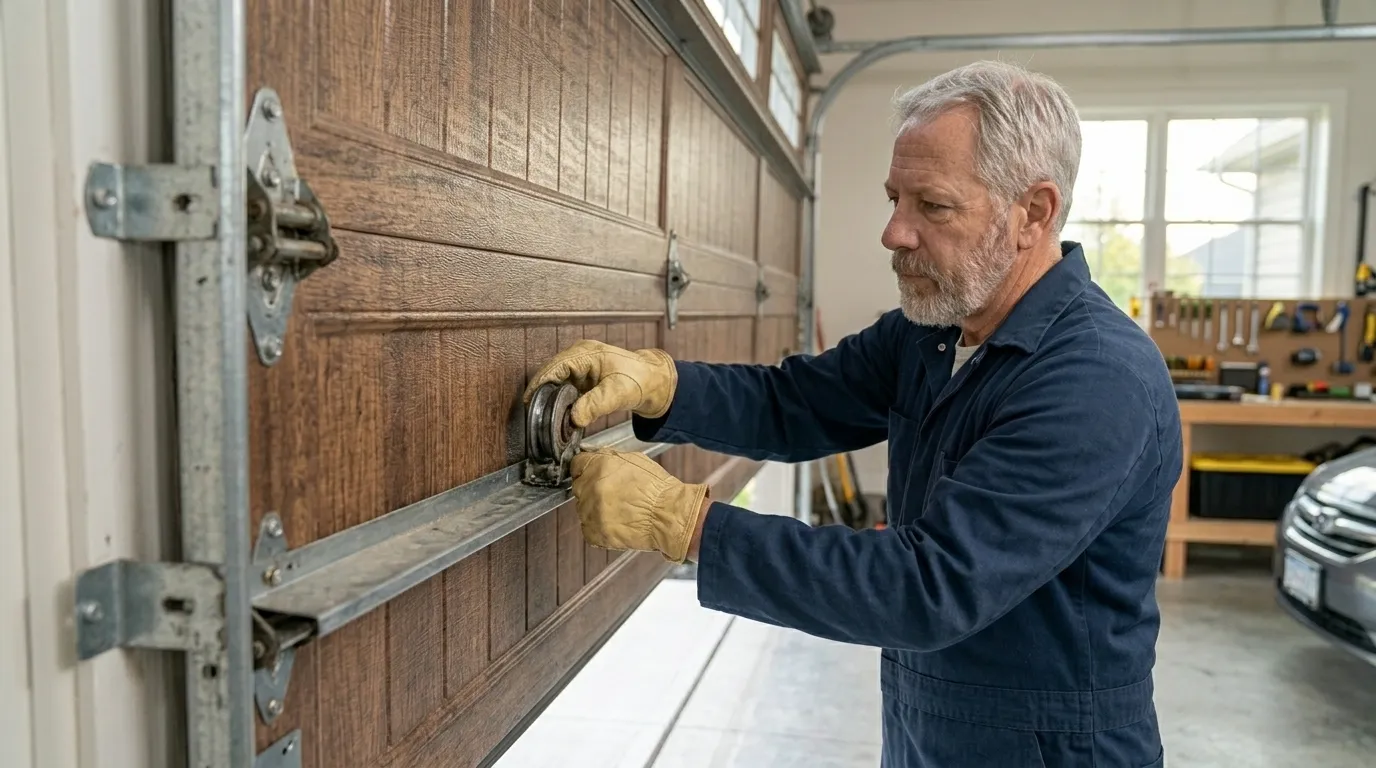
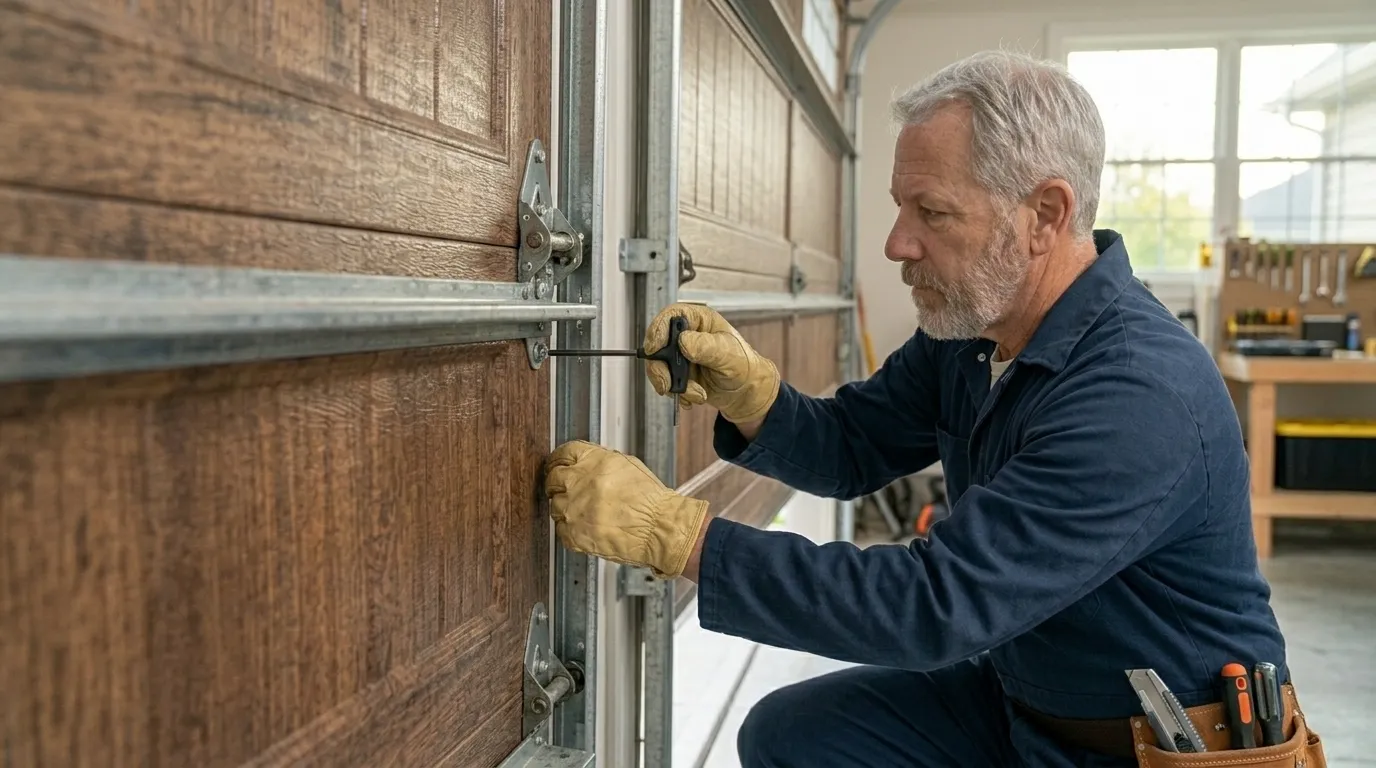
There's a fair bit you can check yourself before calling anyone. Look at the rollers first - on a house from the mid-2000s, cracked or chipped nylon rollers are the most common early failure, and you can spot them without taking anything apart. If they're visibly split or flattened on one side, that's wear, not a mystery fault.
Check the opener's safety sensors too - the two small eyes near the floor on each side of the track. If they're knocked out of alignment (a bump from a bike or a lawn mower will do it), the door won't close and the opener will just blink at you. Realigning them is a five-minute job with no tools.
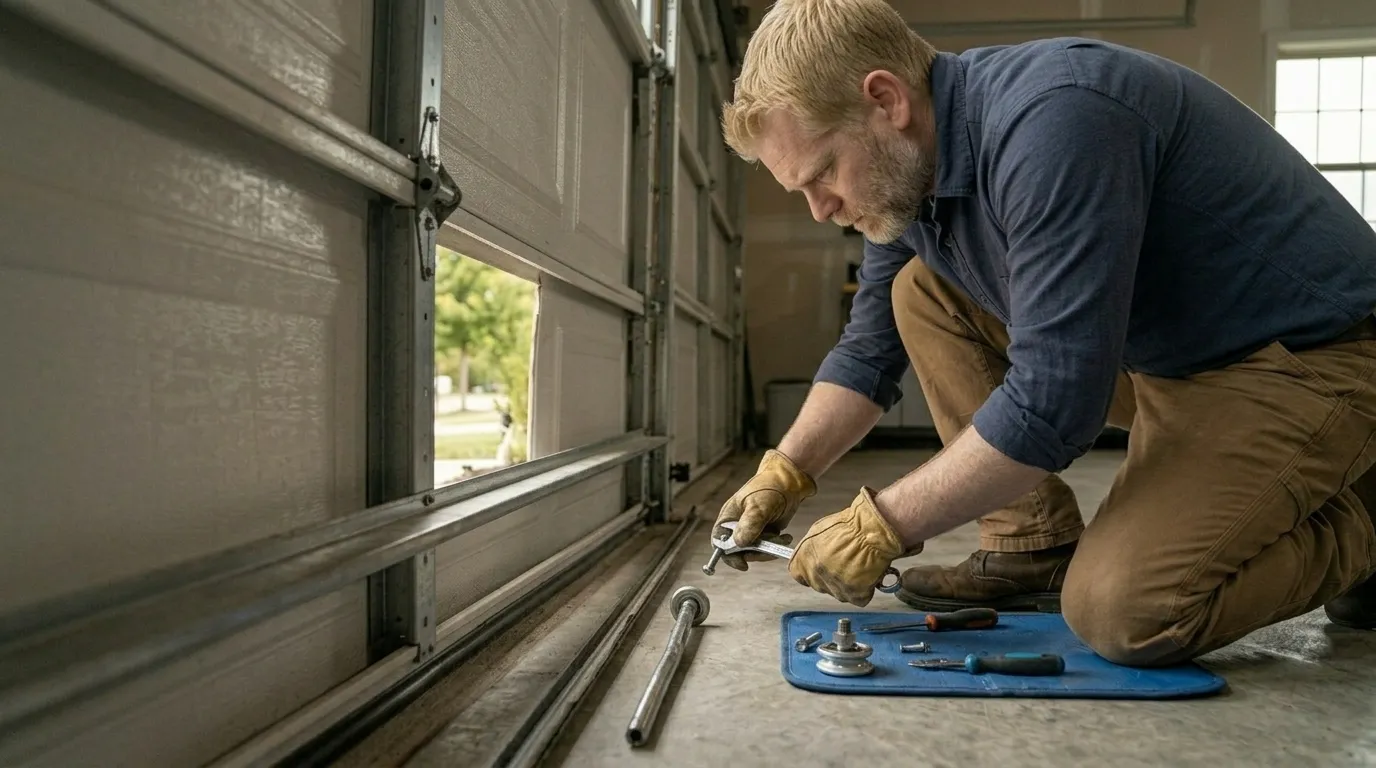
What you shouldn't touch: the torsion spring itself, if your door has one. Those are wound under load and a household income of $80,750 doesn't buy back a hand. That's not a scare line, it's just true of every torsion spring on every door regardless of the town it's in - the mechanism doesn't care how new the house is. If you're not sure whether your door uses torsion or extension springs, that's worth a call before you do anything past the rollers and sensors.