How to Book
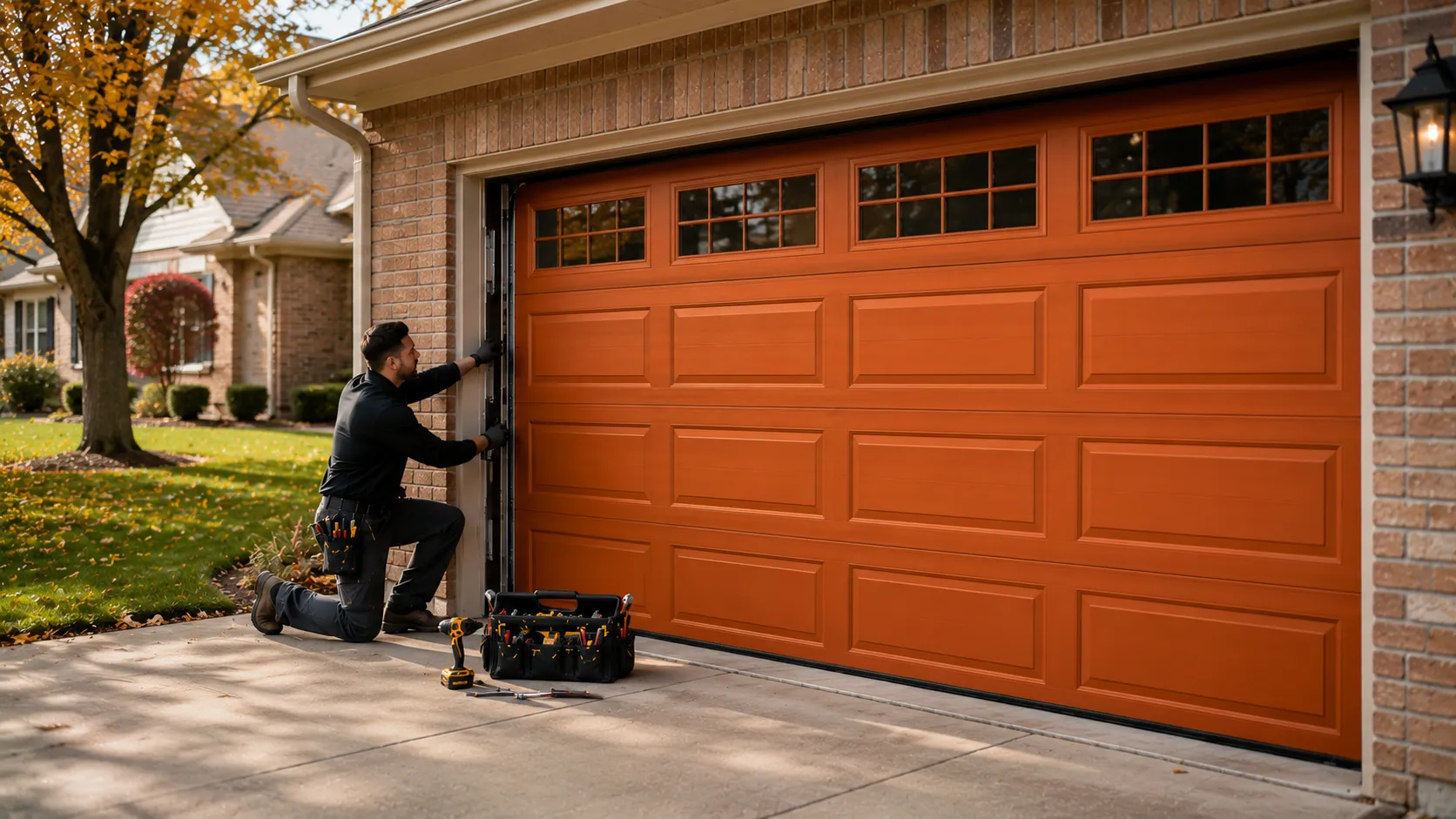
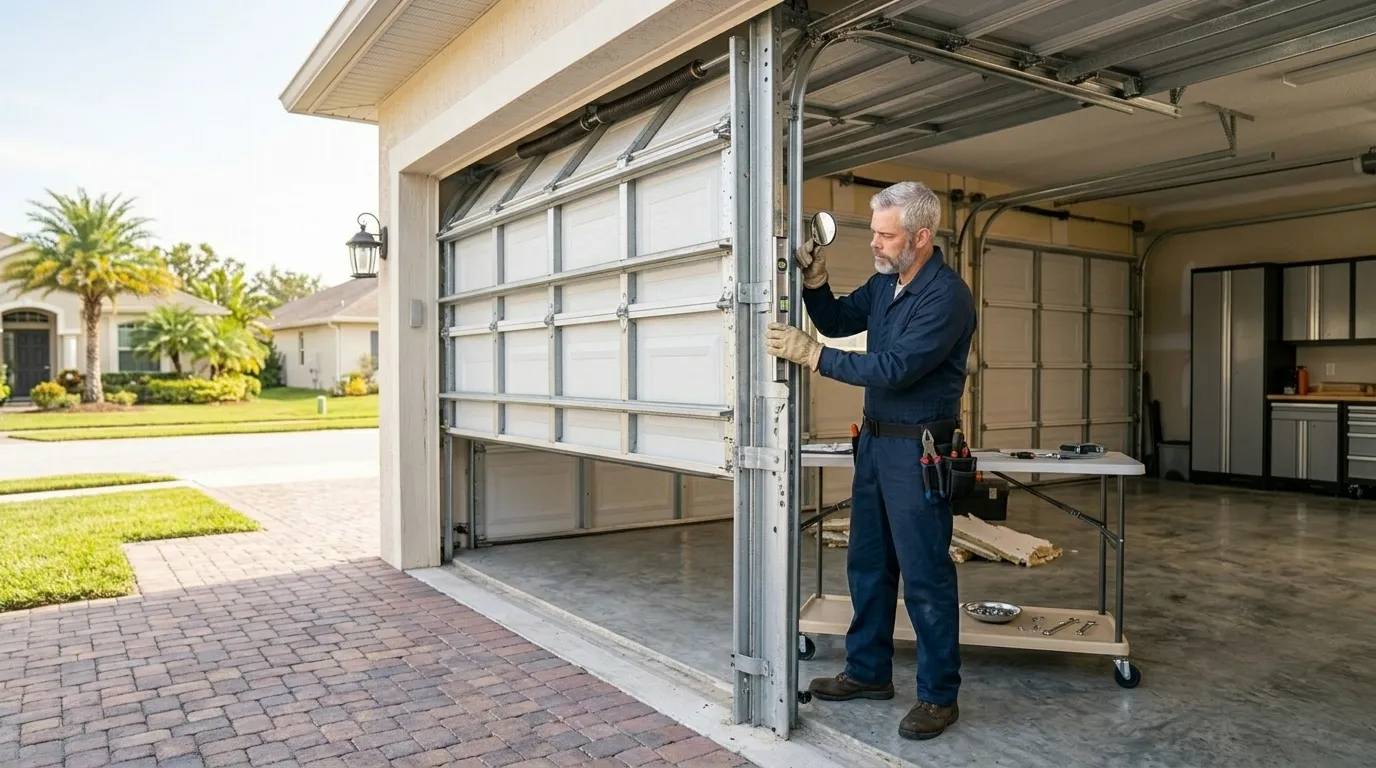
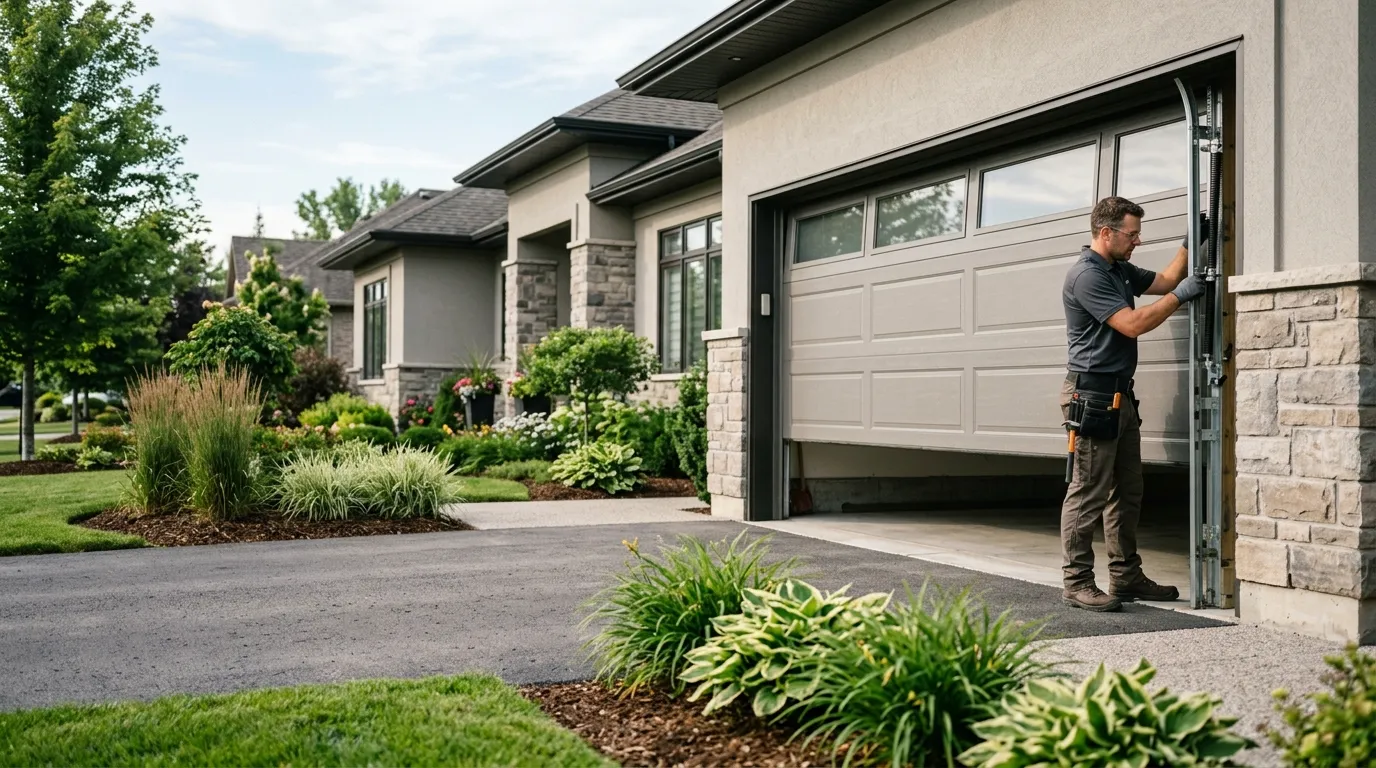
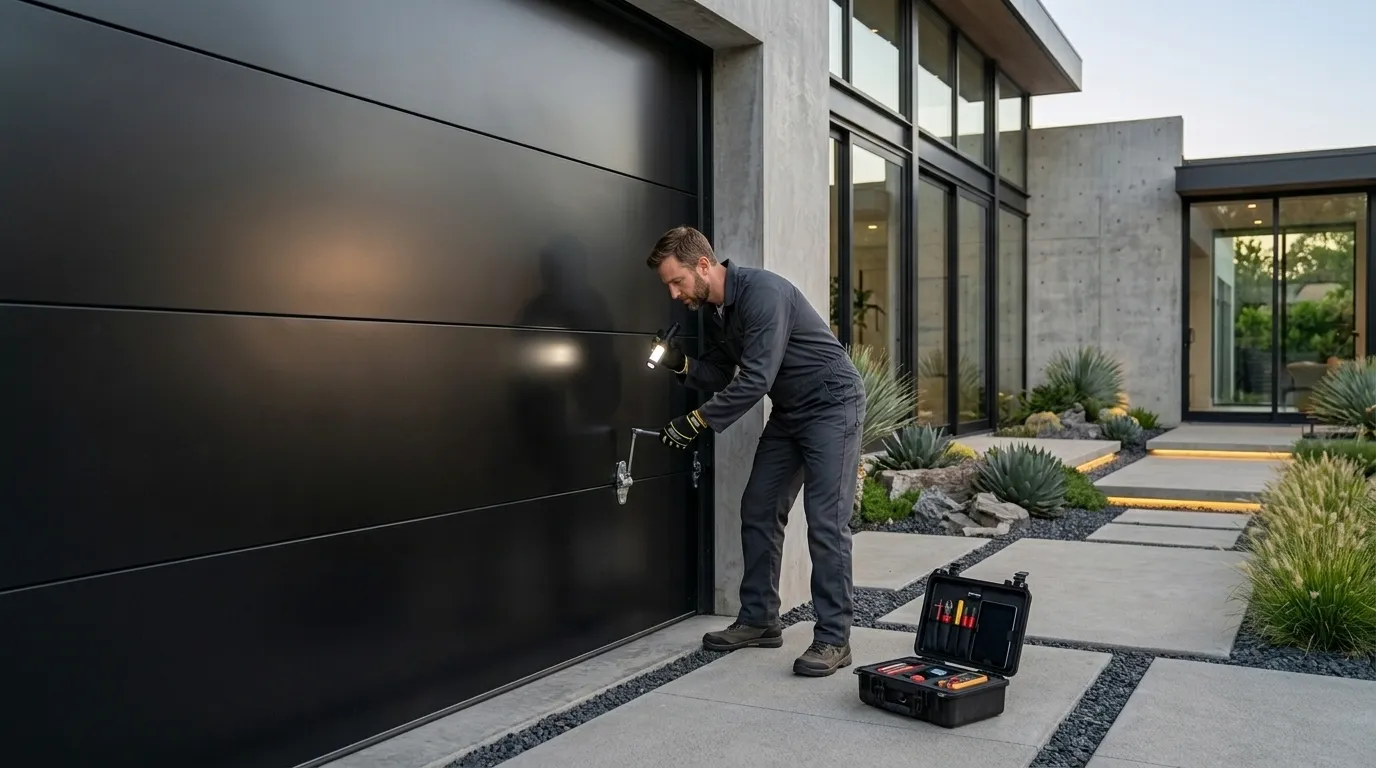
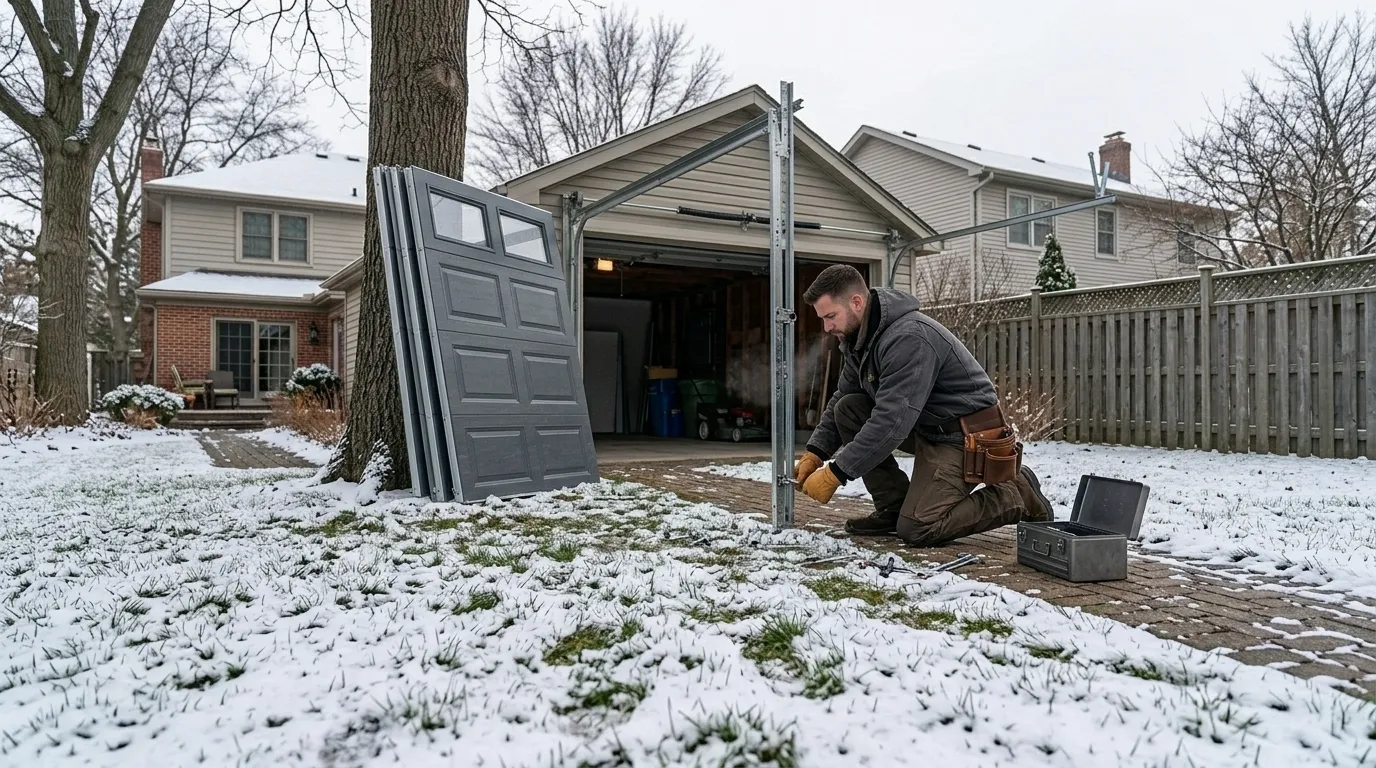
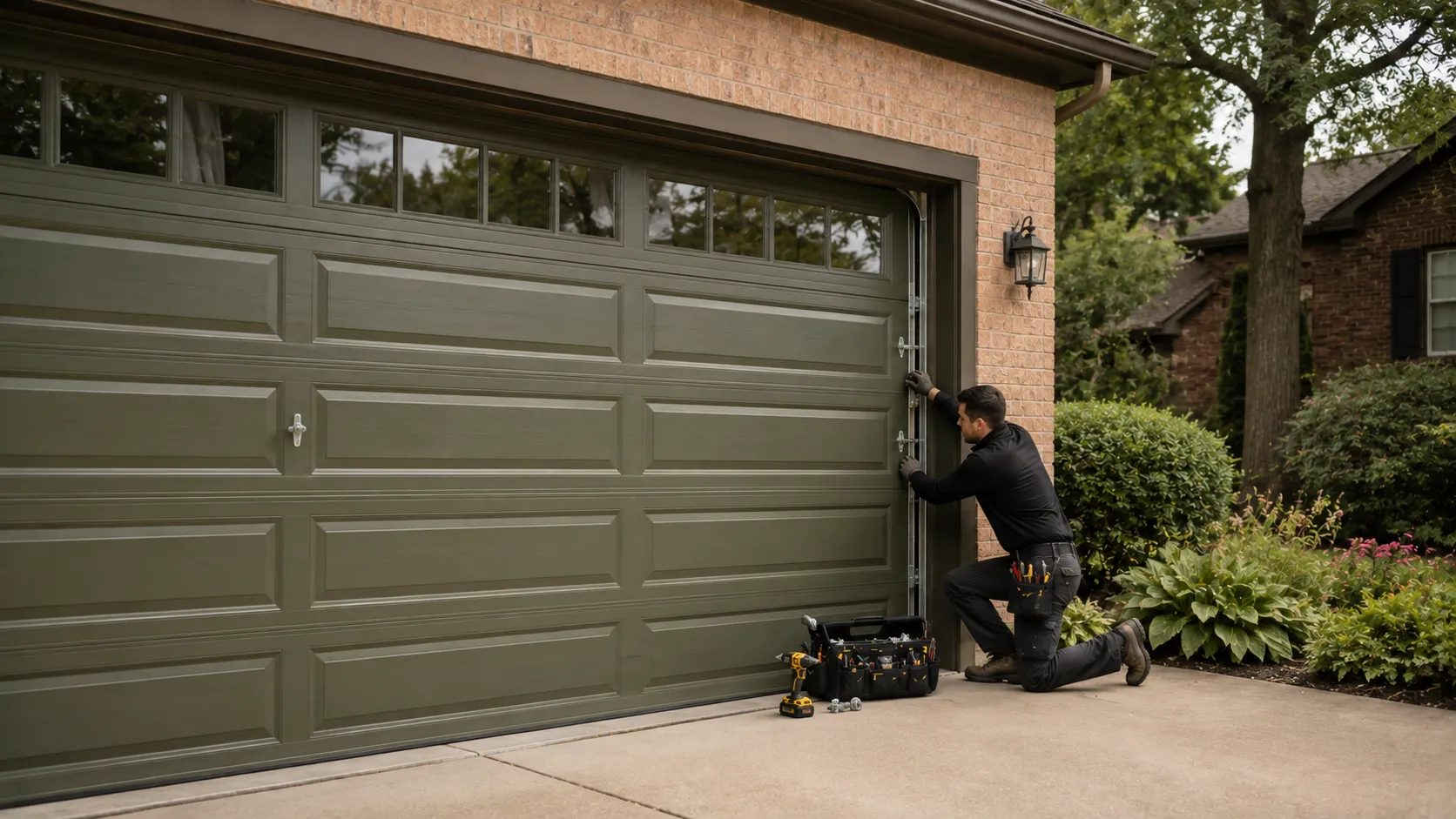
Rockvale isn't a place we drive through on a standing route. With around 508 households spread out here, most of our visits are scheduled trips out from Murfreesboro rather than a stop we're already making. That's fine - at 8 miles out, it's a short drive, not a special one, and we bundle Rockvale calls with other work in this part of the county when we can. Call and tell us roughly how old the door and opener are and whether anything's making noise, grinding, or hesitating. If you're not sure, that's fine too; a maintenance visit is built around us looking at the whole system, not just the one thing you noticed. We'll give you a window, not a guess. Because we're coming from Murfreesboro, same-day isn't something we promise here - if the door is still opening and closing, a maintenance appointment a few days out isn't going to hurt anything. If it's stuck, that's a different call, and we'll say so on the phone. For general service details for this specific address area, see the Rockvale service page linked below.
We don't upsell a maintenance visit into a bigger job on the spot. If we find something that needs more than adjustment or lubrication, we'll tell you what it is and let you decide when to act on it.
What It Costs
We don't post a flat number here because what a visit costs depends on what the door needs once we're looking at it, not on the town. What we can say is that Rockvale's newer housing stock generally means shorter maintenance visits than older neighborhoods - less rust to deal with, fewer worn-out original parts, more straightforward opener adjustments. That doesn't mean cheaper by default; it means the time on site tends to run lighter unless something specific has failed.
With median household income here around $80,750, most of what we see requested is standard maintenance rather than full system replacement, and that's usually the more cost-effective path anyway - a tuned-up door that's 15 years old with good hardware doesn't need to become a new door. We'll tell you plainly if a repair costs more than it's worth relative to replacing the unit, but on a house built in the last two decades, that's rarely where we land. Ask for a number specific to what's wrong when you call; a maintenance visit and a spring or opener repair are priced differently.
Doing It Yourself
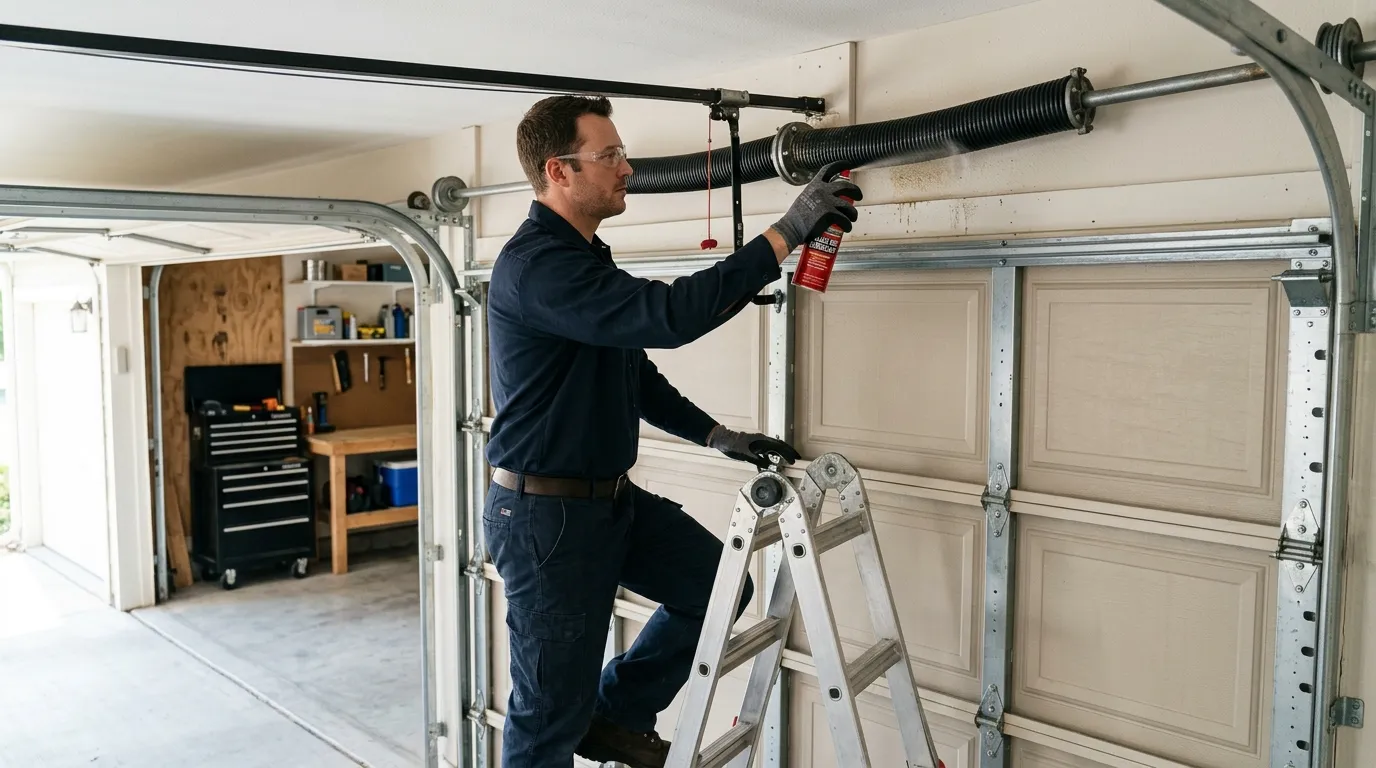
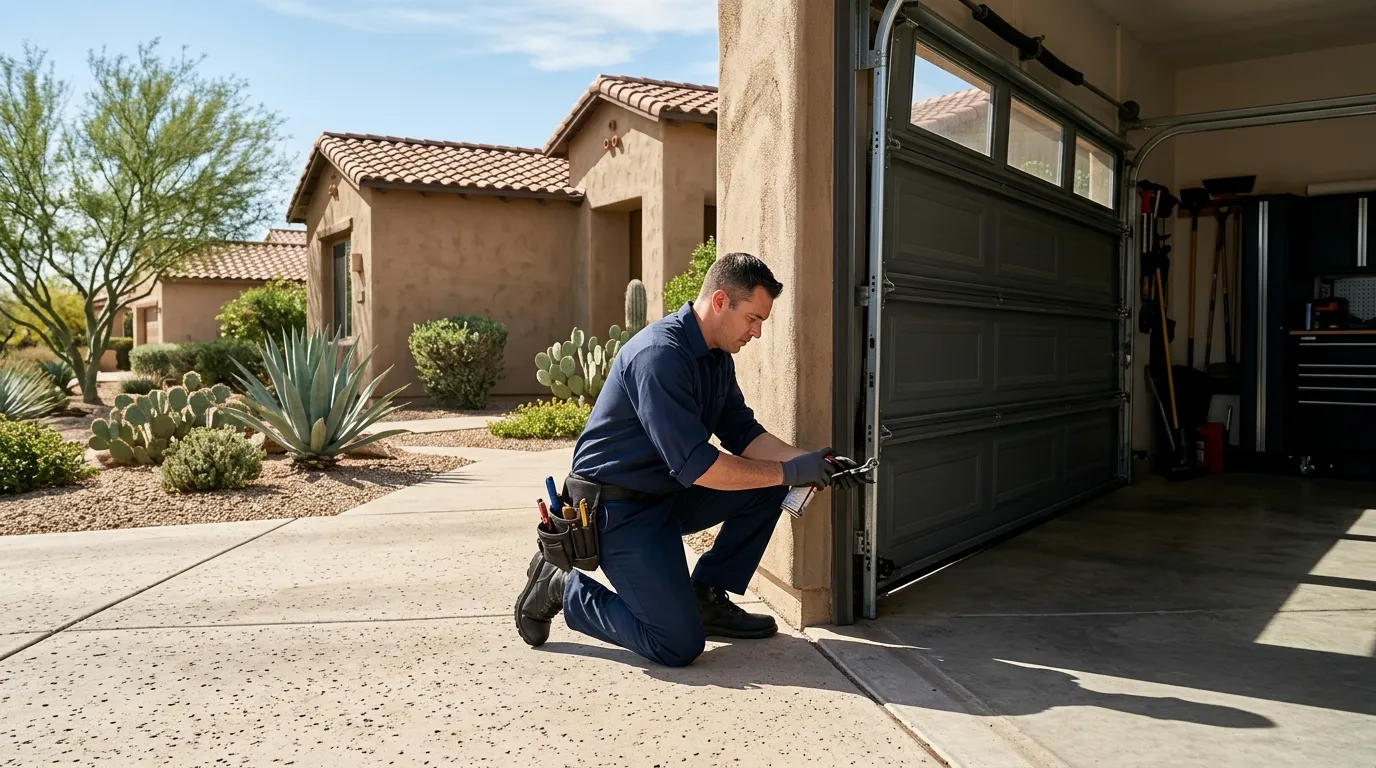
There's real maintenance you can do yourself between visits, and it's worth doing. Wipe down and lubricate the rollers and hinges with a garage-door-specific lubricant a couple times a year, especially heading into winter - this area gets cold enough that dried-out grease turns into a squeak and a drag by January. Check that the photo-eye sensors near the floor are clean and pointed at each other; a spider web or a nudged bracket is the single most common reason a newer opener refuses to close.
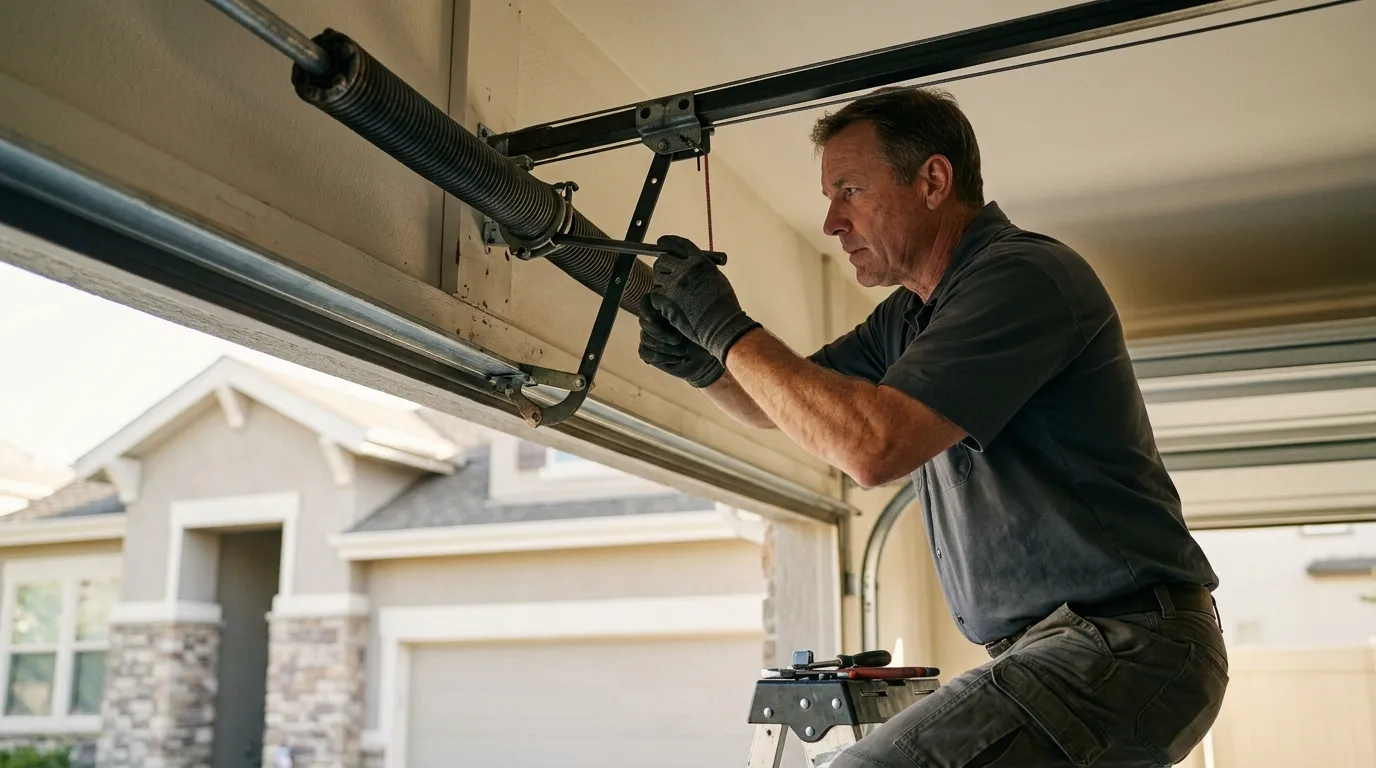
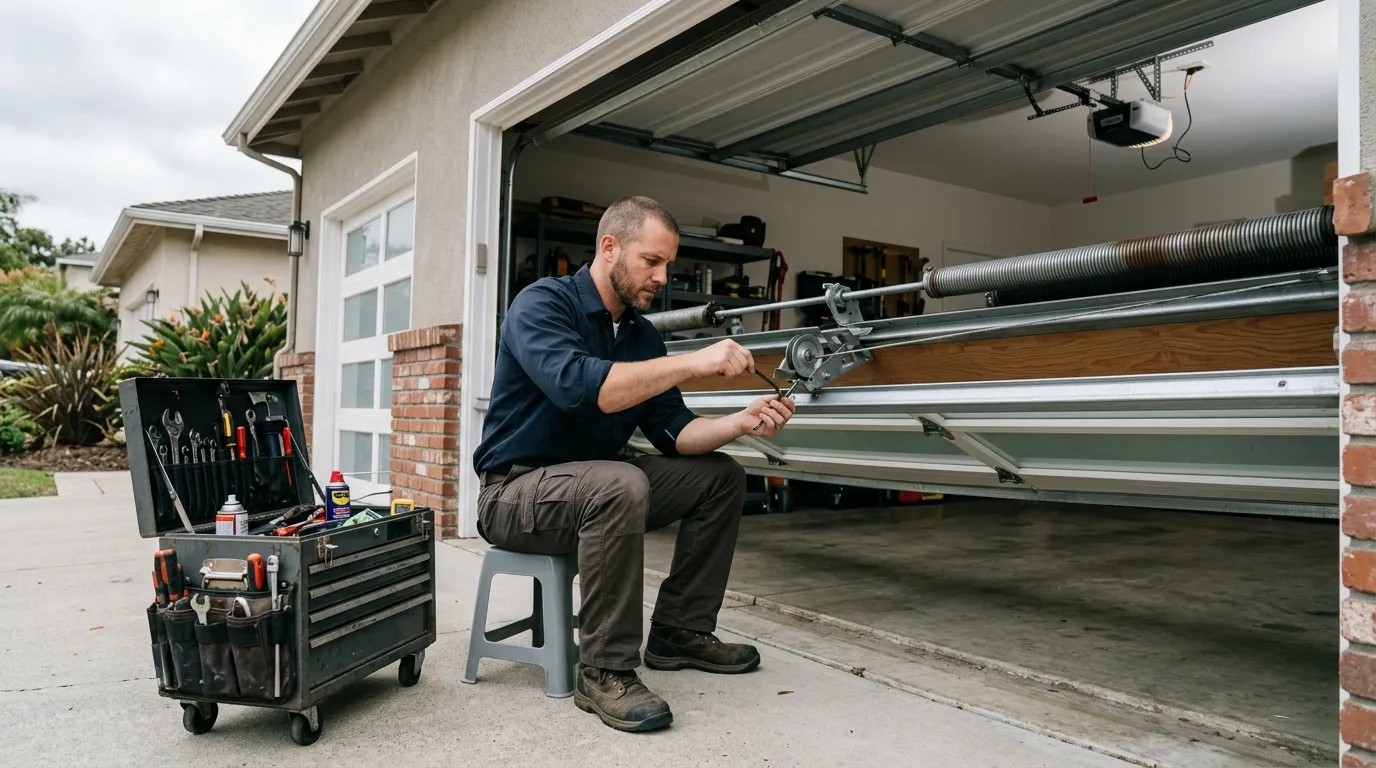
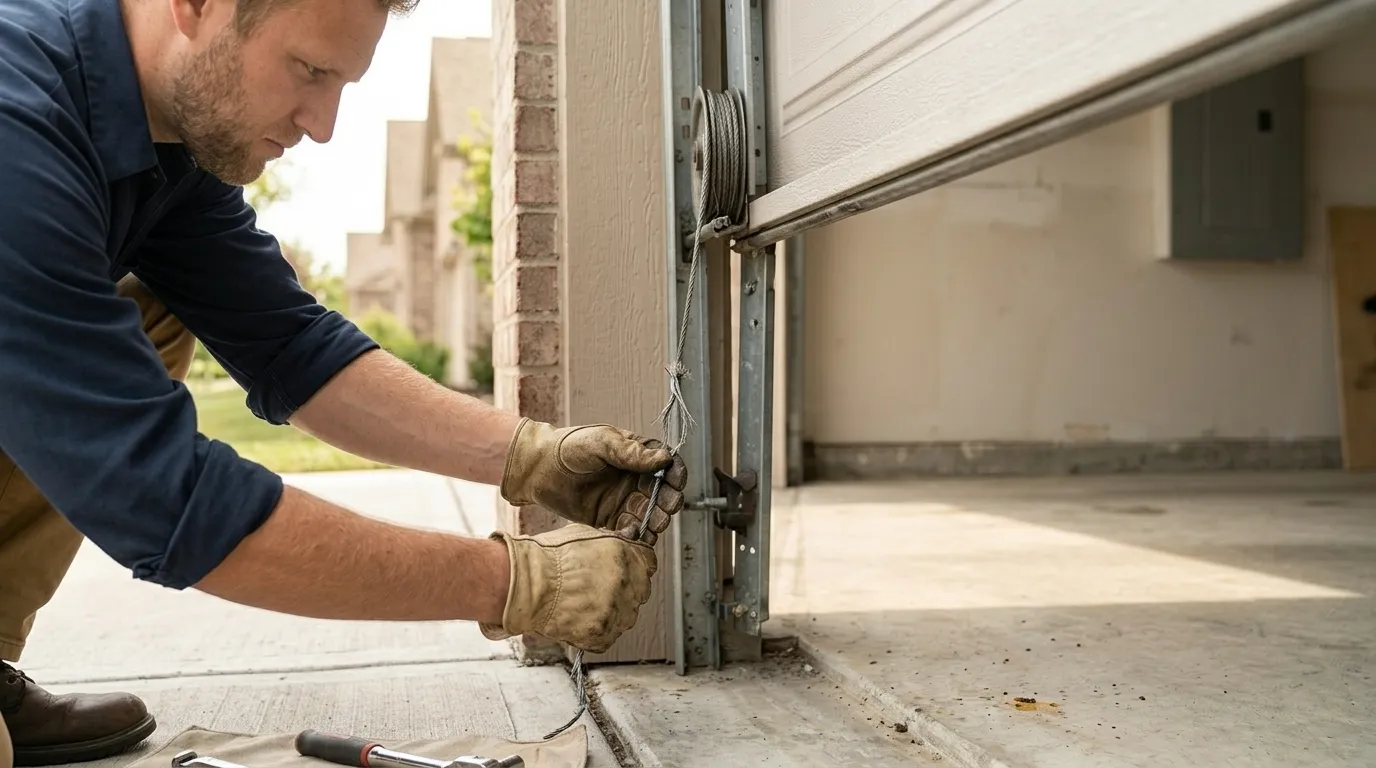
What you shouldn't touch yourself: the torsion spring and anything involving the high-tension cables. Those are under enough force to cause serious injury, and on a door this size, it's not a job for a Saturday afternoon and a socket set. If your opener's force settings feel off - the door reverses for no reason, or it doesn't stop cleanly on the floor - that's an adjustment, not a guess-and-check project. Test the auto-reverse safety feature yourself monthly: set something a couple inches high in the door's path and make sure it reverses on contact. If it doesn't, stop using the opener until that's fixed.