How to Book
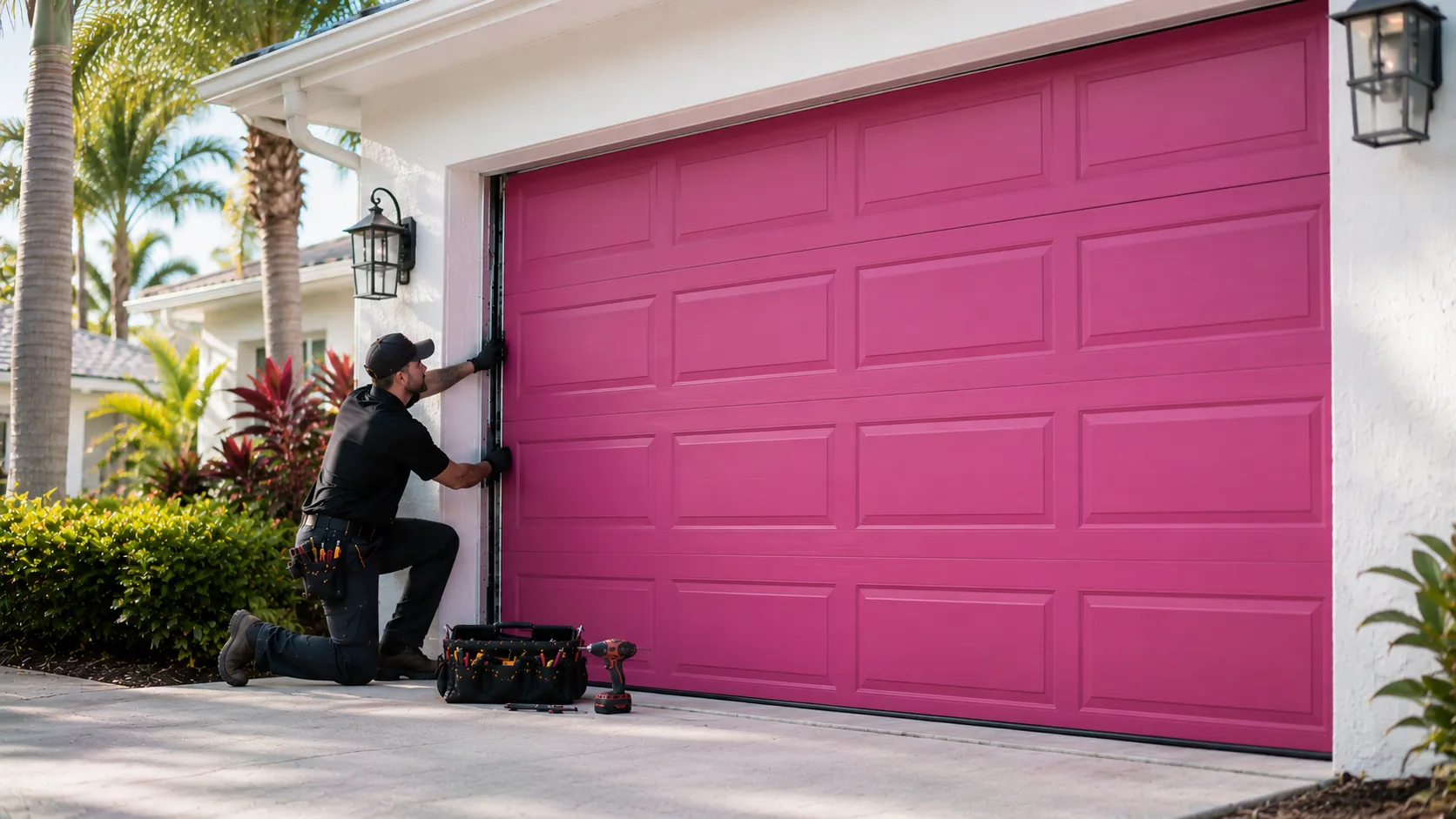
We work out of Murfreesboro and cover Rockvale as part of our regular route, about 8 miles out. There's no branch office here and no separate crew - the same trucks that handle the city side of the service area come out for Rockvale calls. Tell us the door's make, roughly how old the house is, and whether the noise is a grinding sound at the top of the track or a hard clunk when the door starts moving. That alone tells us a lot about whether we're dealing with worn rollers or something else, like a bent track or a spring going bad.
Because most homes out here were built well after 1994 - Rockvale's own median build year lands closer to 2006 - we're usually working with steel or nylon rollers on factory hardware that hasn't been touched, not the mix of older side-mount torsion setups you see in some of the other named areas around Murfreesboro. That narrows down what we bring on the truck before we even see the door.
Book by phone or through the Rockvale service page and we'll get a time on the calendar. If your issue turns out to be broader than rollers, we'll say so on site rather than guess over the phone.
What It Costs
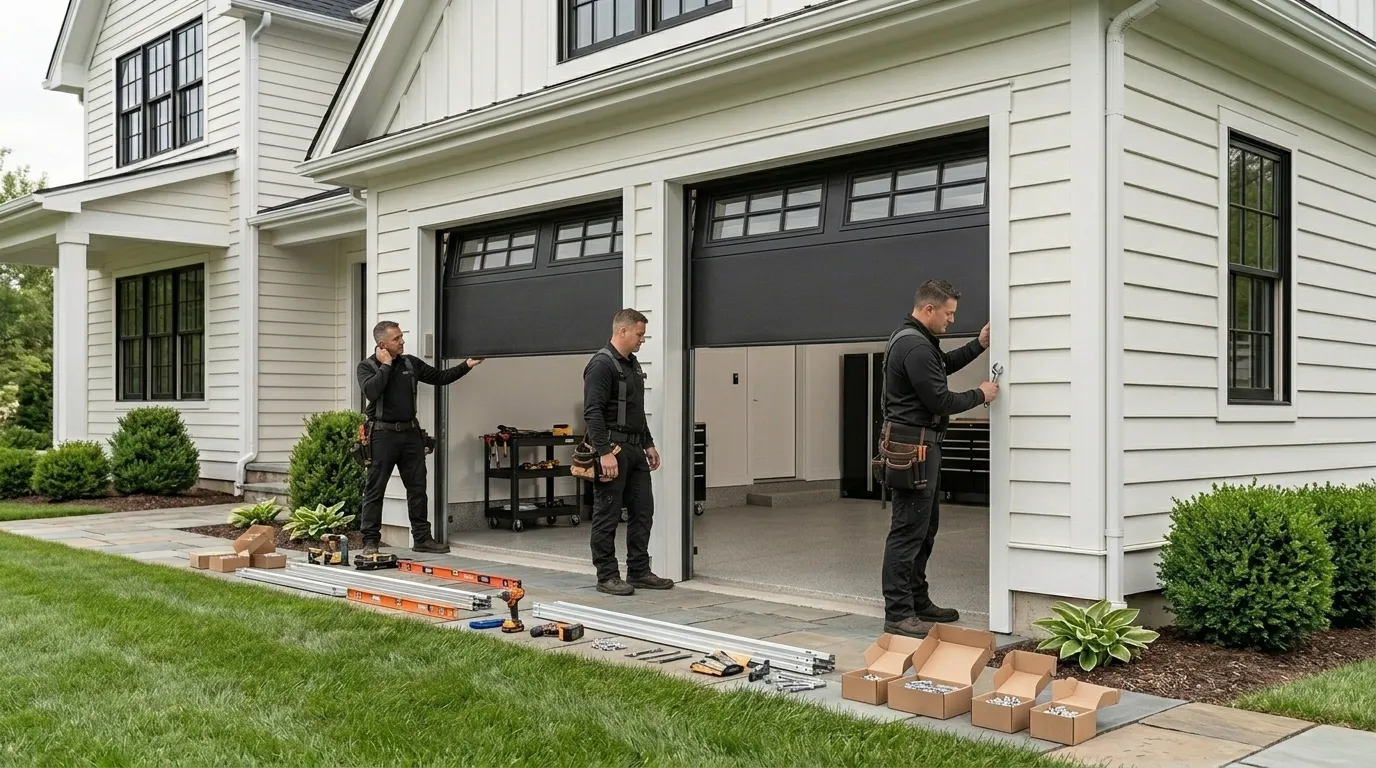
We don't quote roller replacement over the phone sight unseen, but the job scope is fairly predictable on newer stock like most of what's in Rockvale: a full set of 10 rollers on a double door, done on-site, without needing to replace track or hardware. Nylon roller upgrades over the original steel run higher per roller but quieter and no lubrication needed going forward, which matters if the door's near a bedroom wall.
Rockvale's median household income sits around $80,750, close to but a bit under the $84,310 median across the wider service area, and most of the roller jobs we run out here are straightforward - not the kind that turn into a track or spring replacement once we're inside the door. That keeps the job on the lower end of what a roller replacement runs, though we won't put a number on it here since we haven't seen your door.
What we can say: if you're getting quoted for a full new opener or door section to fix a roller noise, get a second look. On hardware this recent, that's rarely the right fix.
Doing It Yourself
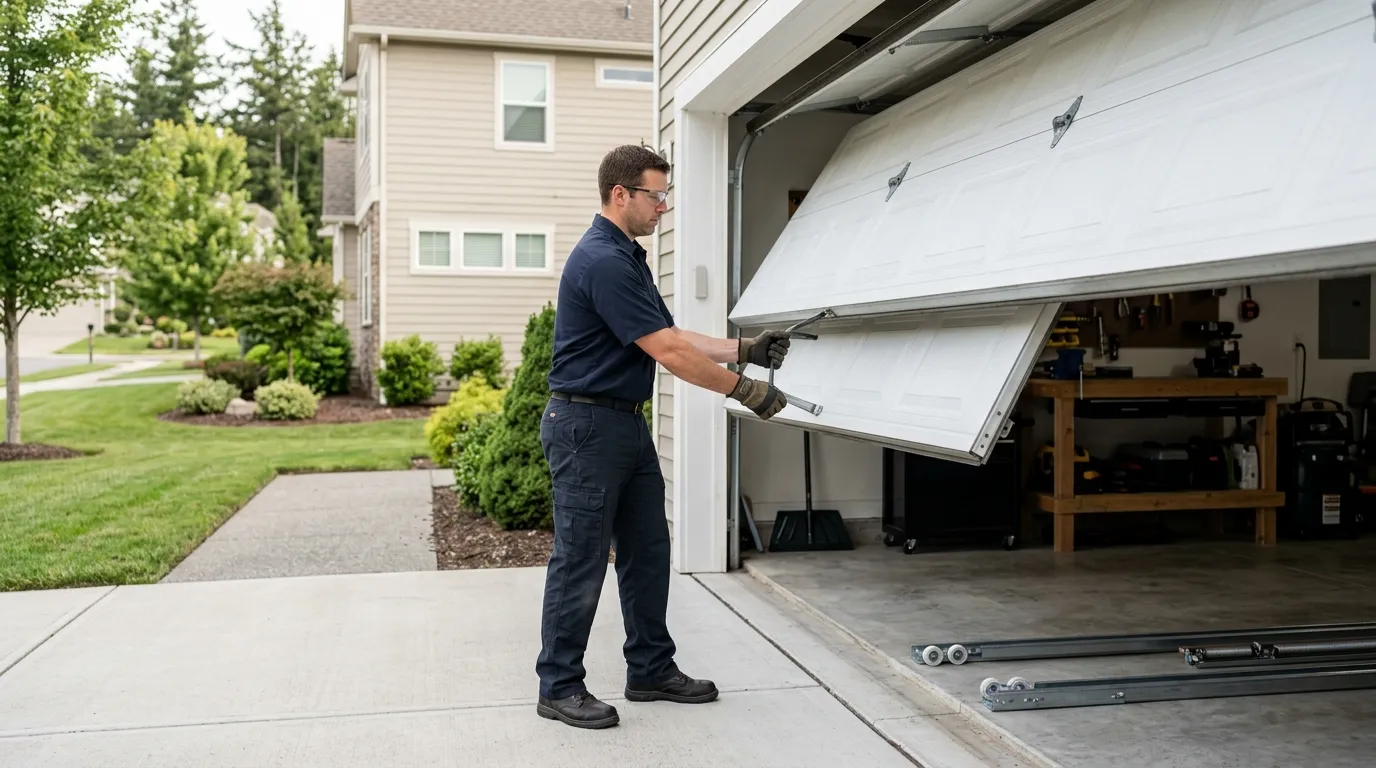
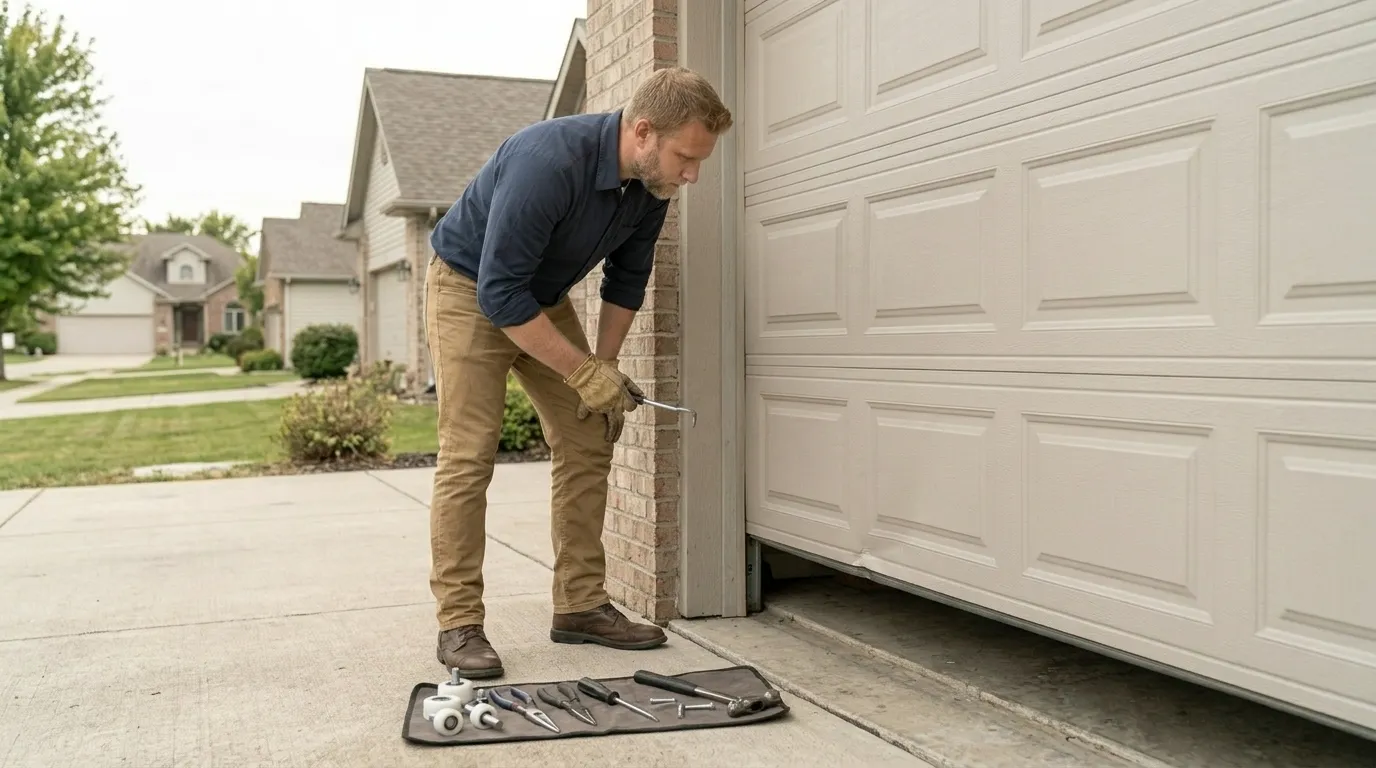
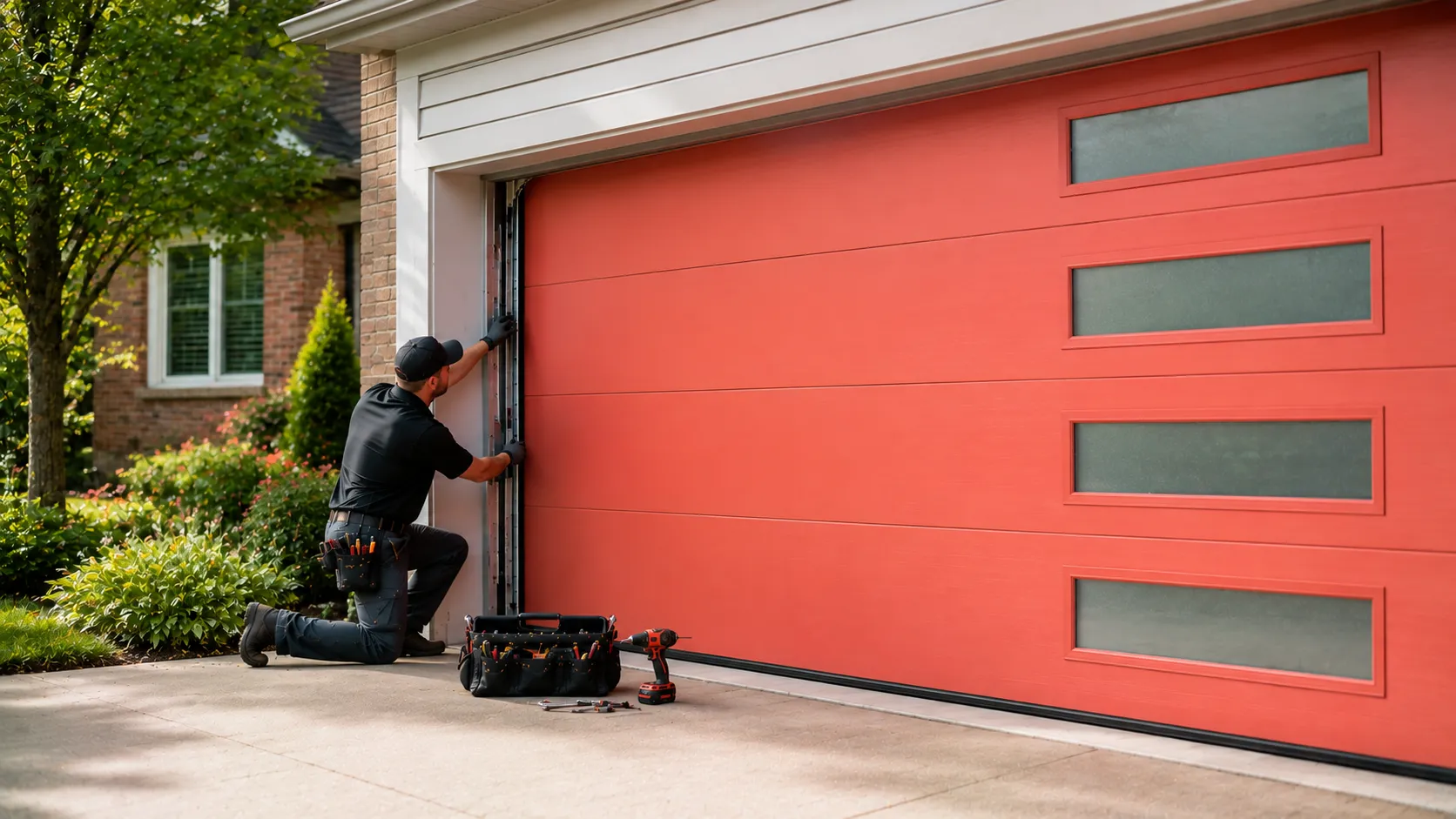
Rollers are one of the more DIY-friendly parts on a garage door, and on a 2006-era build the hardware is usually accessible without any surprises - no rusted-through brackets, no obsolete roller size. If you're comfortable with a socket wrench and know how to keep tension off the door while you work, swapping a single worn roller on the bottom section is a reasonable weekend job.
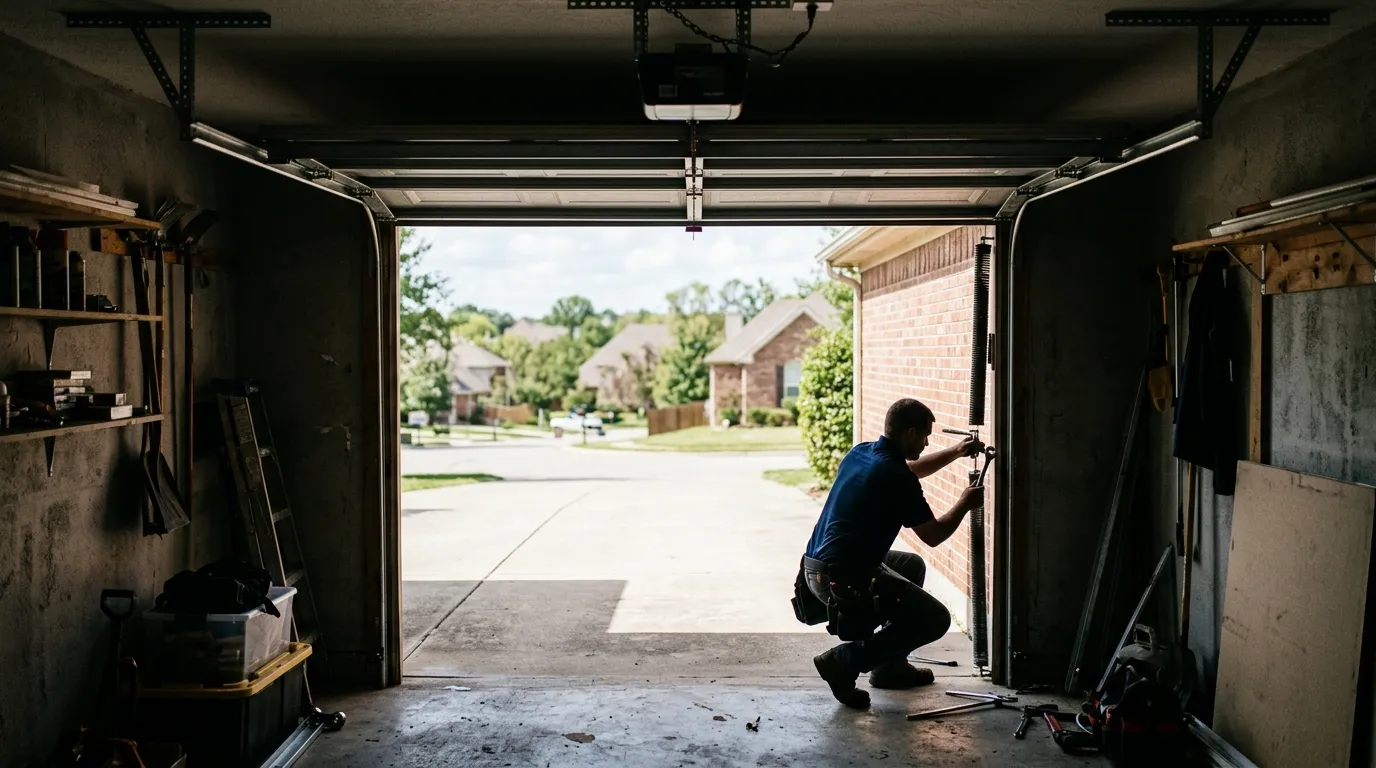
Where it stops being a DIY job: rollers near the top of the door, close to the spring assembly, or on a door where one whole side is grinding rather than just a single roller. Pulling a top roller means dealing with cable and pulley tension, and that's where fingers get pinched and doors come off track. If more than two or three rollers on one side are shot, that's usually a sign the track's out of alignment too, and that's not a job to diagnose from a ladder.
If you're not sure which kind of job you've got, describe what you're hearing when you call - we'd rather talk you through a five-minute fix than drive out for something you could've handled yourself.