
What It Costs
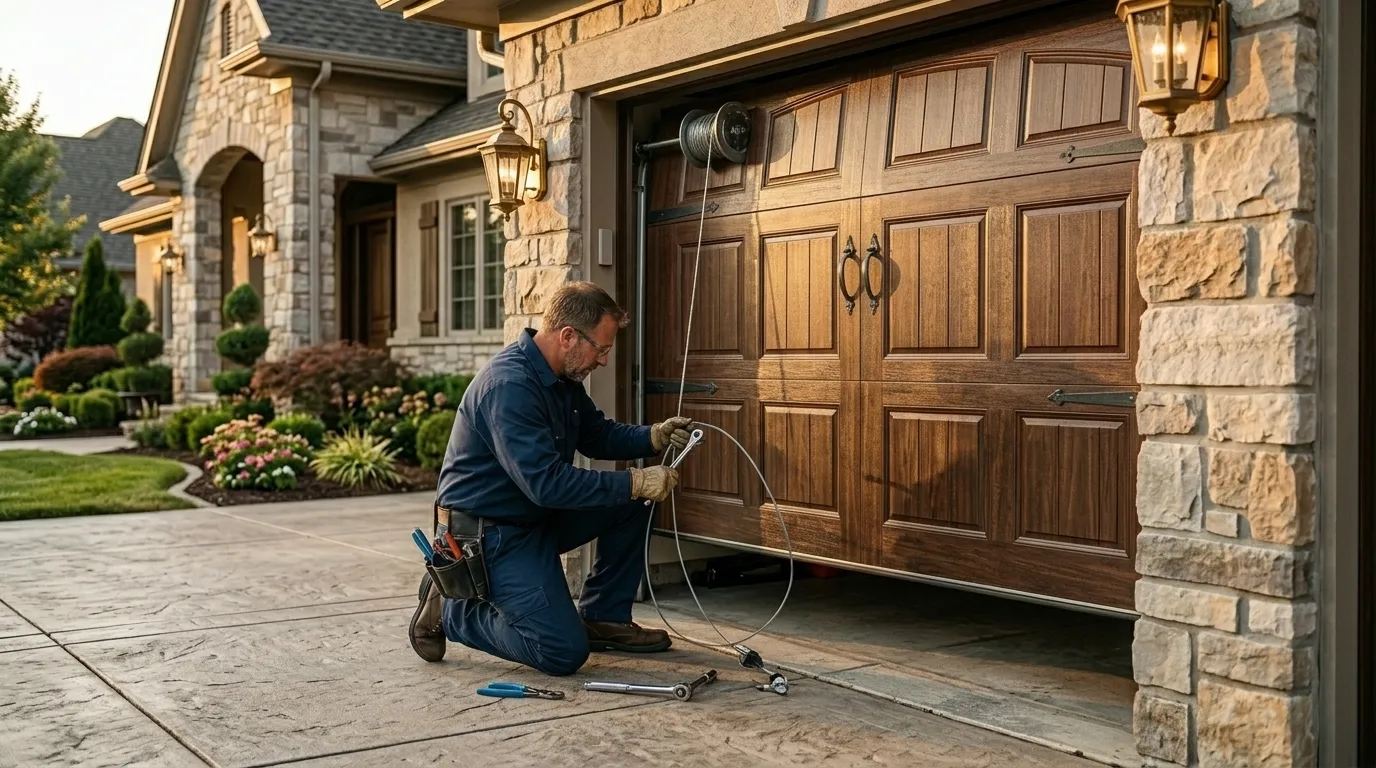
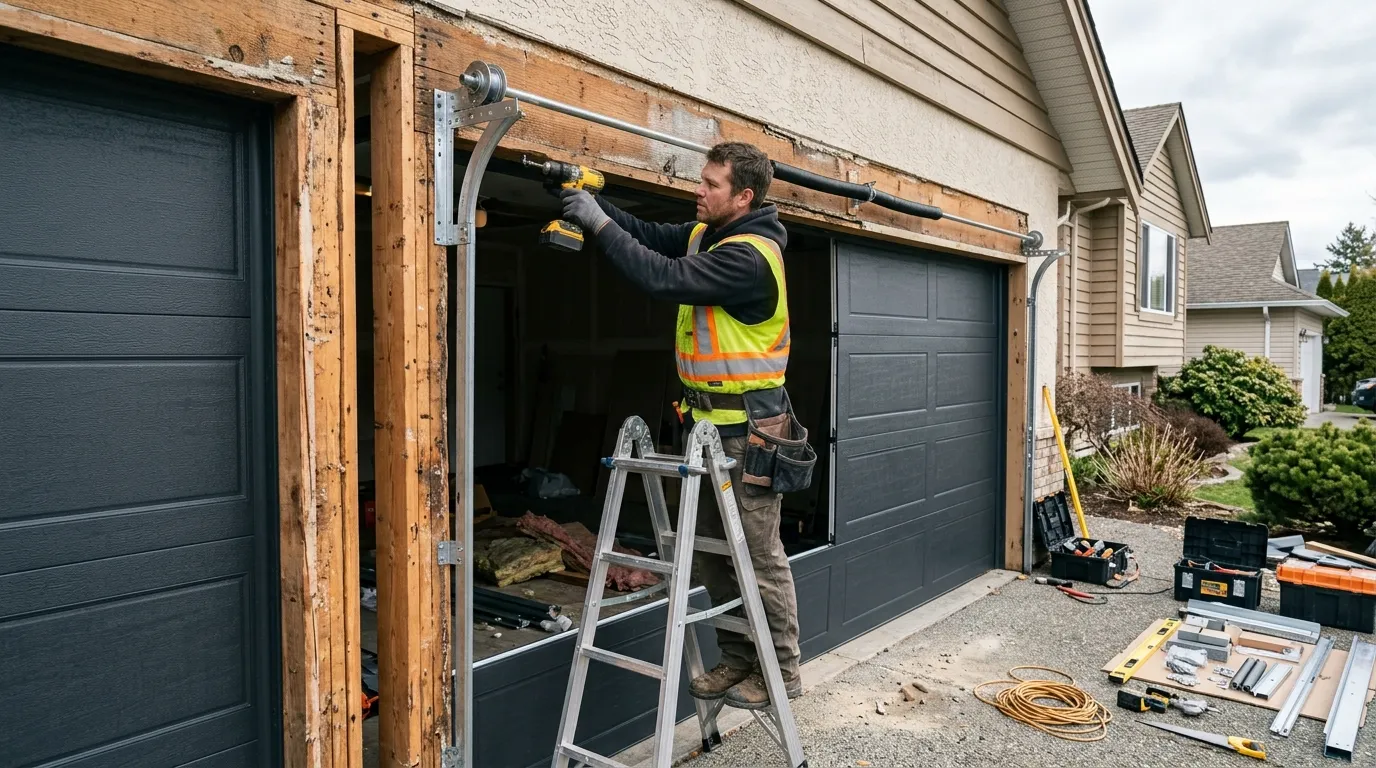
Most of the commercial doors we run into around Eagleville are 8-by-8 or 10-by-10 steel sectional units, the kind that went up alongside the houses when this pocket built out through the 1980s and 90s. A shop or outbuilding put up in that window usually has a single torsion spring, a lightweight track, and a chain-drive opener that was fine for occasional use but wasn't built for a business opening and closing it a dozen times a day. That mismatch between residential-grade hardware and commercial-frequency use is what drives most of the repair calls here. We can't post a number without seeing the door - a snapped cable on a single spring setup is a different job than a bent track on a door that's been run off its rollers for a season - but the driver is almost always which of those two categories you're in, not the size of the building. If the opener and springs are original to a 1991-era structure, expect the conversation to include whether it's worth replacing the whole assembly rather than patching one part of it.
How Long It Takes
Eagleville sits about 15 miles from our shop in Murfreesboro, so any visit here gets built into the route rather than dispatched on the spot. A straightforward spring or cable repair on a standard sectional door is usually a single visit once we're on site. A part that isn't on the truck - a specific opener board, a non-standard track bracket - means a return trip once it's ordered in. We don't promise a same-day window for this stretch of the service area; the honest answer is that a call placed in the morning has a better shot at getting worked in than one placed at the end of the day, simply because of the drive. If the door is down and blocking a bay you need open for business, say so when you call - that changes how the day gets routed.
Doing It Yourself
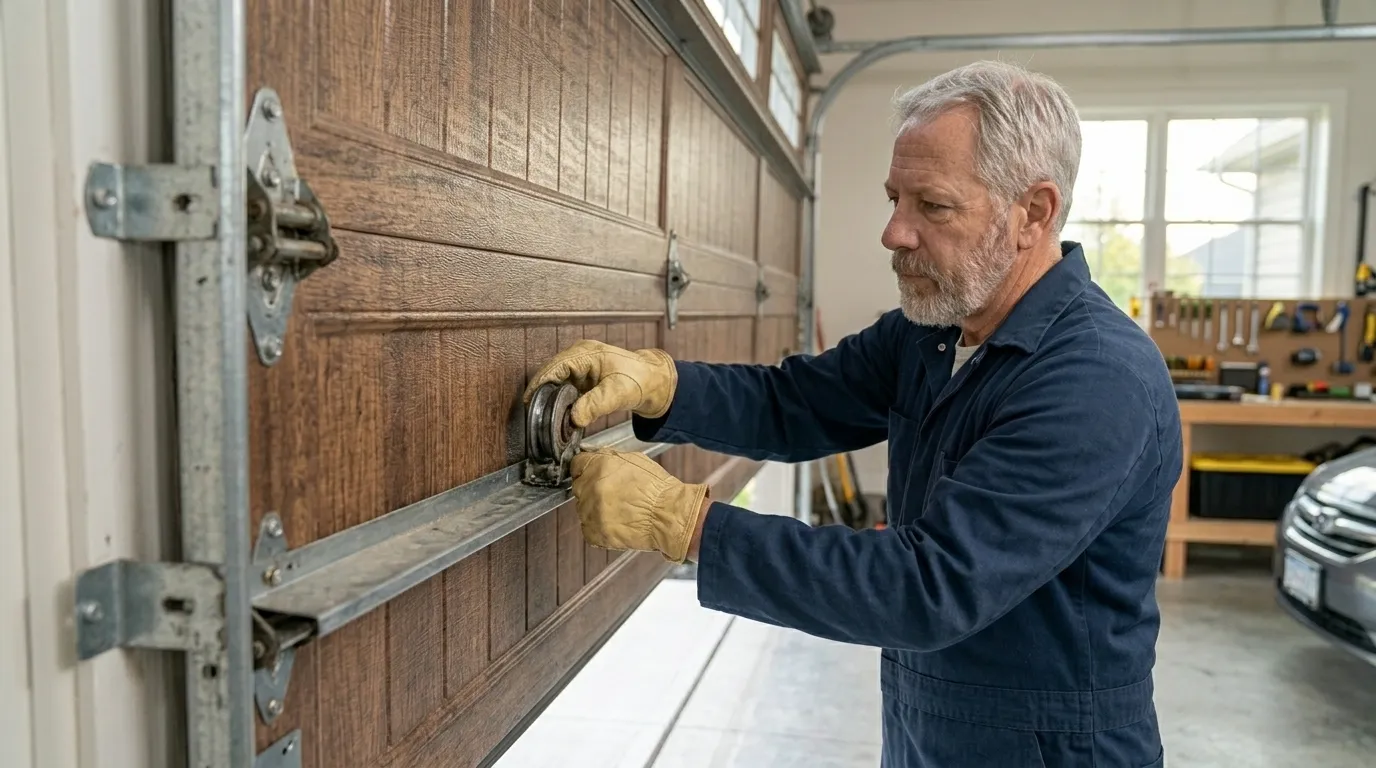
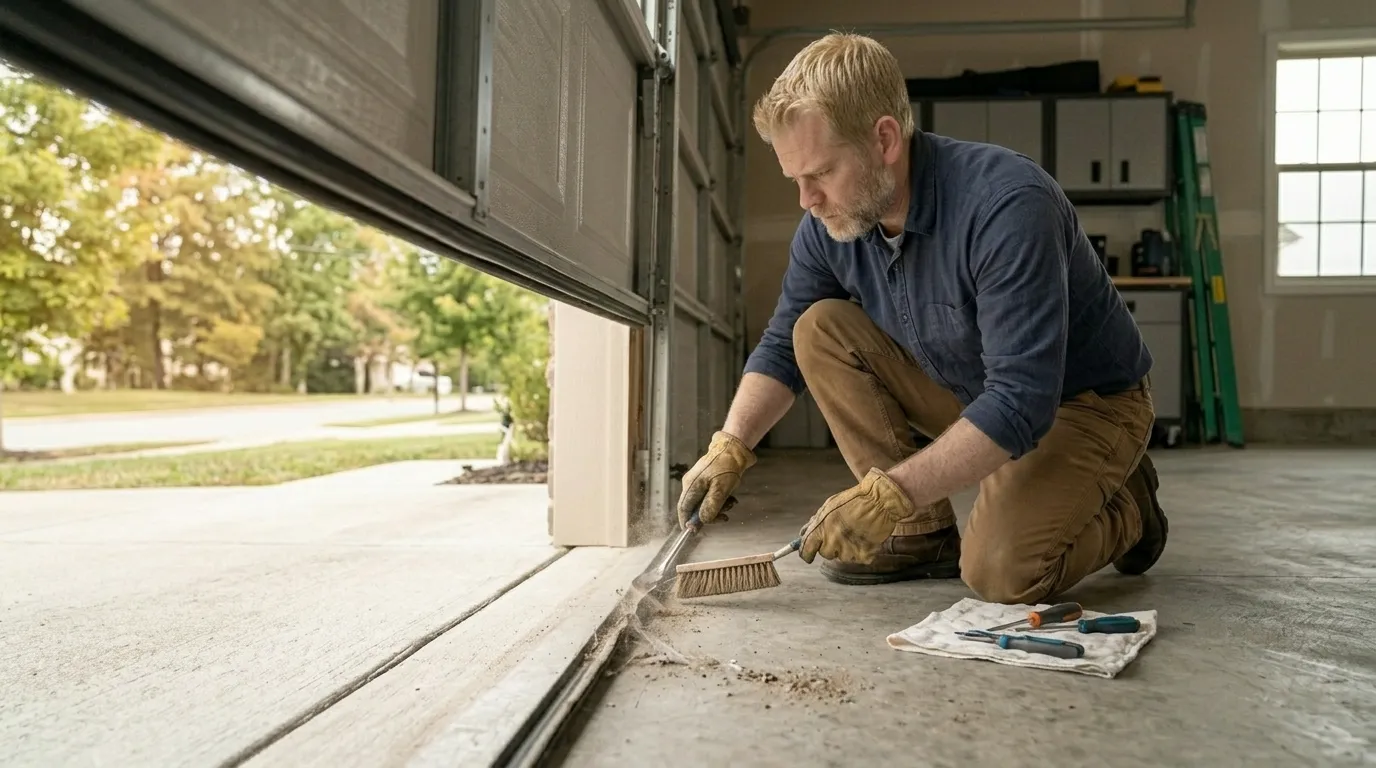
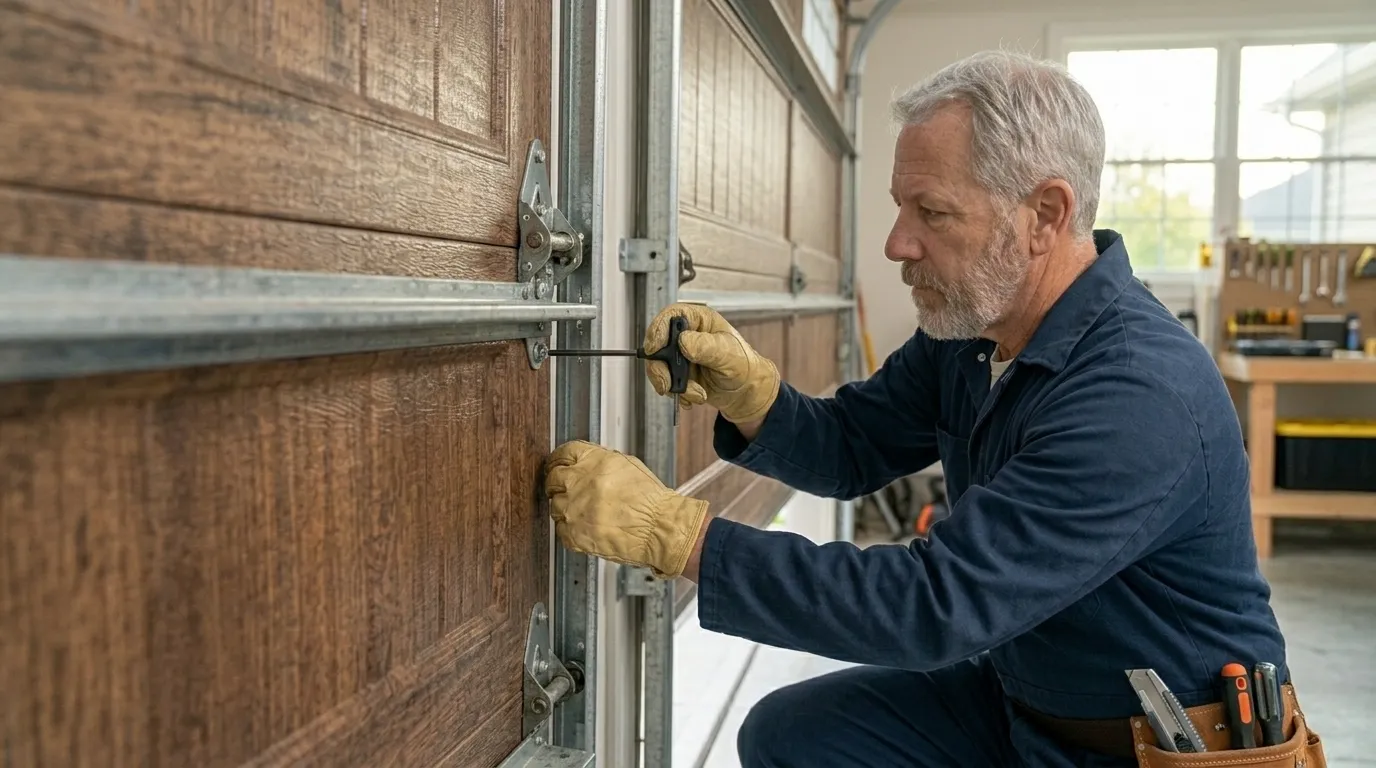
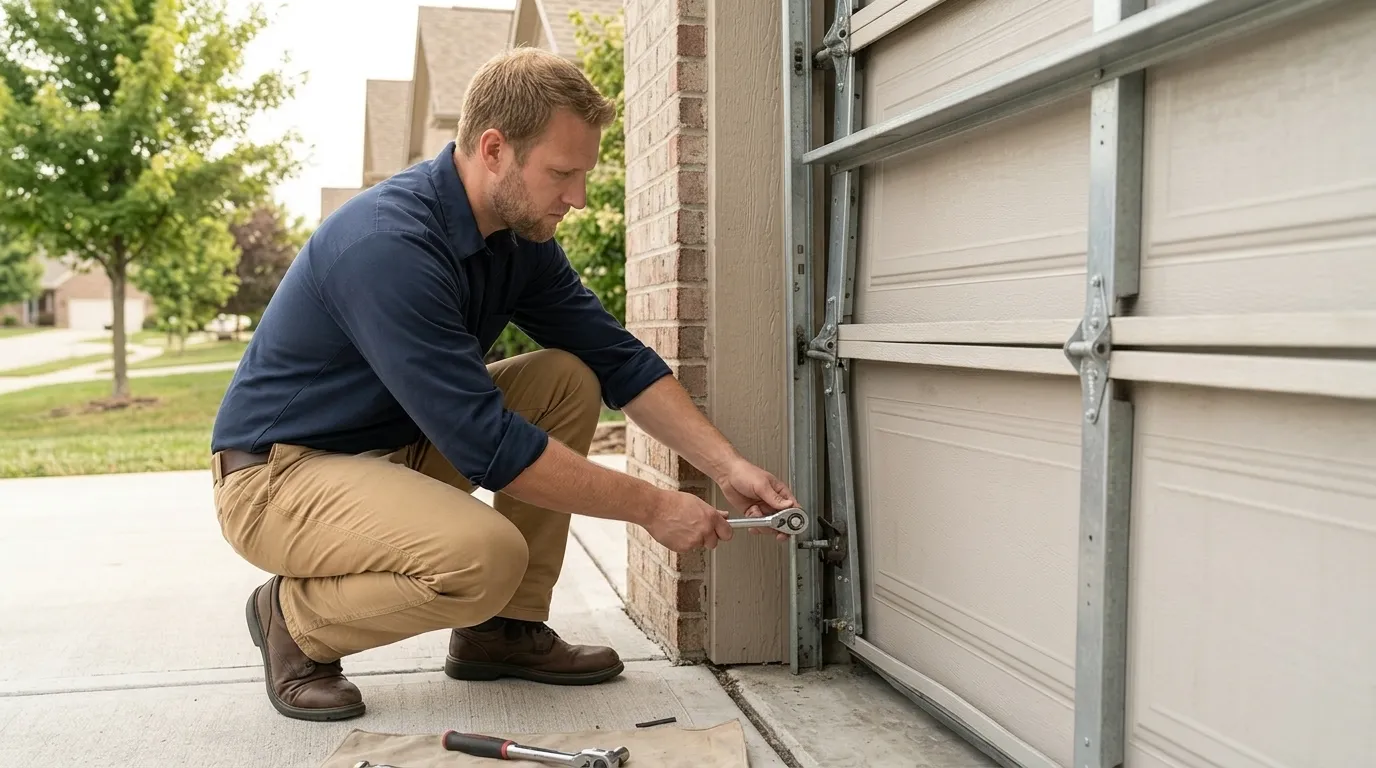
A torsion spring under load can put someone in the hospital, and on the older single-spring setups common to buildings from this era, there's no second spring holding tension if the first one lets go while you're working on it. Cables and rollers are a different story - if you can see a frayed cable or a roller that's chewed through its track, replacing it is within reach for someone comfortable with a ladder and hand tools, provided the door is fully down and the opener is unplugged. Where we'd tell you to stop: anything involving the spring itself, the drum, or the shaft. Those parts store energy, and on a commercial door that's been cycling daily for two decades, the hardware holding that energy is often more worn than it looks. If you're not sure which category your problem falls into, that uncertainty is itself the answer - call it in.