What It Costs
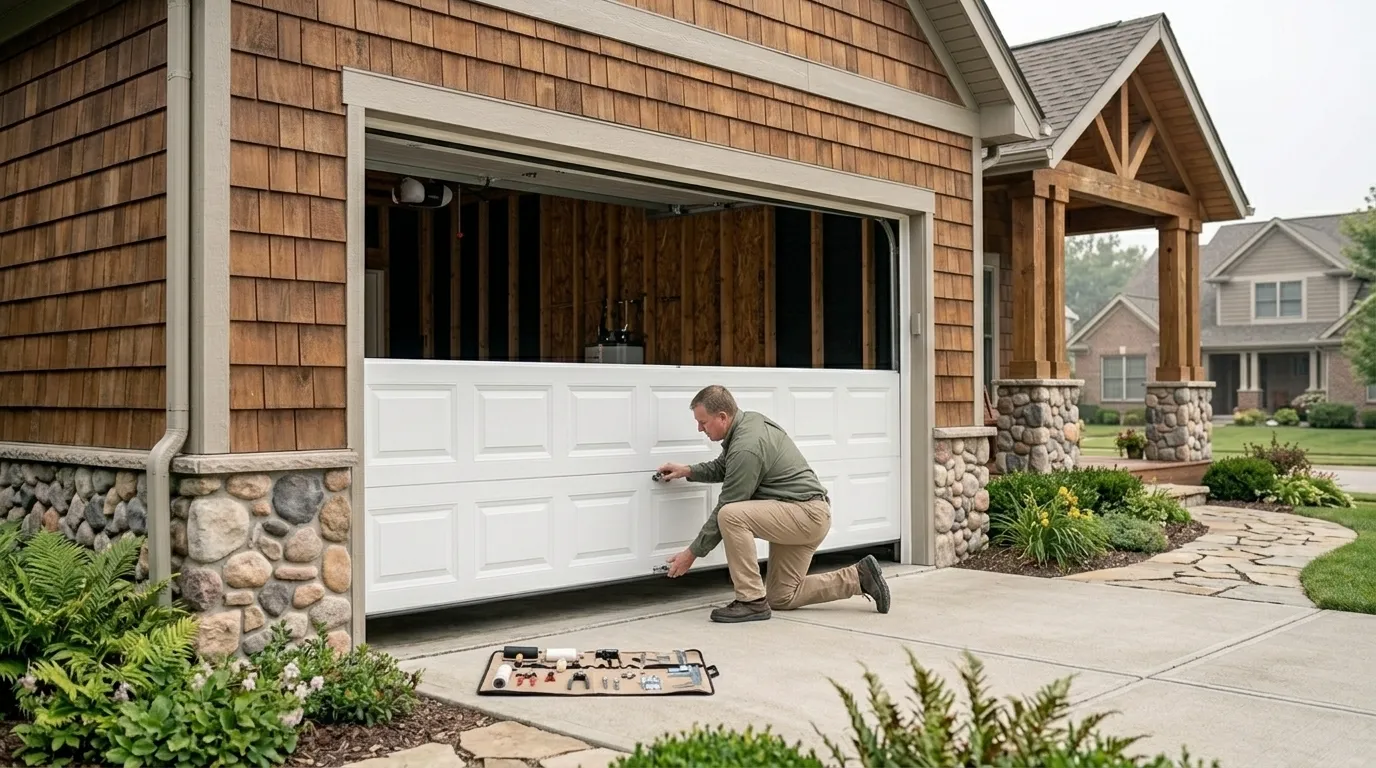
We don't quote a flat number over the phone for Eagleville jobs, and we won't pretend to here. What we can tell you is what drives the number once we're on-site: the age of the door, whether the spring is torsion or extension, and whether the opener is original to the house. Eagleville's median build year sits around 1991, a touch earlier than the 1994 median across the wider Murfreesboro service area, which means more of these doors are on their second or third spring rather than the first. Older torsion hardware sometimes needs a drum or cable swapped alongside the spring, which changes the bill from a simple spring job to a full hardware job. There's also the drive: Eagleville sits about 15 miles out from Murfreesboro, and that trip gets folded into how a visit is scheduled, not into a hidden fee. We walk the actual job with you before any work starts, and the number you agree to is the number you pay - no add-ons discovered halfway through.
How Long It Takes
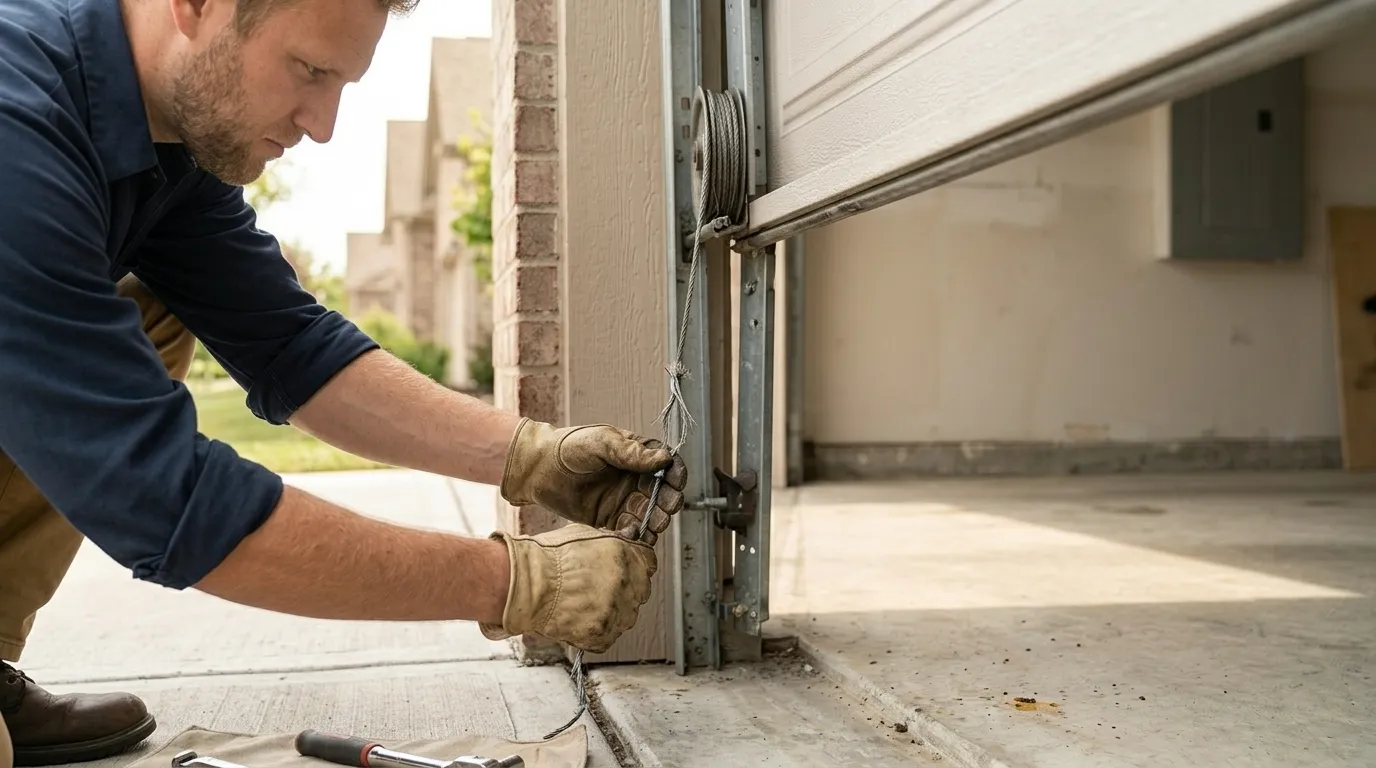
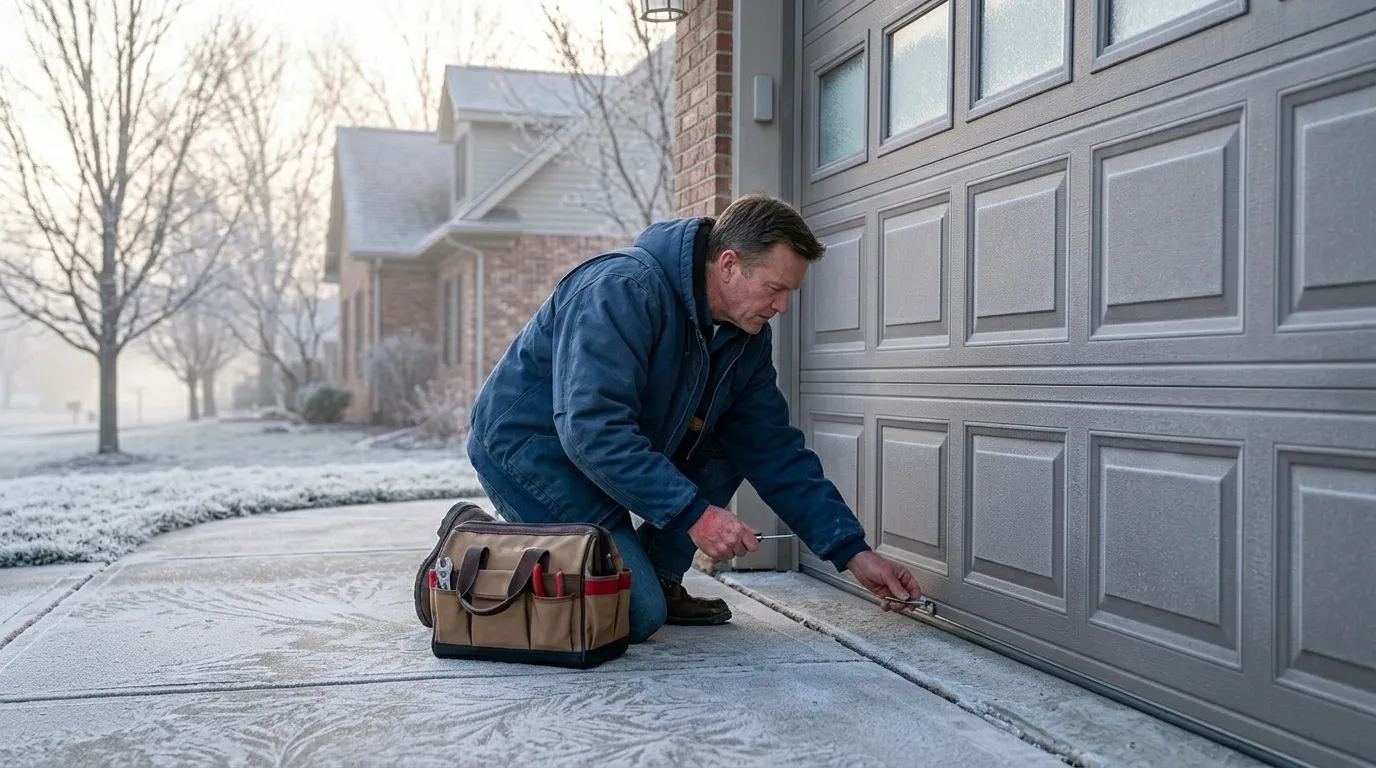
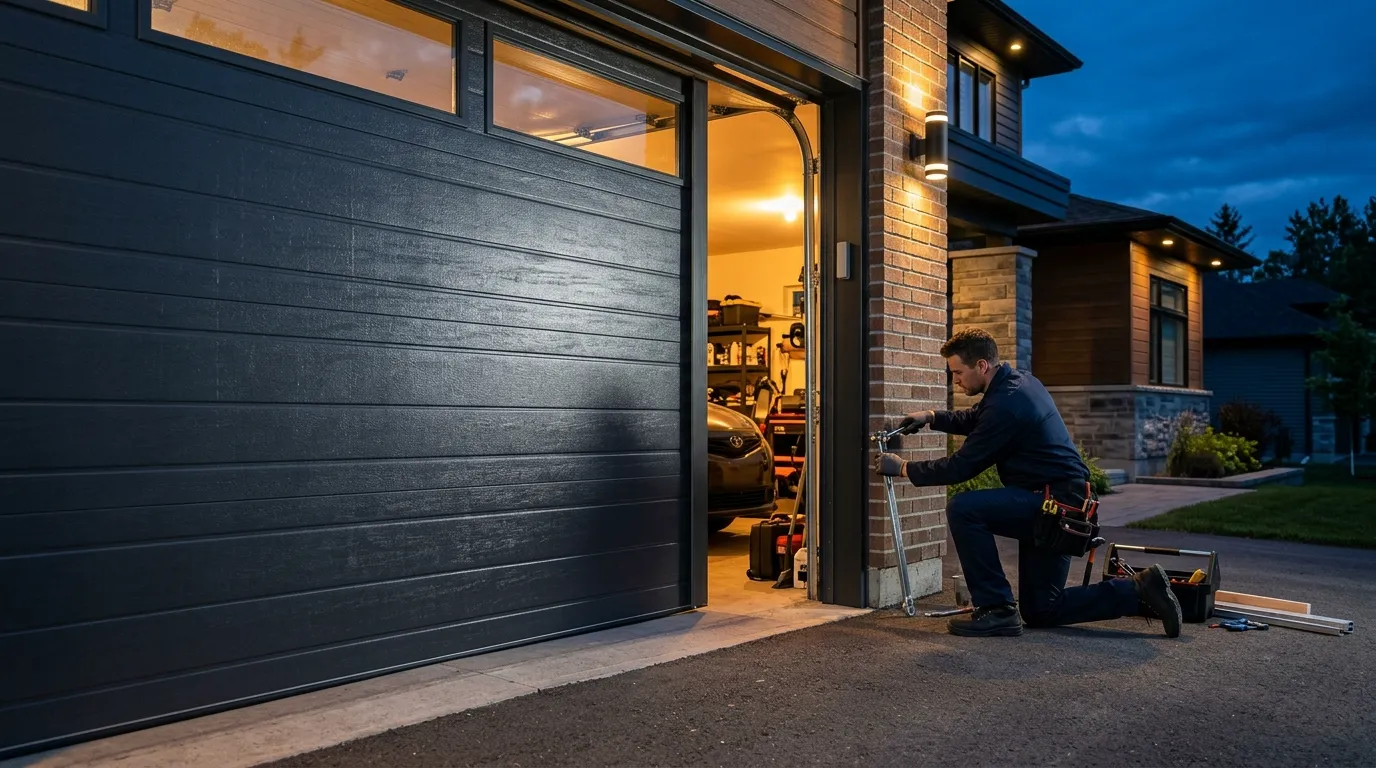
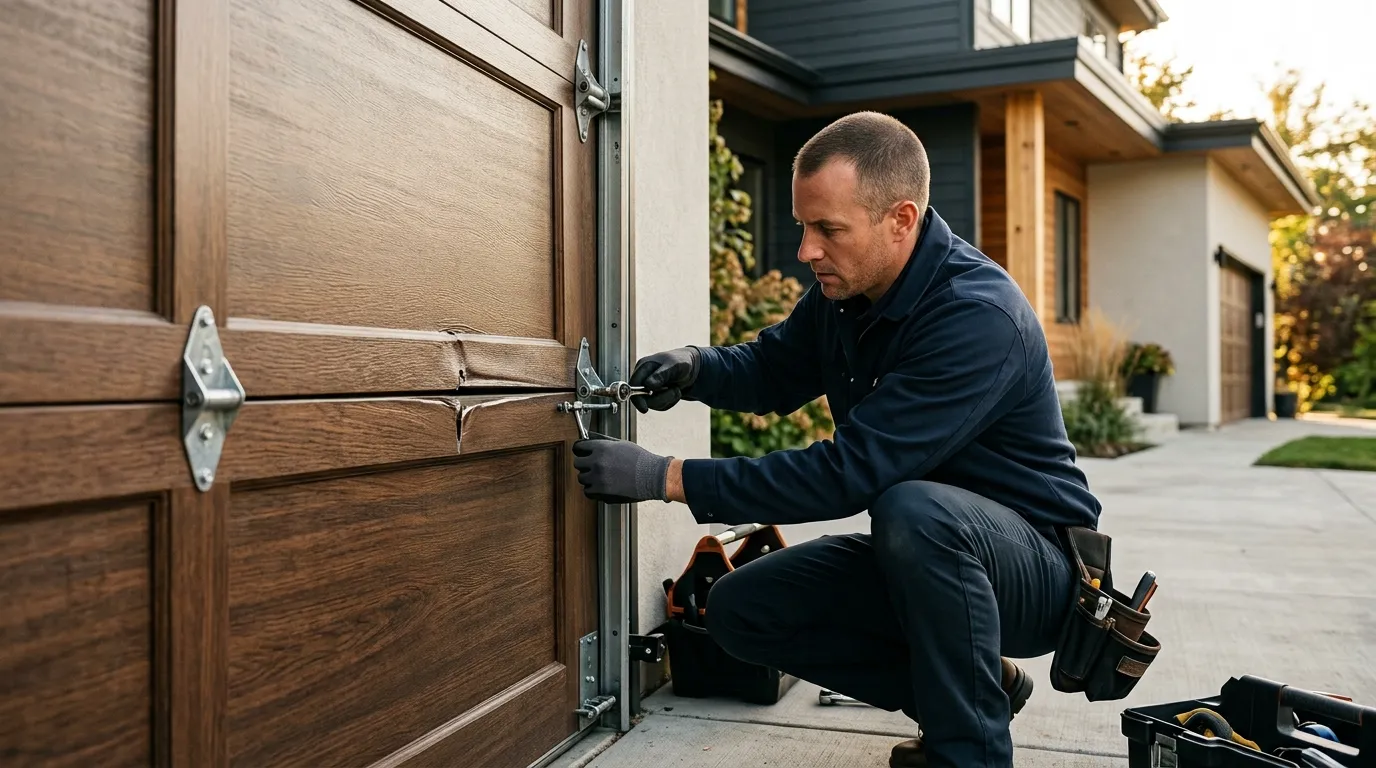
A straightforward torsion spring replacement on a door built around 1991 usually runs under two hours once the truck is on-site. What takes longer is anything involving a bent track or a panel that has to be matched, because Eagleville doors from that build wave sometimes carry sizes that aren't on the truck by default and need a return trip. The 15-mile drive from Murfreesboro is part of scheduling a visit, not part of the job itself, and we don't promise a same-day window here - we'll give you a realistic slot when you call rather than a number we can't keep. Weather plays a role too: in the colder stretch of the year, a stiff torsion spring or a frozen track takes a little longer to diagnose safely than it would in warmer months. If the job turns out to need a part we don't carry, that adds a day or two for the order, and we'll say so up front rather than after we've started.
Doing It Yourself
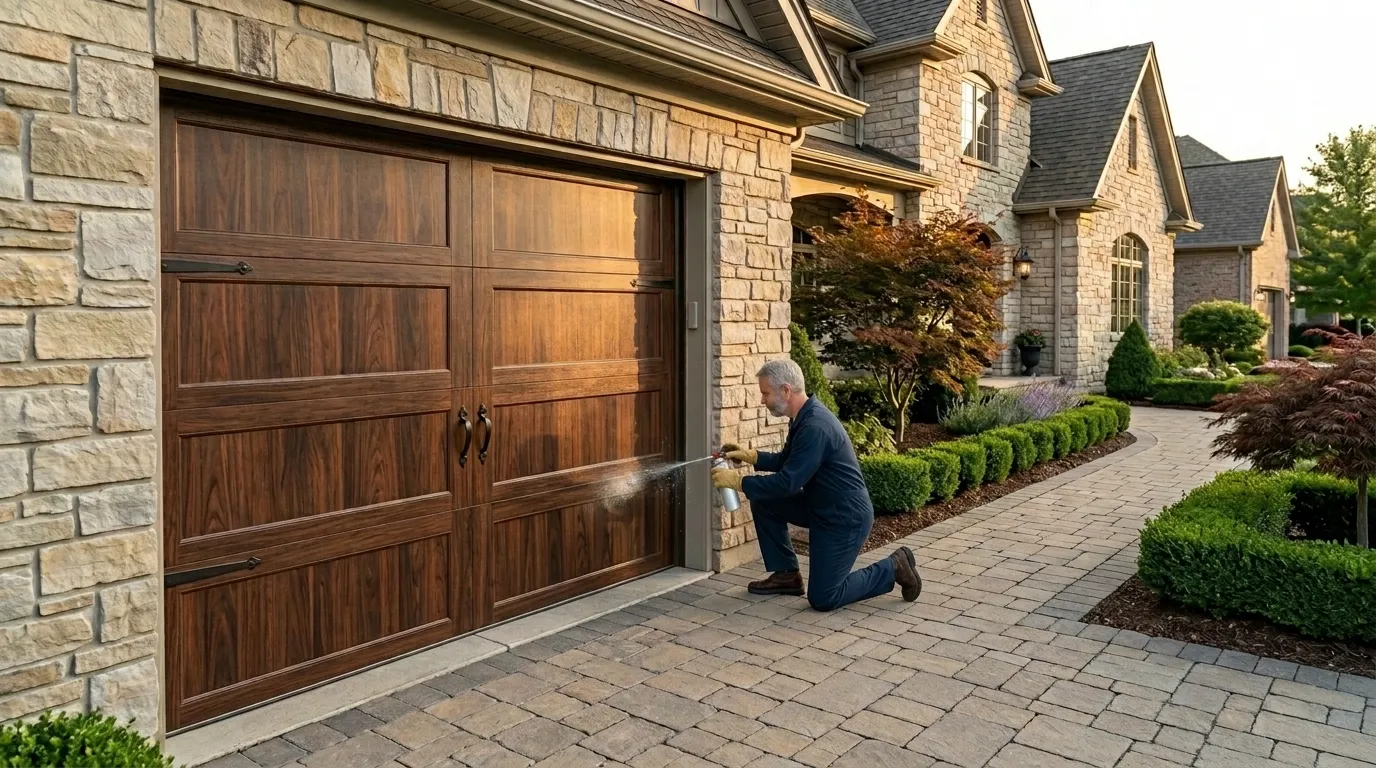
There's a real line between what a homeowner should do and what needs a call. Lubricating rollers and hinges, tightening loose bracket bolts, and clearing the track of leaves or debris are all fine to do yourself, and they extend the life of a door built decades ago more than anything else. Testing balance - lifting the door halfway by hand and seeing if it holds - is also safe and worth doing twice a year. What's not worth attempting is anything involving the torsion spring itself. A wound torsion spring holds enough stored force to break bones or worse if the winding bar slips, and on a house from the early '90s that spring has usually been under tension for thirty-plus years without replacement. If your door won't lift, or lifts unevenly, or the spring looks stretched or gapped, that's a call, not a project. We'd rather lose a small job to your own toolbox than have you get hurt on the one job that isn't a DIY job.