What It Costs
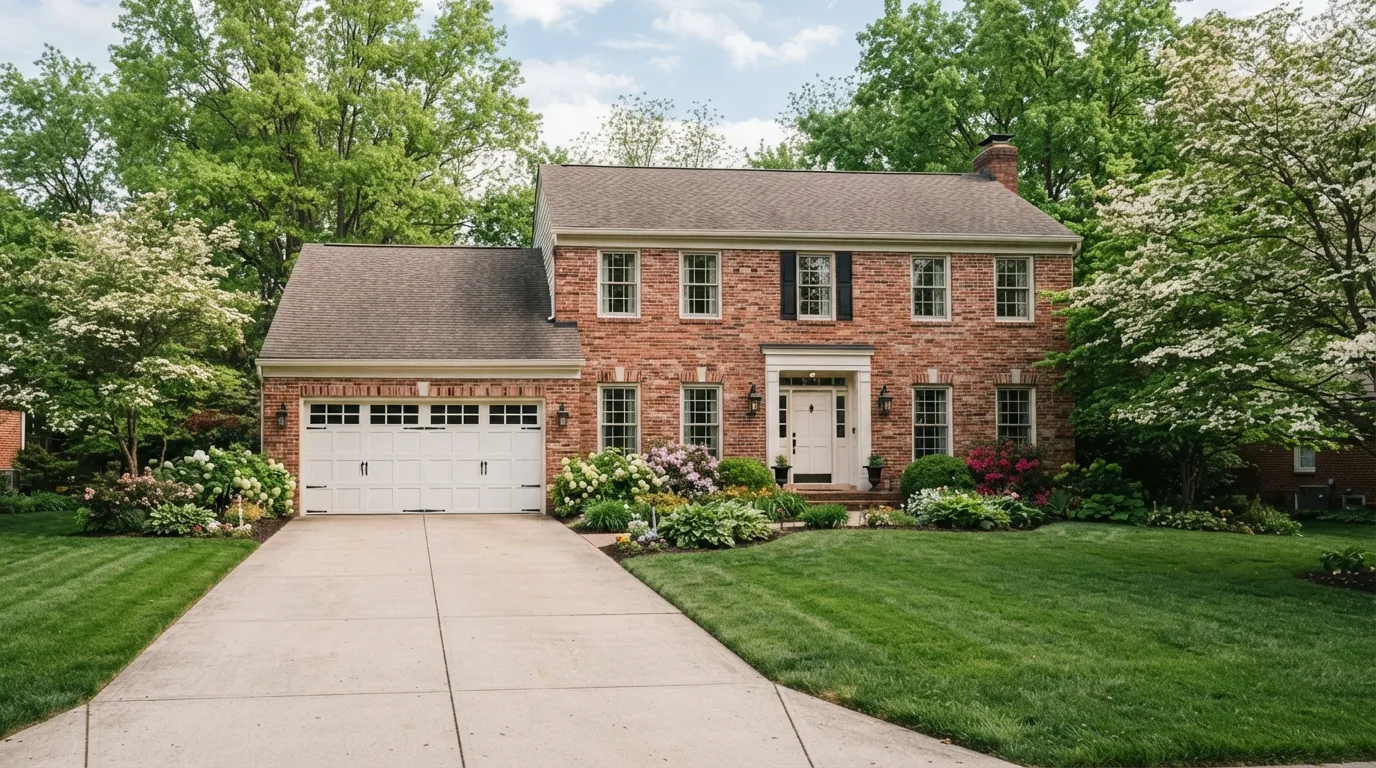
Most houses in Eagleville went up around 1991, which puts the original garage door and its opener well past thirty years old. That matters for cost because a door from that era was almost always builder-grade steel on a single torsion spring, sized for a single-car or narrow double bay - not the wider, heavier doors going into new construction now. Swapping that out for a current insulated door costs more than a like-for-like patch job, but you're also not fighting hardware that no longer matches anything on the shelf.
With median household income in this part of the service area at $87,404 - a step above the broader area median of $84,310 - we see more Eagleville homeowners land on a mid-tier insulated steel door with a better R-value than the bare minimum, rather than the cheapest option available. That's a household decision, not a sales pitch from us; we quote both ends and let you pick.
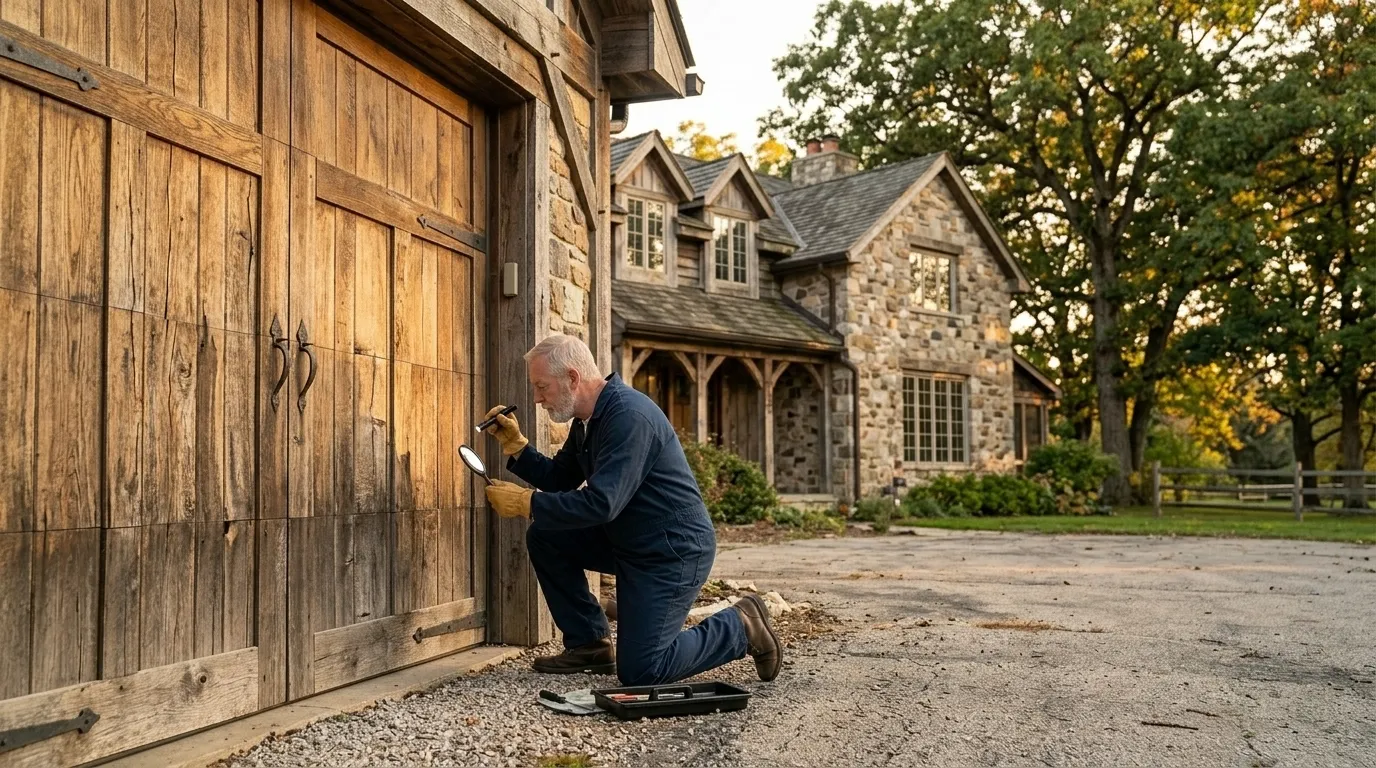
One honest limitation: we don't carry every panel style in stock on the truck. If you want a specific wood-look finish or a custom window pattern, that's a special order, and it adds lead time to the install date regardless of which side of Murfreesboro you're on.
How Long It Takes
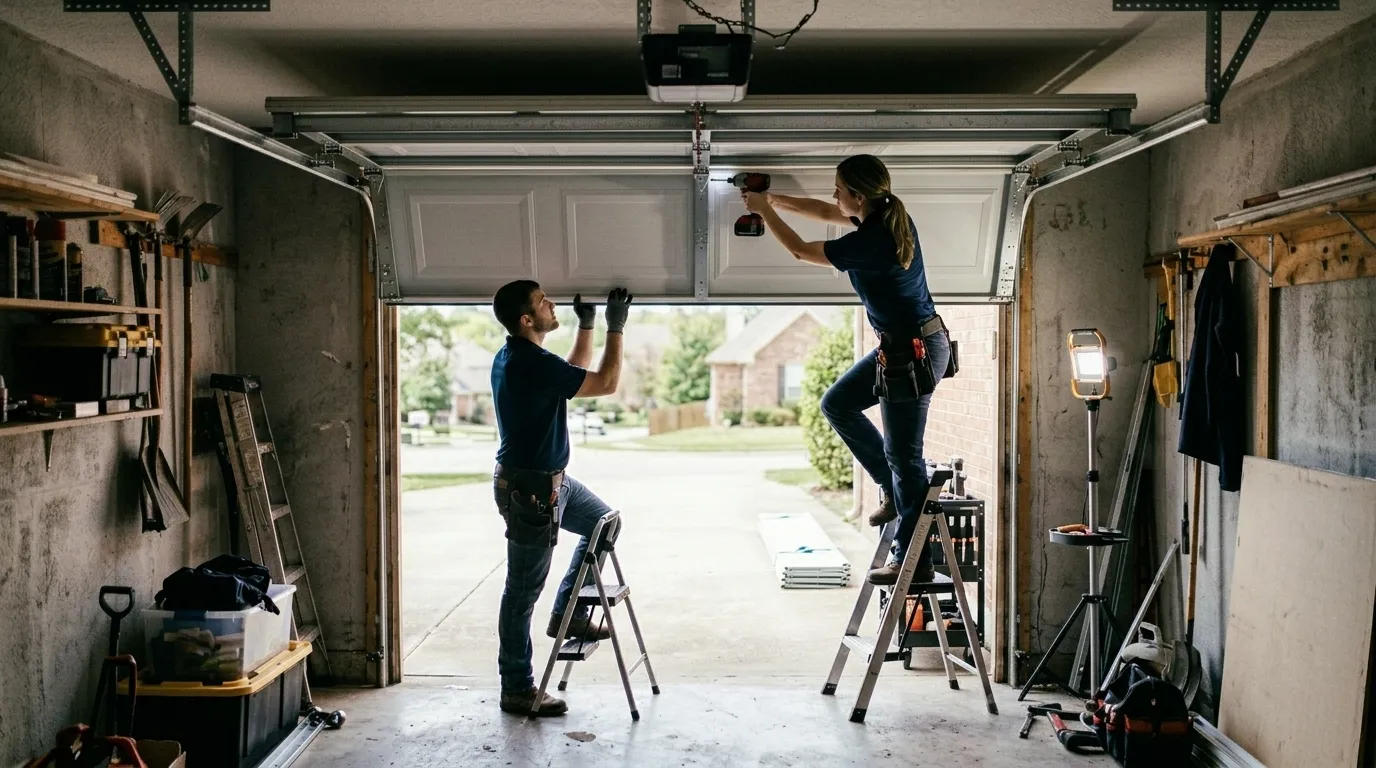
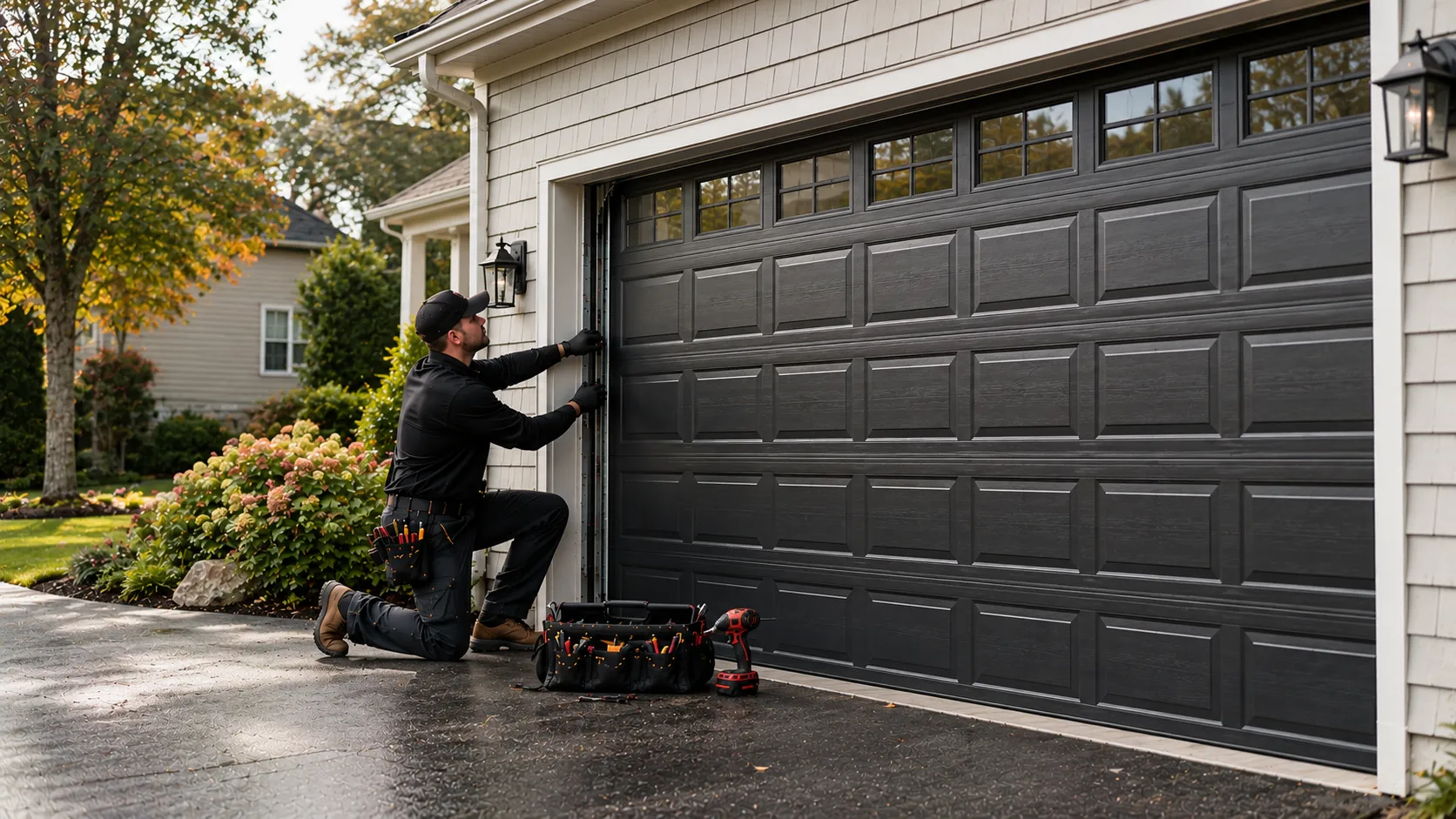
Eagleville sits about 15 miles out from Murfreesboro, which is far enough that we schedule it as a dedicated trip rather than a stop between closer jobs, but close enough that a straightforward single-door install still fits in one visit. A double-door swap with a new opener typically runs longer than a single door, mostly because of the extra track and spring work, not the drive.
With only 306 households in Eagleville itself, we're not running installs out here every week the way we might in a denser part of the coverage area. That doesn't change how the job gets done - it just means we plan the trip around material pickup so we're not making two runs for one door.
If your opening turns out to be a nonstandard size once we measure it, that pushes the timeline out for the special-order panel, and we'll say so at the estimate instead of at the truck.
Doing It Yourself
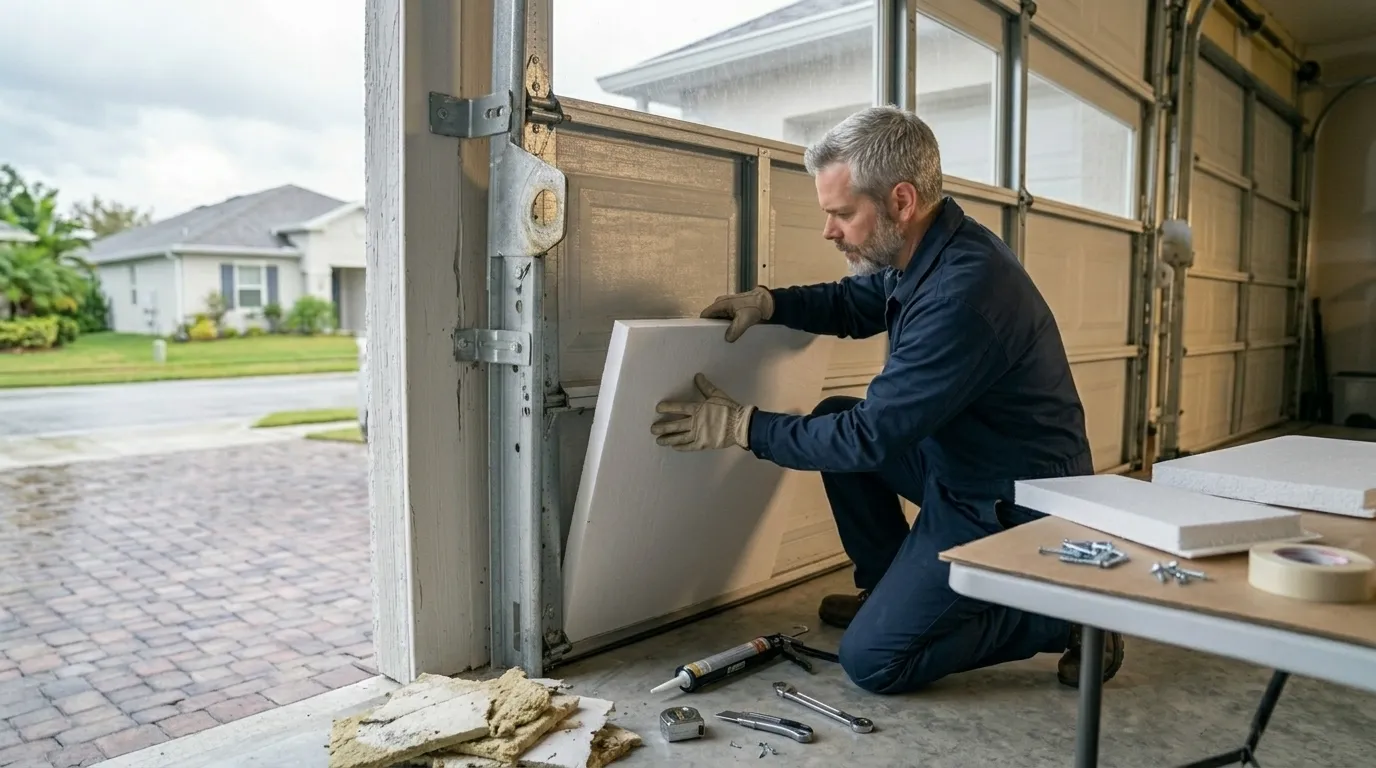
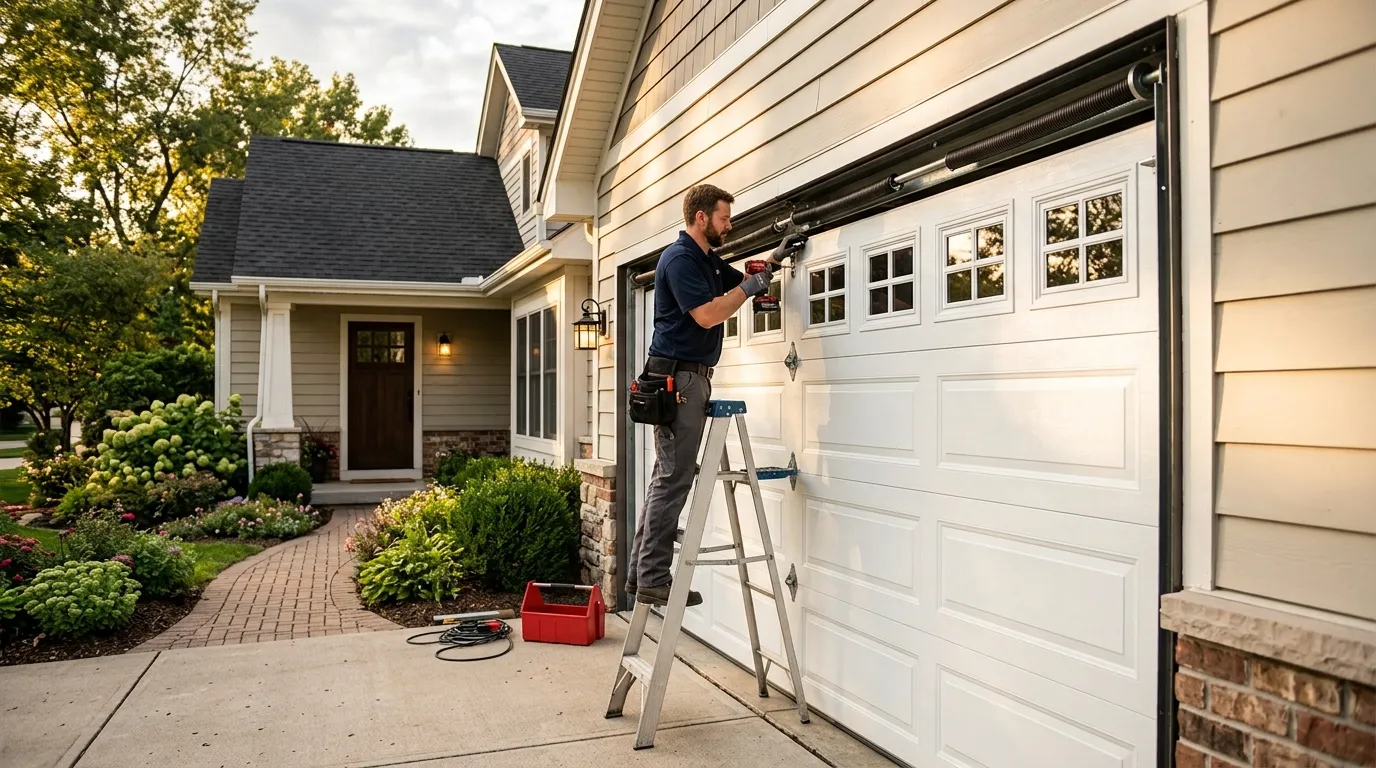
A garage door itself is not a great DIY project, and the spring is the reason. A wound torsion spring on a standard residential door carries enough stored force to break bones or worse if it lets go while you're working near it, and that risk doesn't go down because the door is old or the house is out past town. If you're comfortable swapping weatherstripping, a bent bottom seal, or a worn-out remote battery, that's reasonable homeowner work.
Where it gets genuinely dangerous is anything involving the spring, the cable, or removing the old door itself for a full replacement. Those jobs call for winding bars and clamps most homeowners don't own, and a mistake there is the kind that sends people to the hospital, not just back to the hardware store.
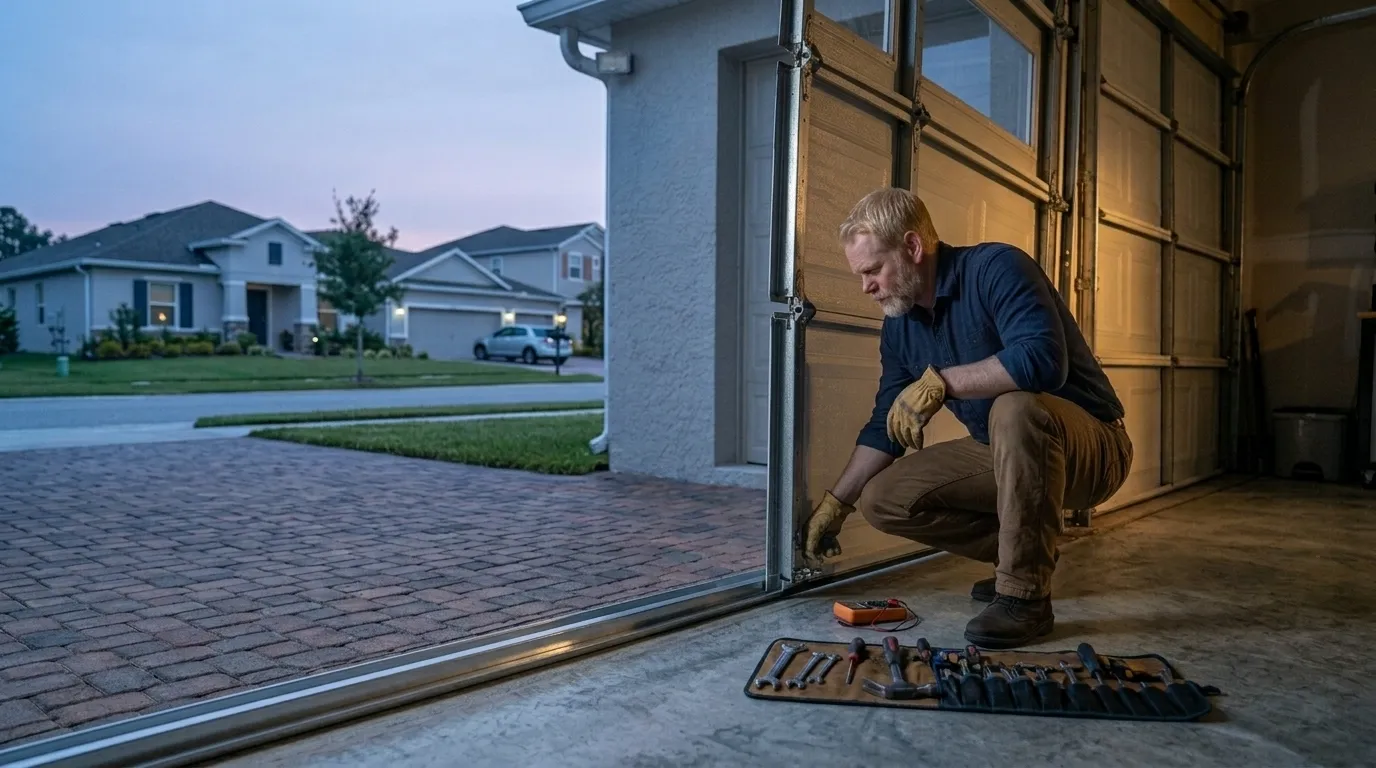
We'll say plainly: if all you need is a new remote or a tune-up on the rollers, you likely don't need us. If you're replacing the door and opener as a unit, that's the job we come out for.