What It Costs
Eagleville is a small place, around 306 households, so we're not out here every day the way we are on the bigger streets closer to Murfreesboro. That means fewer trucks have seen your specific door, but it also means when a track lets go, it's usually one of a handful of causes we already recognize from the area's housing stock.
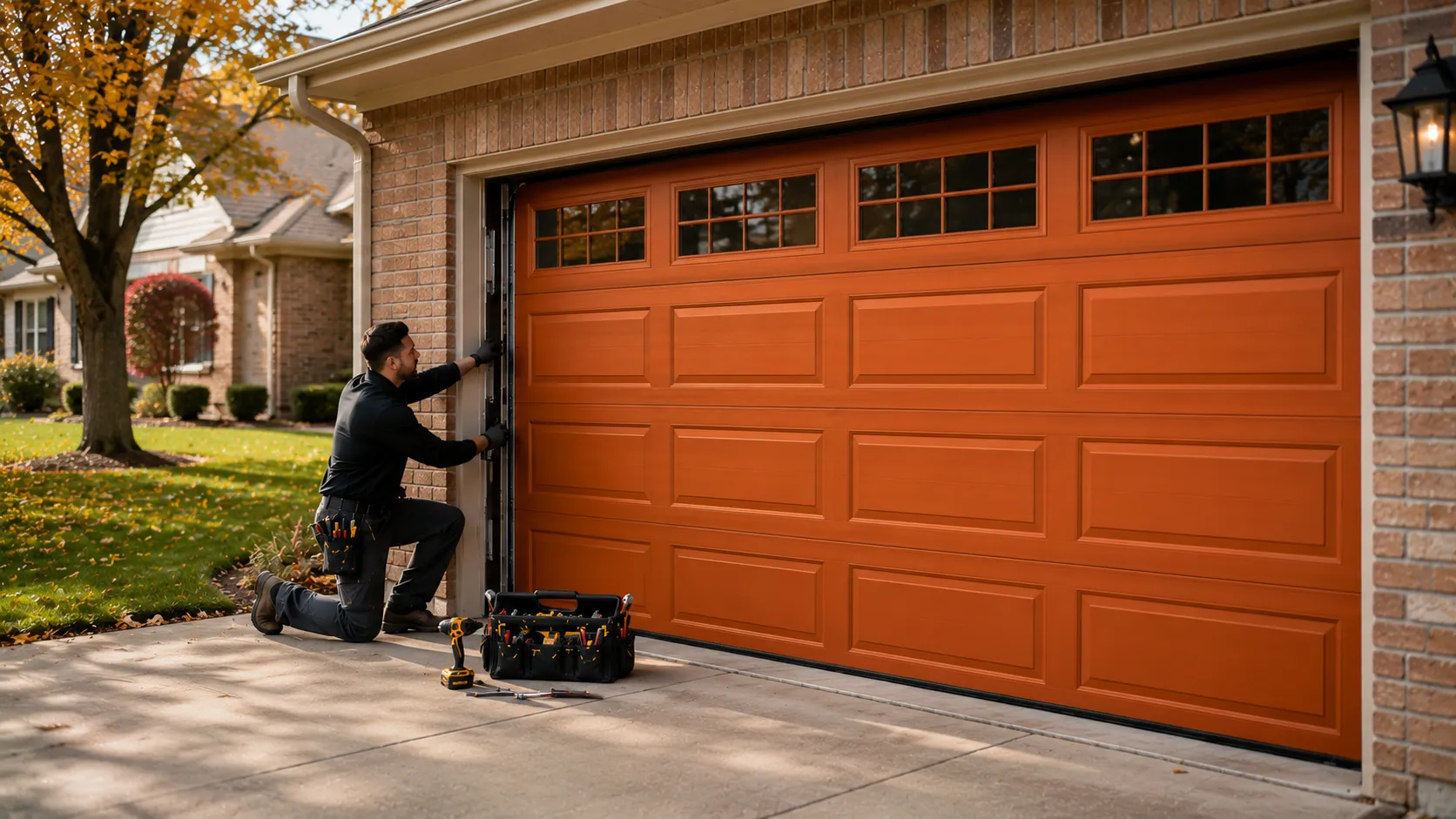
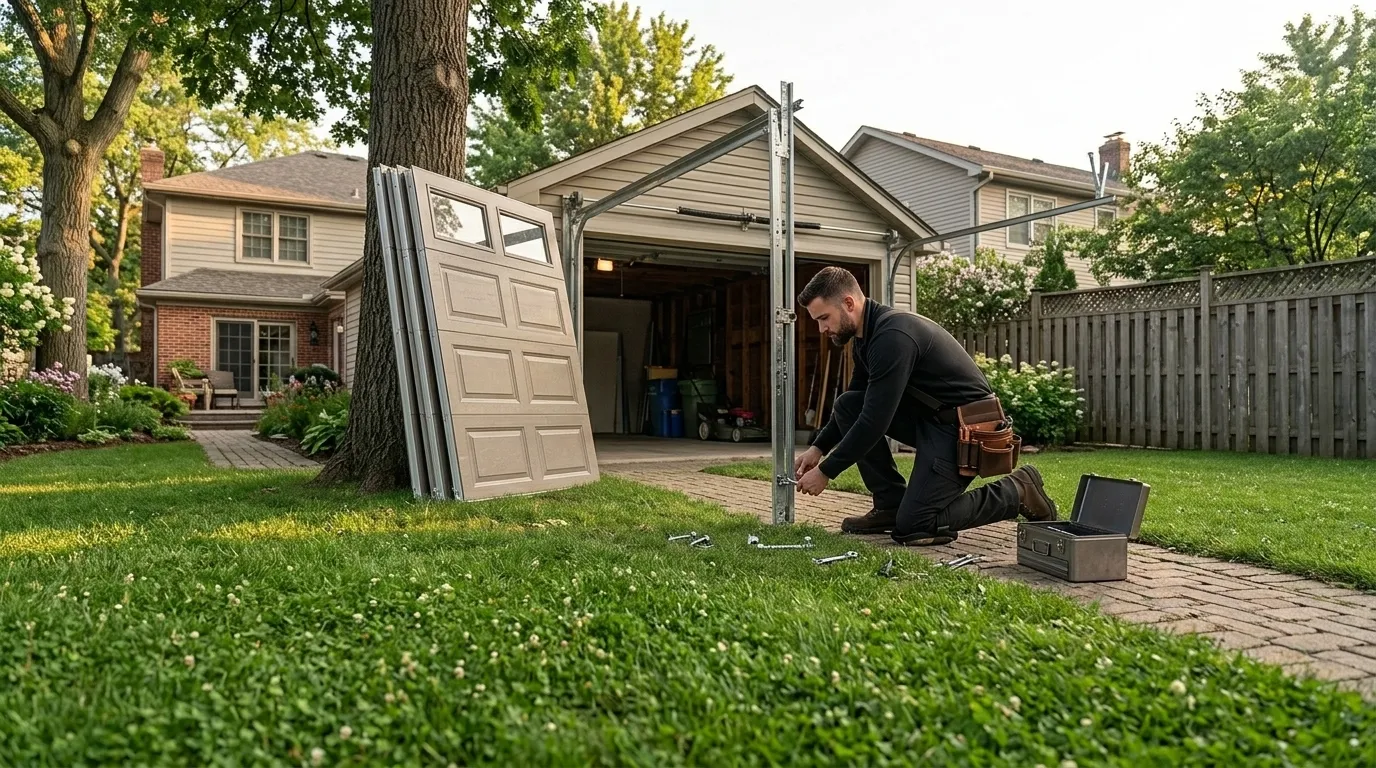
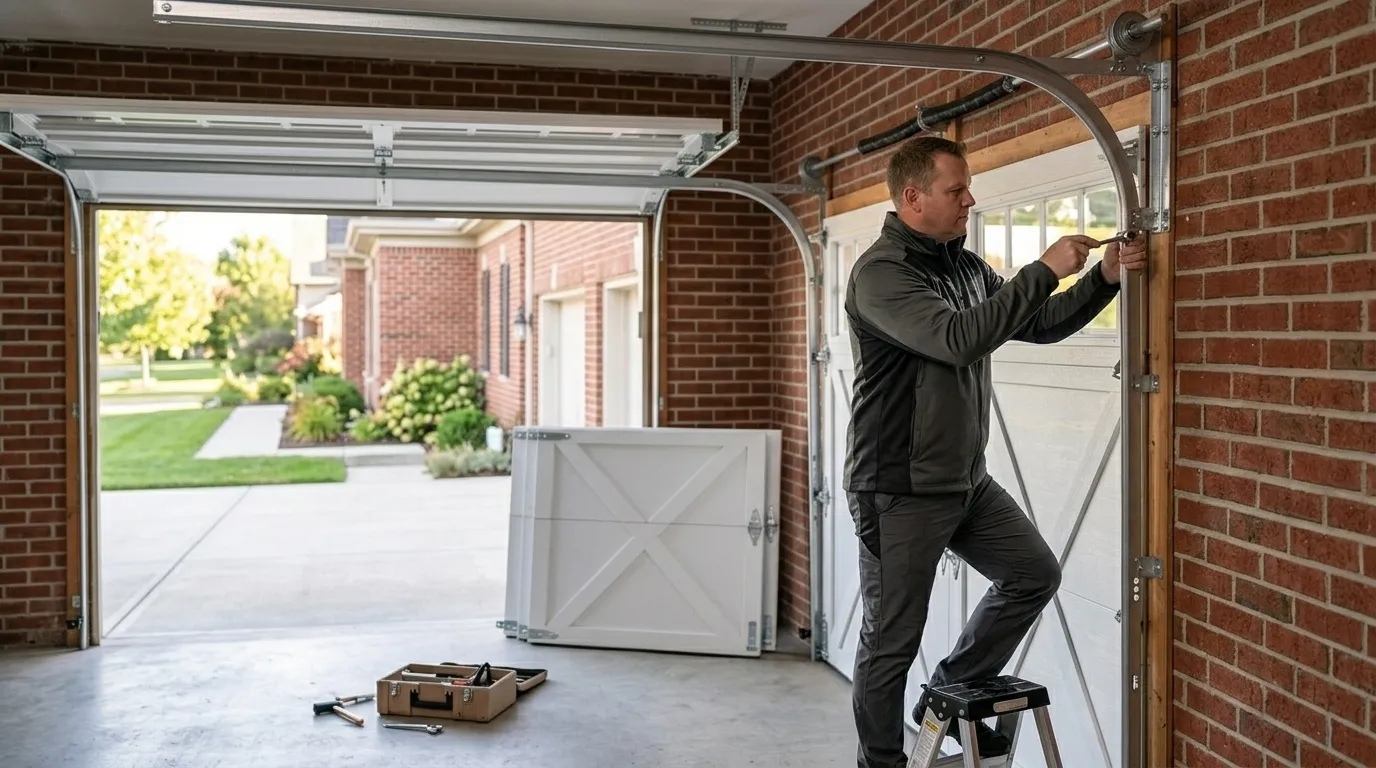
We don't have a set price to quote you here, and we won't invent one. What drives the number is whether the track itself bent (replace the section) or just came loose from a hanger (rehang and realign), plus whether the rollers or cables need to come out too. A door that's merely off its track and undamaged is a different job than one where a roller tore through the track wall. We'll tell you which one you have before we quote anything, not after.
One honest limit: if the opener forced the door while it was off-track, there's a real chance the top panel or the header bracket took damage too, and that changes the estimate once we're looking at it in person.
How Long It Takes
Eagleville sits about 15 miles out from our shop in Murfreesboro, and that drive is part of how we schedule the day - it's not a same-minute callback situation, and we won't tell you it is. Once a truck is on-site, most off-track jobs - realigning a track, replacing a bent section, reseating rollers - run under two hours.
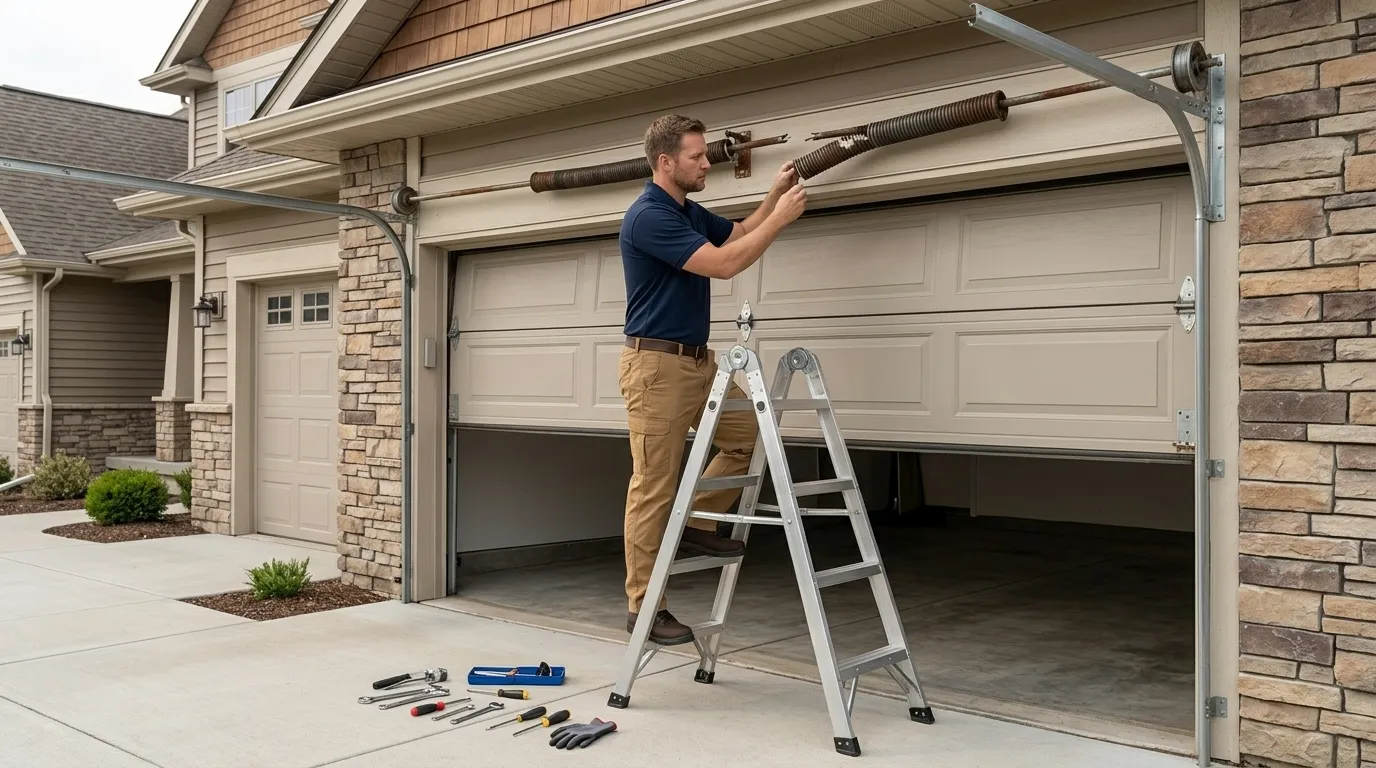
What stretches the visit is diagnosis, not distance. A door that's off-track from a broken cable is a different repair than one that's off-track because the opener kept pulling after the door jammed. We check both before we start swapping parts, because fixing the track and leaving a frayed cable in place just means a second call.
Doing It Yourself
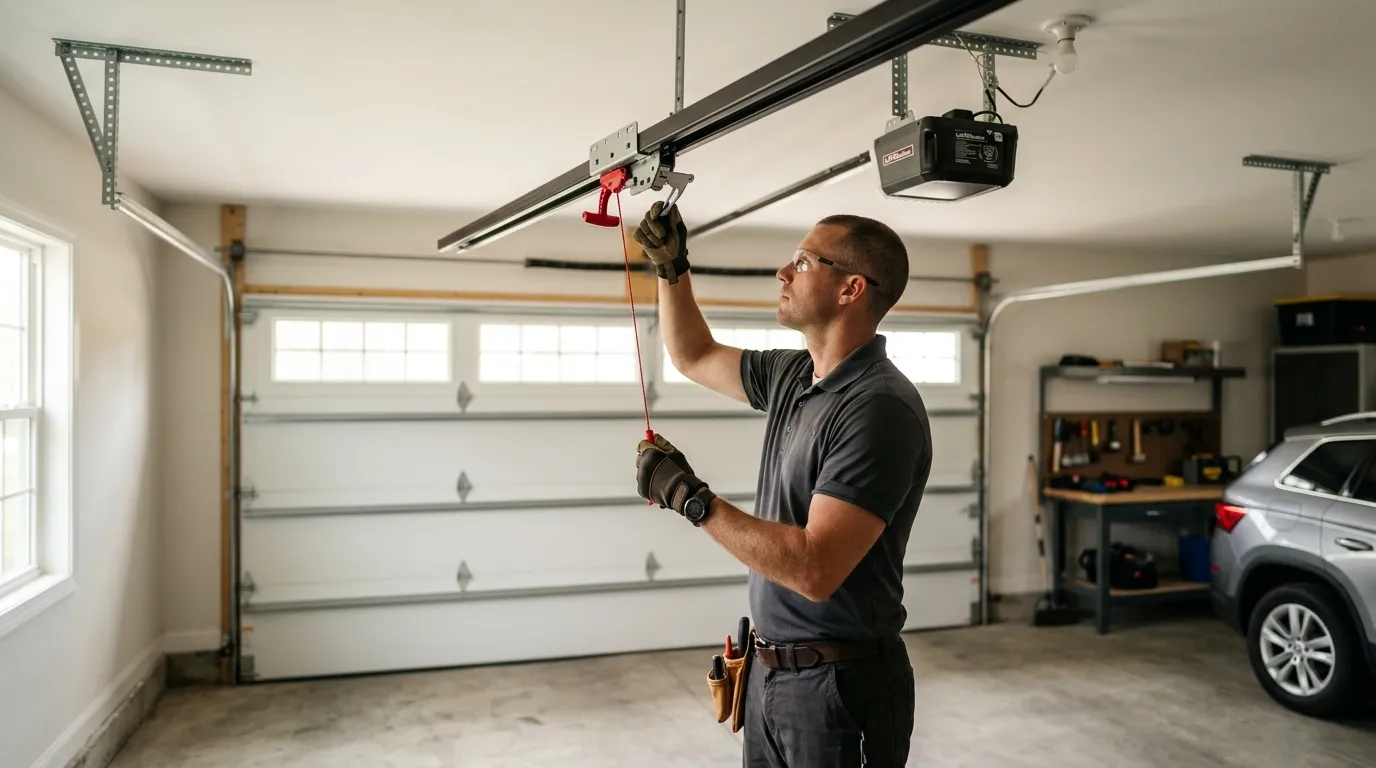
Do not try to push or pry the door back onto the track yourself. A door that's off its track is usually under spring tension, and forcing a panel back into a bent or twisted track can snap a cable or drop the door on whatever - or whoever - is underneath it. That's the one thing we'll say flatly: leave it where it sits and kill power to the opener at the wall switch so it doesn't try again on its own.
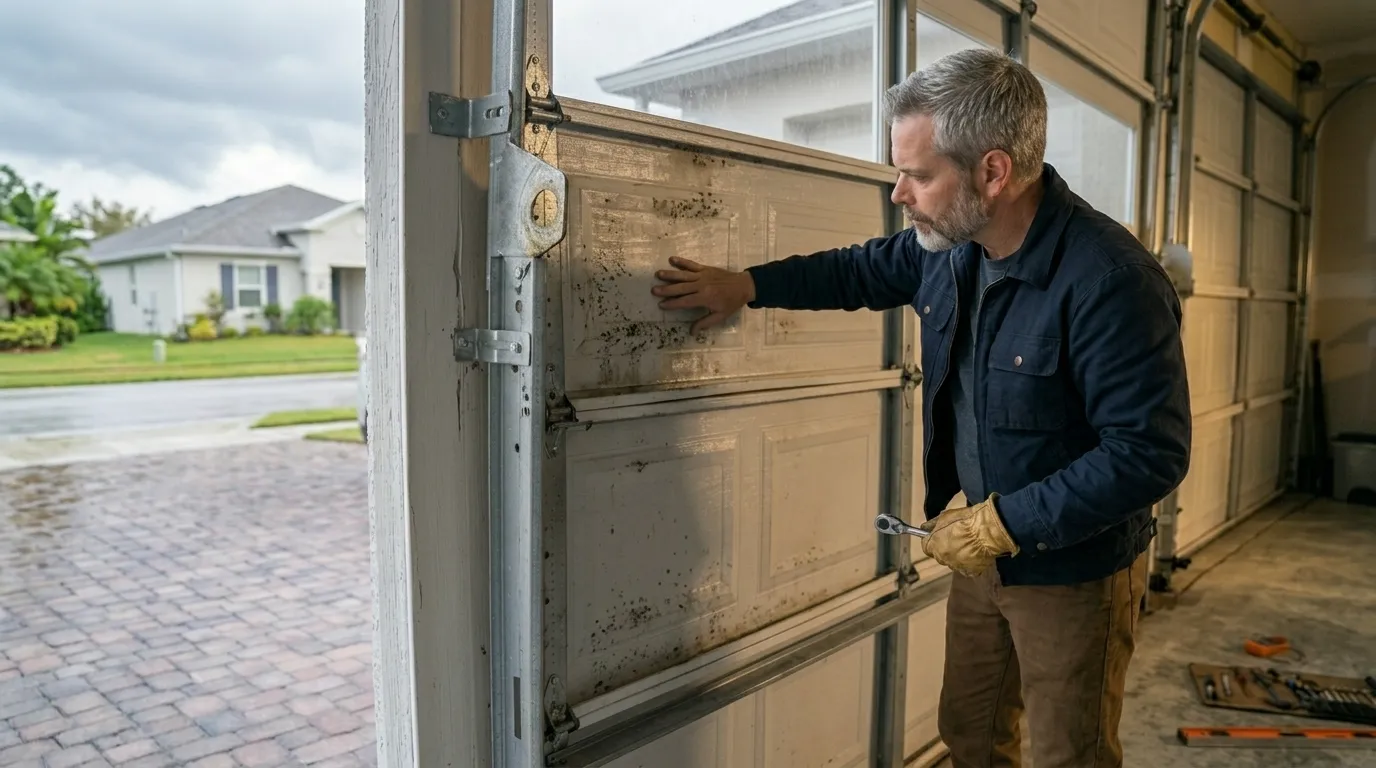
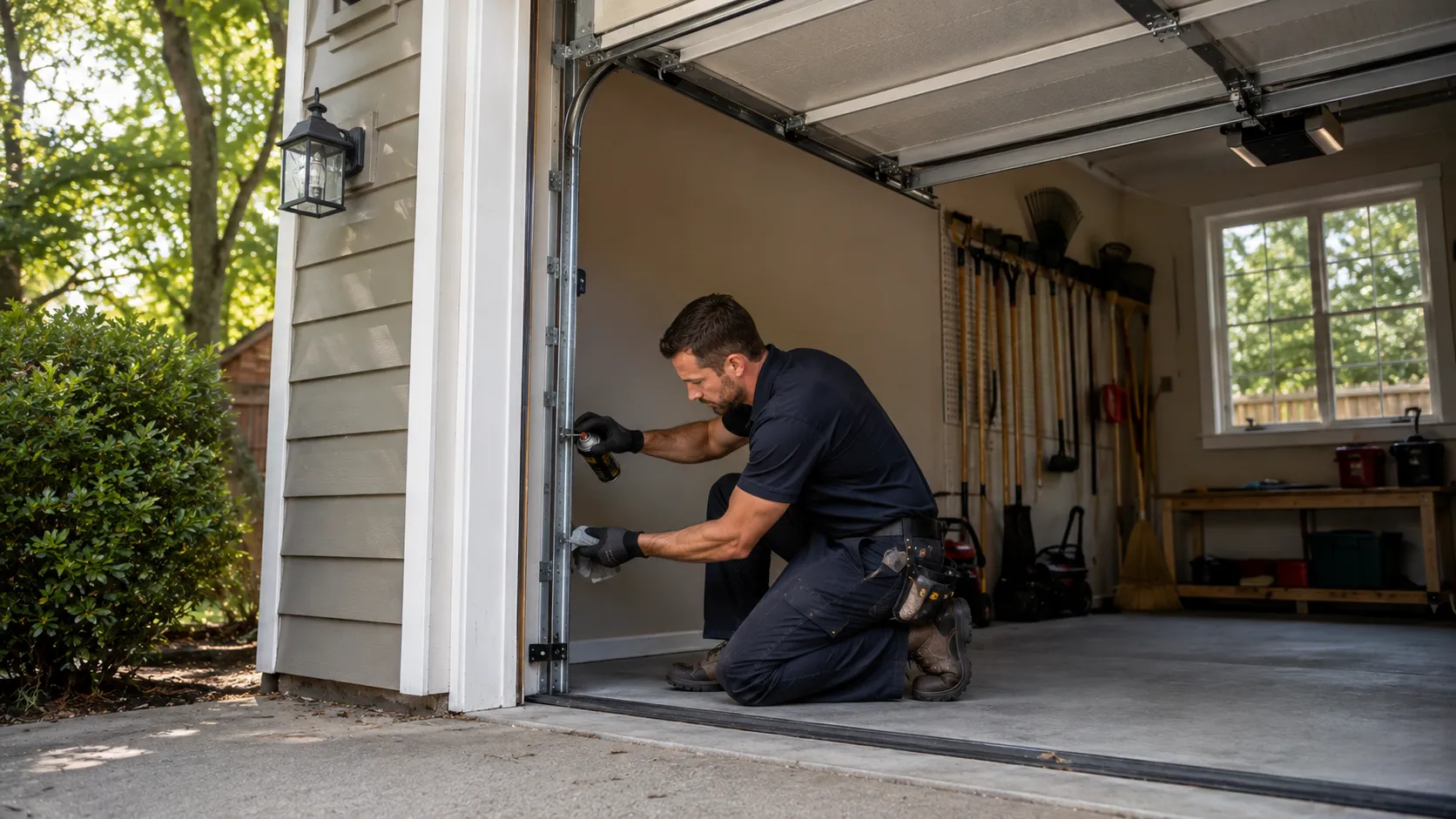
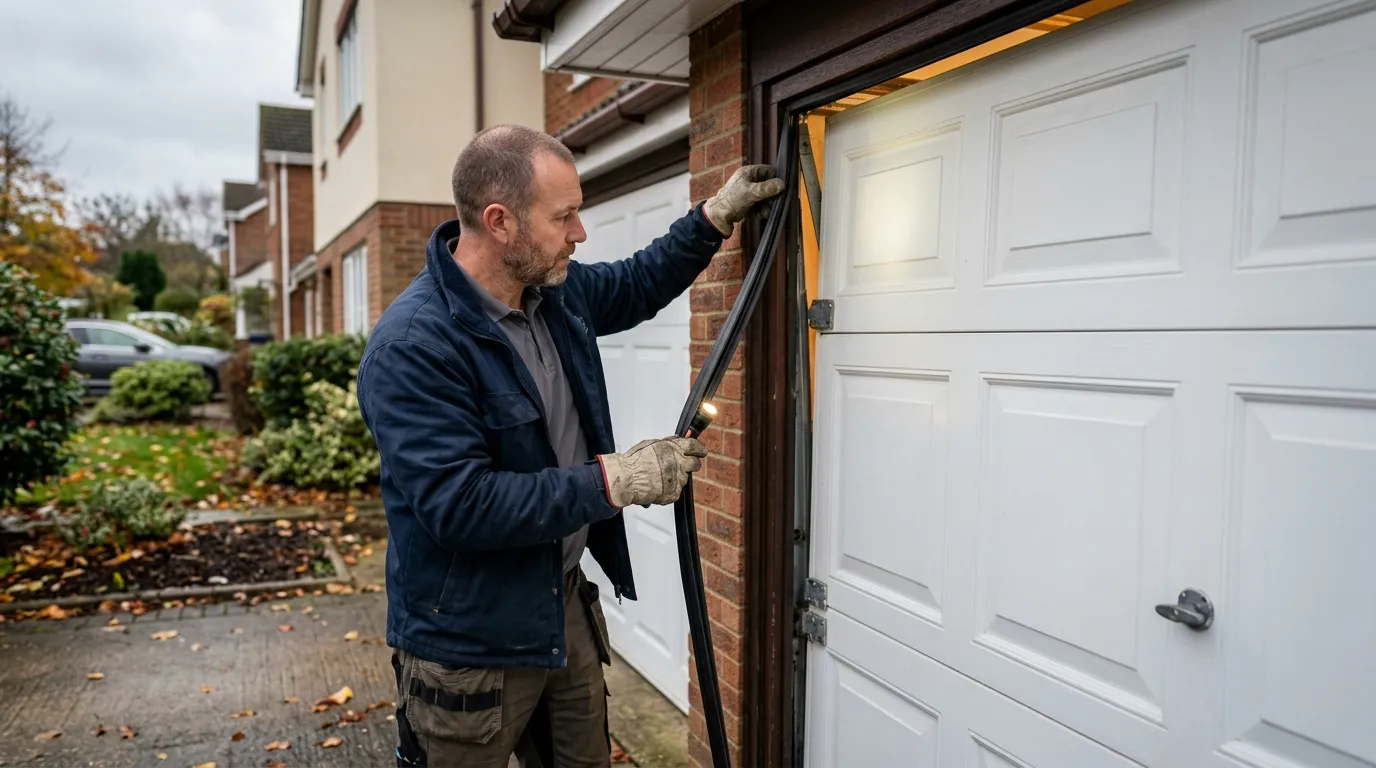
What you can safely check first: look at the bottom corners of the door and see if a roller has actually left the track versus the track itself pulling away from the wall bracket. If the track is bent or the bracket has come loose from the framing, that's a repair, not an adjustment. If a roller has simply popped out with the track intact, that's still worth a call rather than a DIY attempt, because reseating a roller under tension without the right bar and clamps is how people get hurt.