Parts We Carry
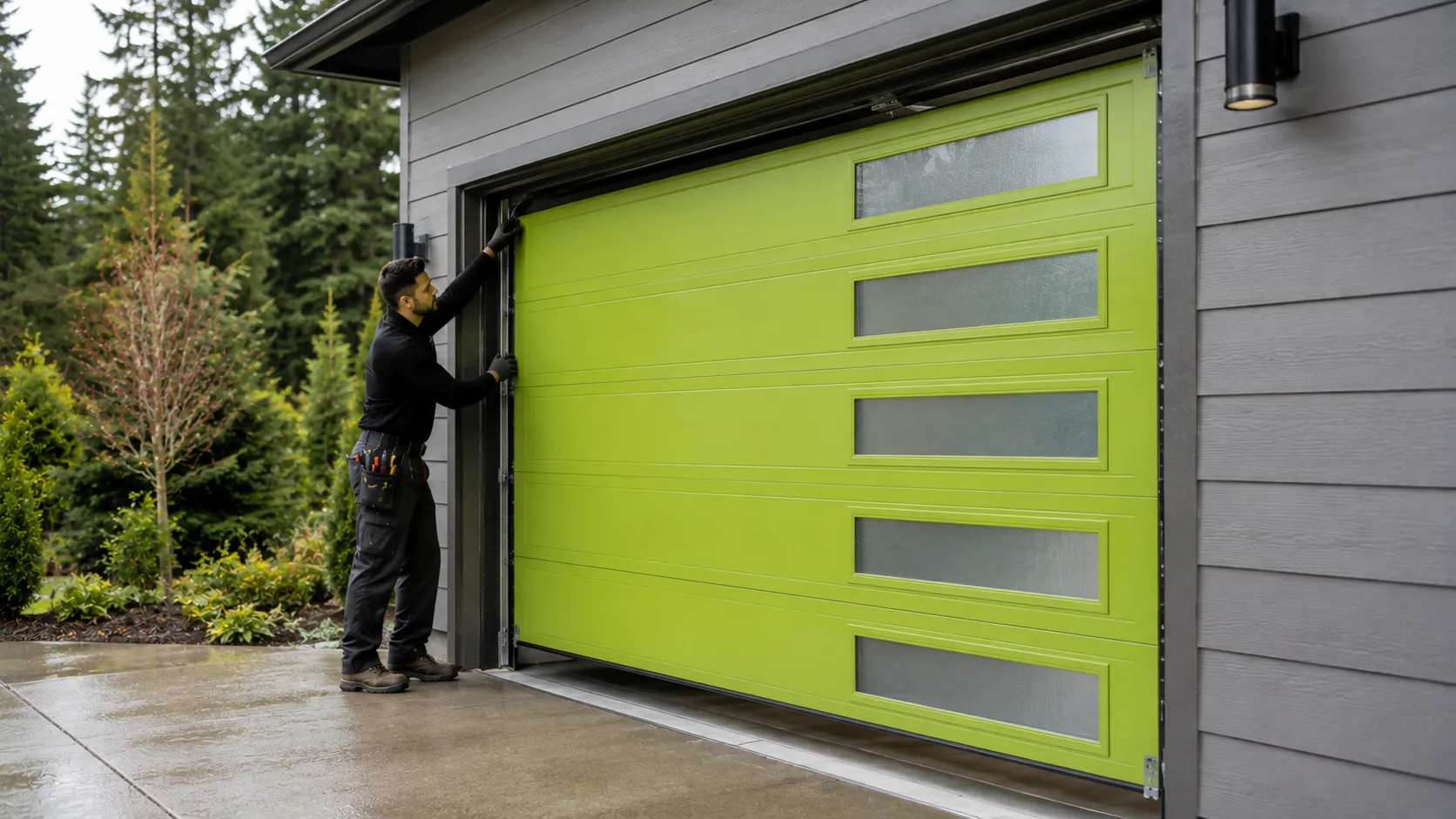
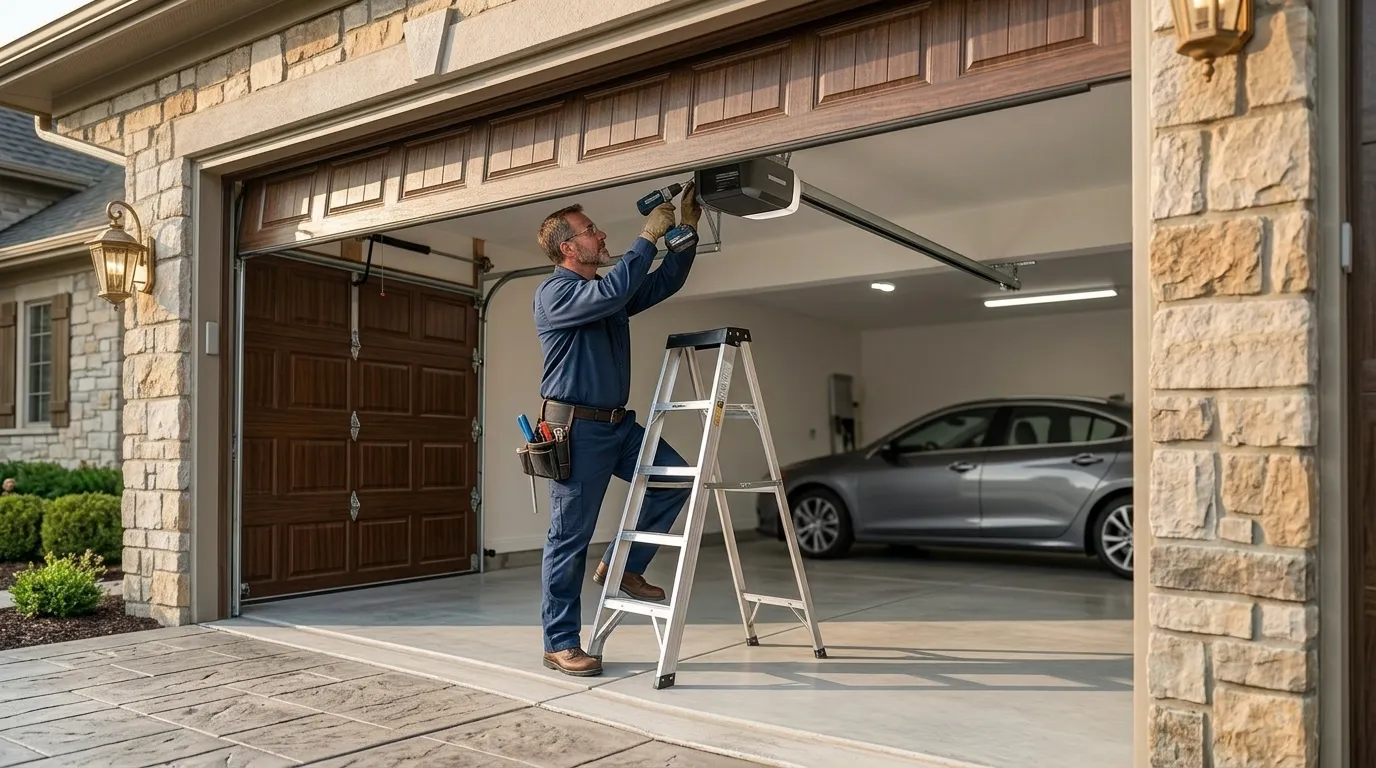
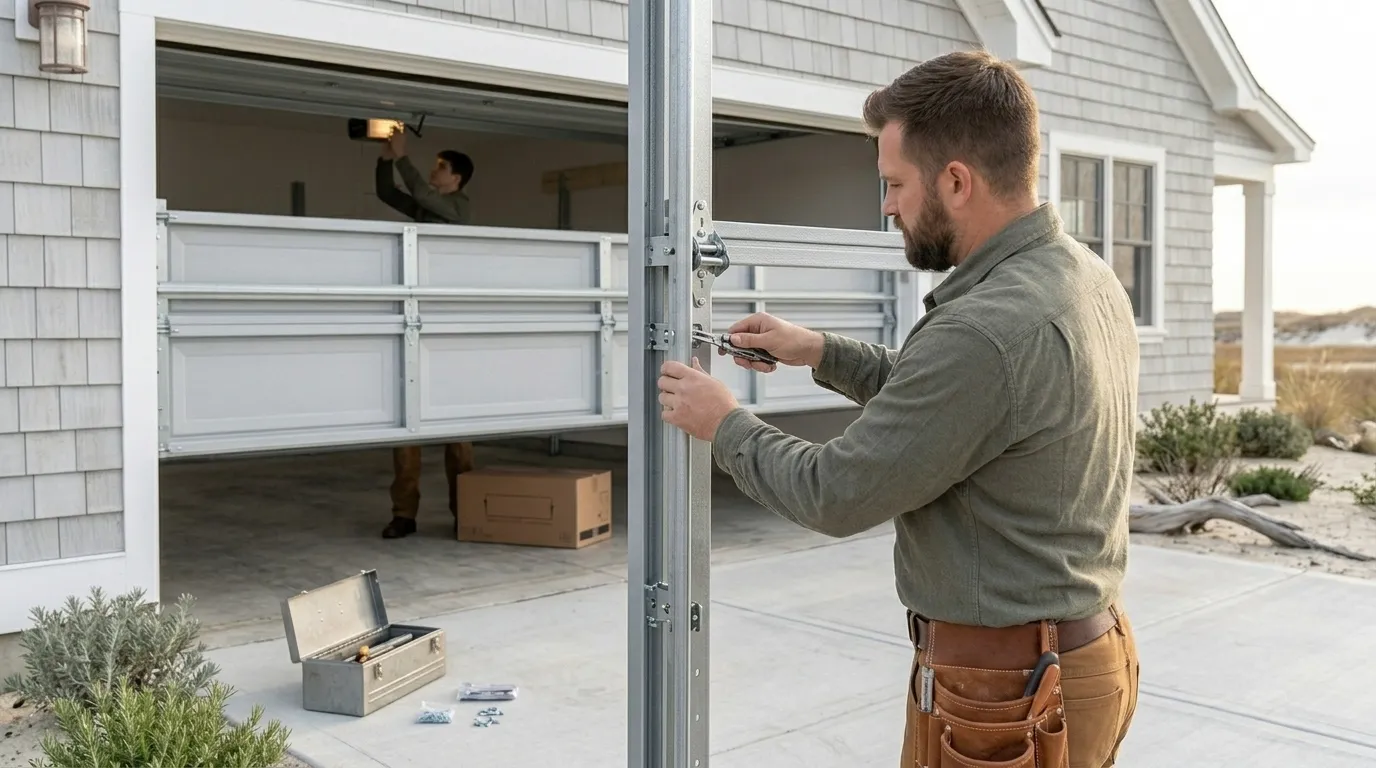
Nolensville's housing stock is younger than most of what we see closer to Murfreesboro - the area's median build year sits around 2012, which puts most garages here on steel sectional doors with factory torsion springs already sized to the door weight, not the older extension-spring setups you still find on 1980s and 90s houses across the wider service area. That means when a spring lets go on a Nolensville door, it's almost always a standard-diameter torsion spring on a center-mounted shaft, and we carry that wire gauge on the truck rather than having to source it. Openers here tend to run photo-eye safety sensors and rolling-code remotes as standard, since those homes were built well after those became baseline equipment. What we don't stock on the truck is anything custom - a door with a non-standard width or a discontinued opener board still means a return trip once the part is ordered. On a newer door that's rare, but it happens on the odd custom build or a garage that's been converted since the house went up.
What You Are Seeing
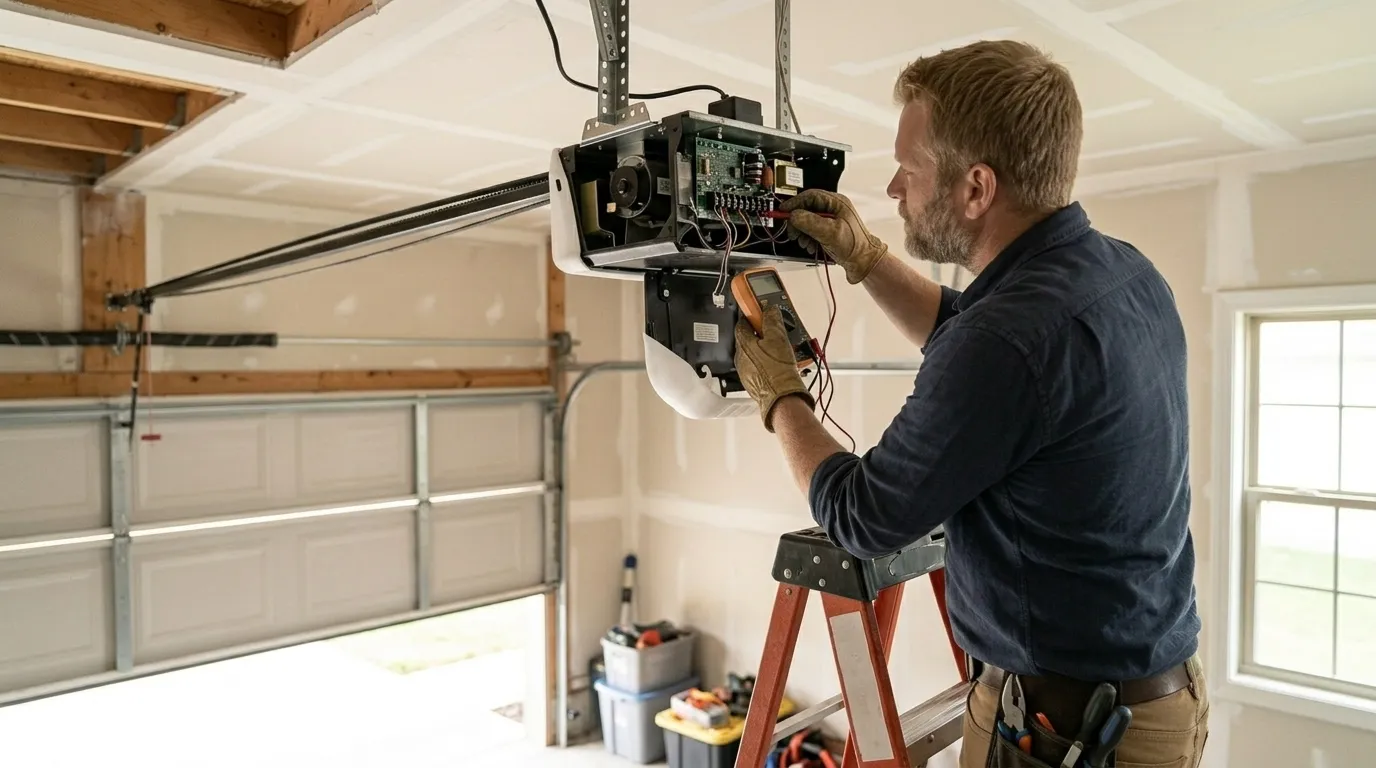
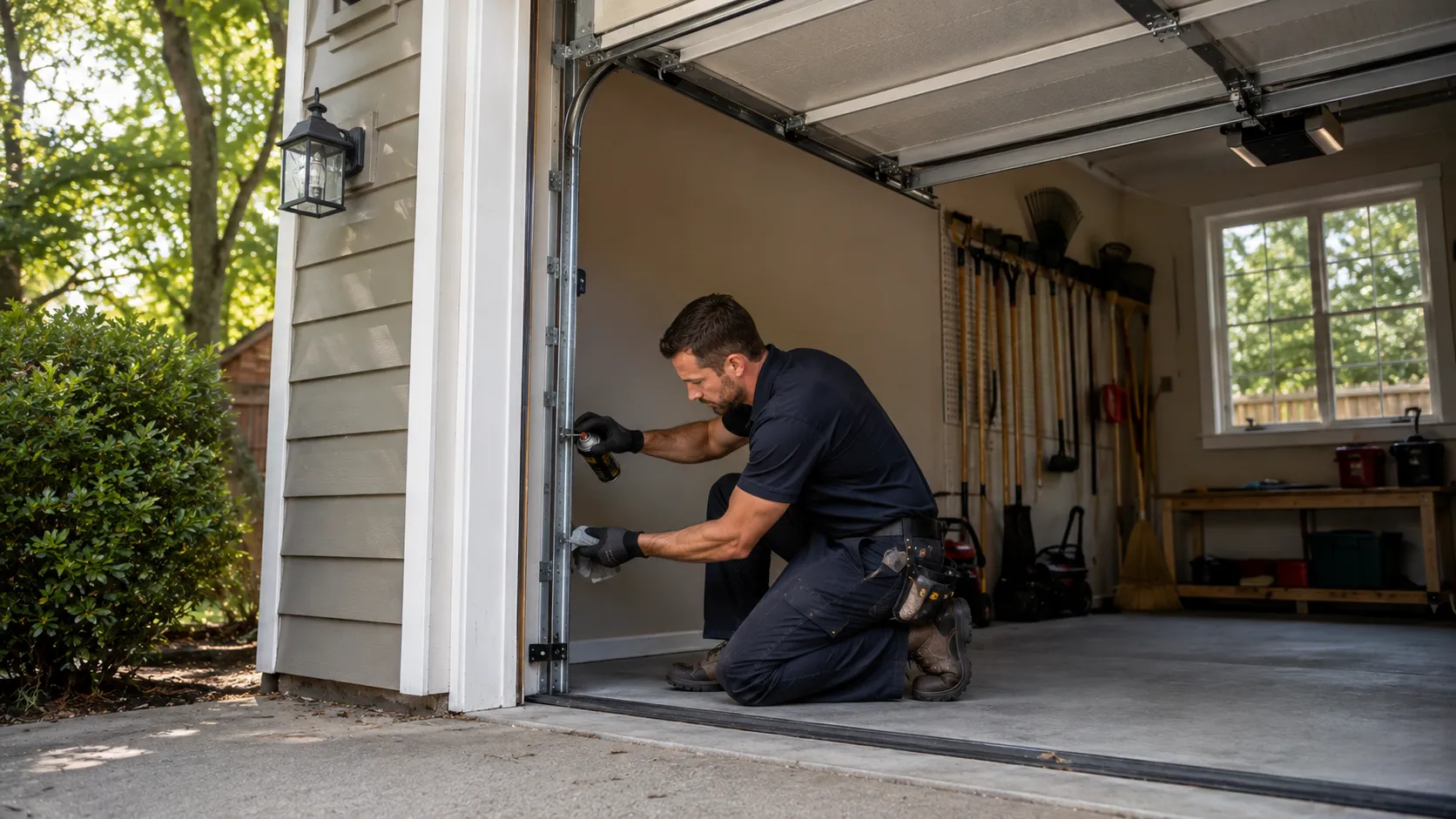
A door that won't budge and an opener that hums but doesn't move usually means a broken torsion spring - on a newer door, that's often the very first spring failure the house has ever had, since the stock here mostly postdates the 1990s. A door that reverses immediately when closing, or refuses to close at all, points at a photo-eye sensor that's dirty, knocked out of alignment, or blocked - common on these builds because the safety-sensor requirement was already standard when the house went up, so every door has the pair low on the tracks. A door that's noisy but still moves is usually a roller or hinge that's dry, not a structural problem. If the opener light blinks in a pattern and the door won't respond at all, that's the control board reporting a fault code, not a mechanical break - worth mentioning before you spend money on springs that were never the issue.
Doing It Yourself
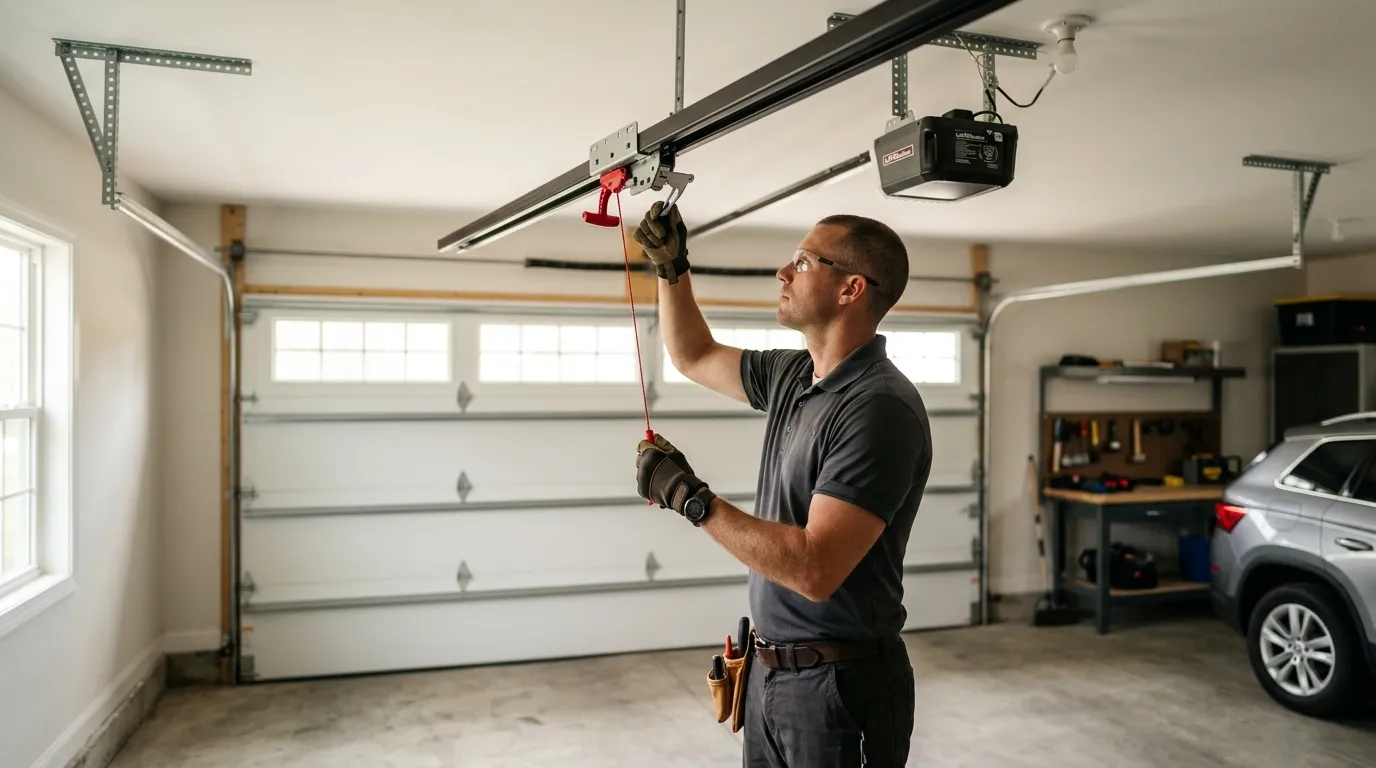
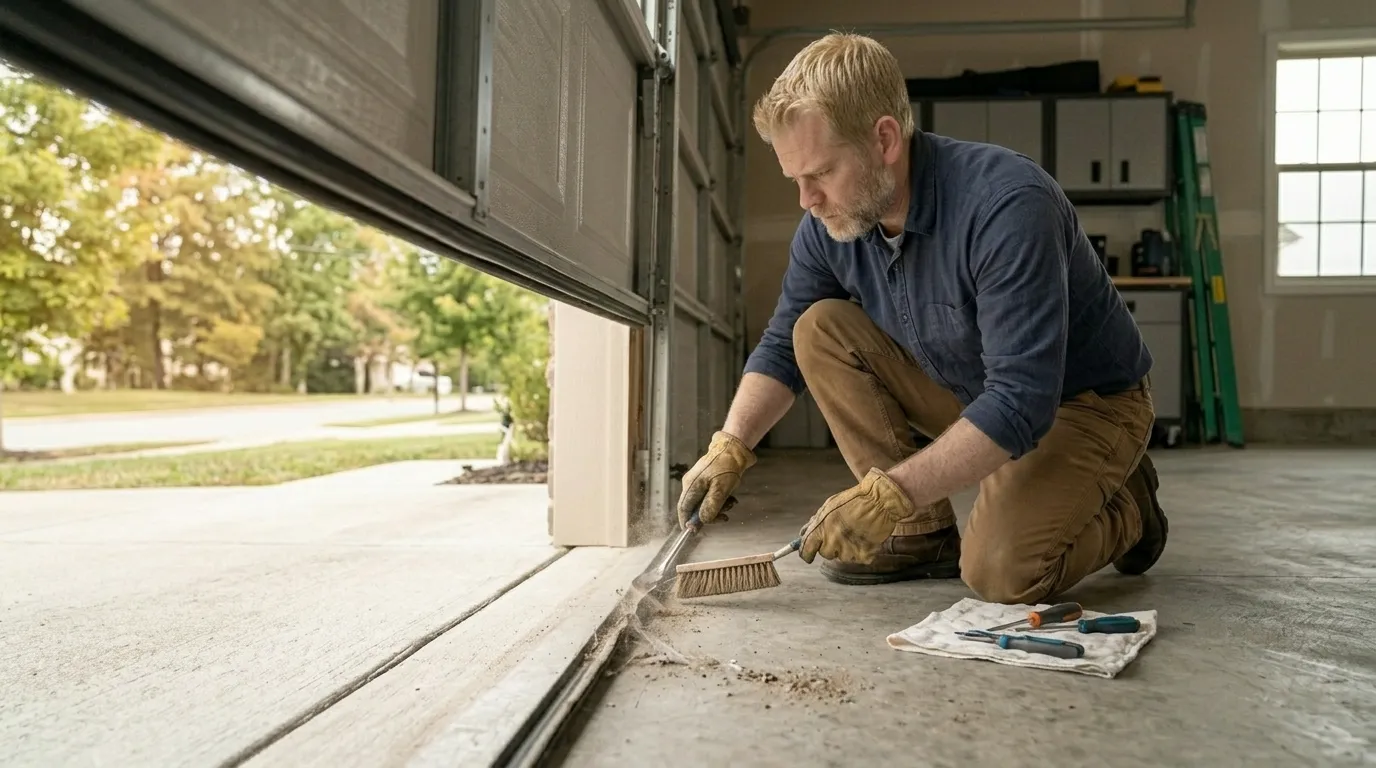
Realigning a photo-eye sensor is safe to try yourself - loosen the mounting screw, square it up with the sensor on the other side, and check for a steady light rather than a blink. Clearing debris from the sensor lenses and wiping the track down are both fine DIY jobs too. What you should not do is touch the torsion spring itself. A wound torsion spring on a standard residential door carries enough stored force to break a hand or worse, and there's no safe way to release or rewind one without the right bars and a locked stance - this is the one place we'll say plainly: call it in rather than open a manual. If the door is off its track entirely, leave it. Forcing it back on can bend the track further and turn a repair into a full track replacement.
Why This Fails Locally
A door that fails in Nolensville isn't failing for the same reason one fails on the older side of the county. This area's houses are newer, the hardware is more standardized, and the household incomes here run well above the wider service area's median - which tends to mean owners have kept up with opener upgrades and haven't left a worn part running for a decade past its life. The failure that shows up here is more often a first-time spring break on a door that's never needed service, or a sensor knocked loose during yard work, than the compounding neglect you see on 30-year-old hardware elsewhere. Treating a Nolensville call like any other call in the service area misses that - the fix is usually simpler, the part is usually standard, and the job is often faster than the drive out to get there.