Parts We Carry
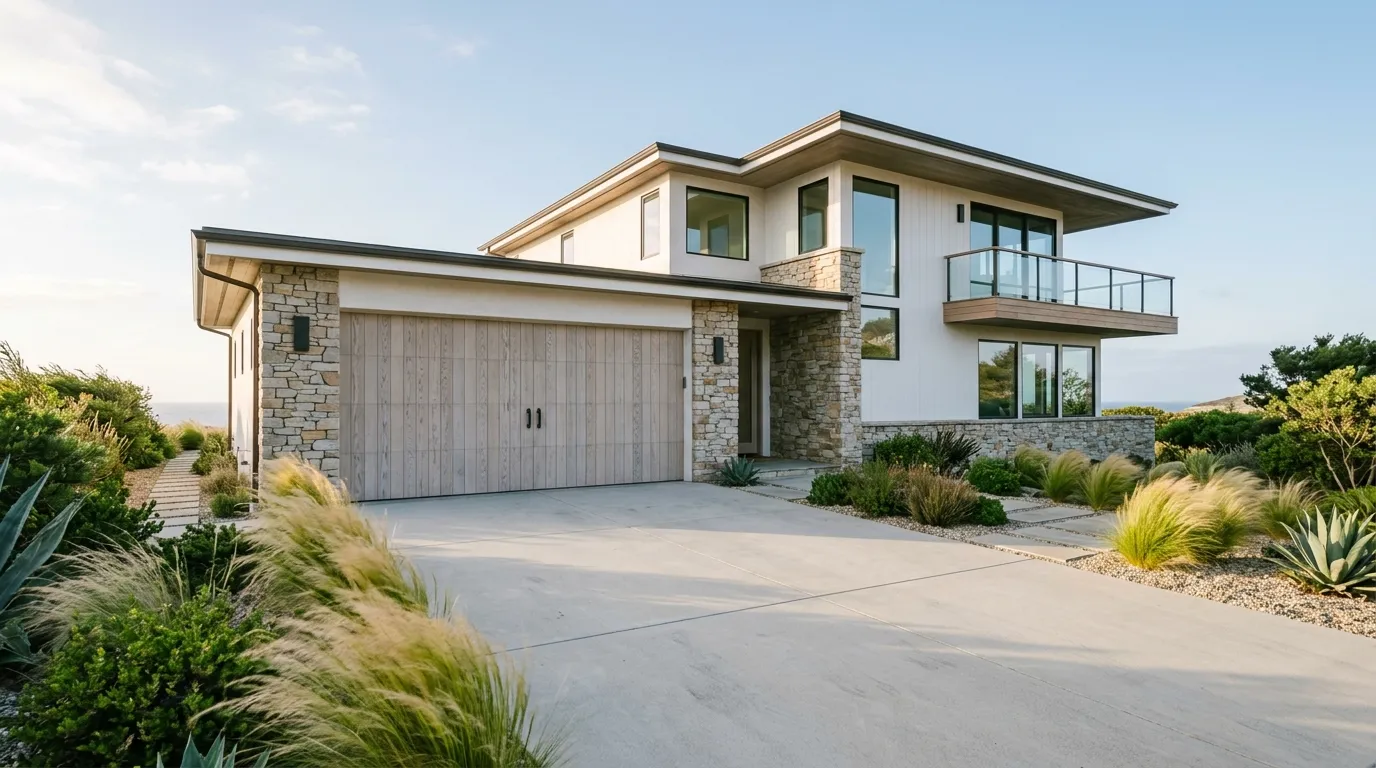
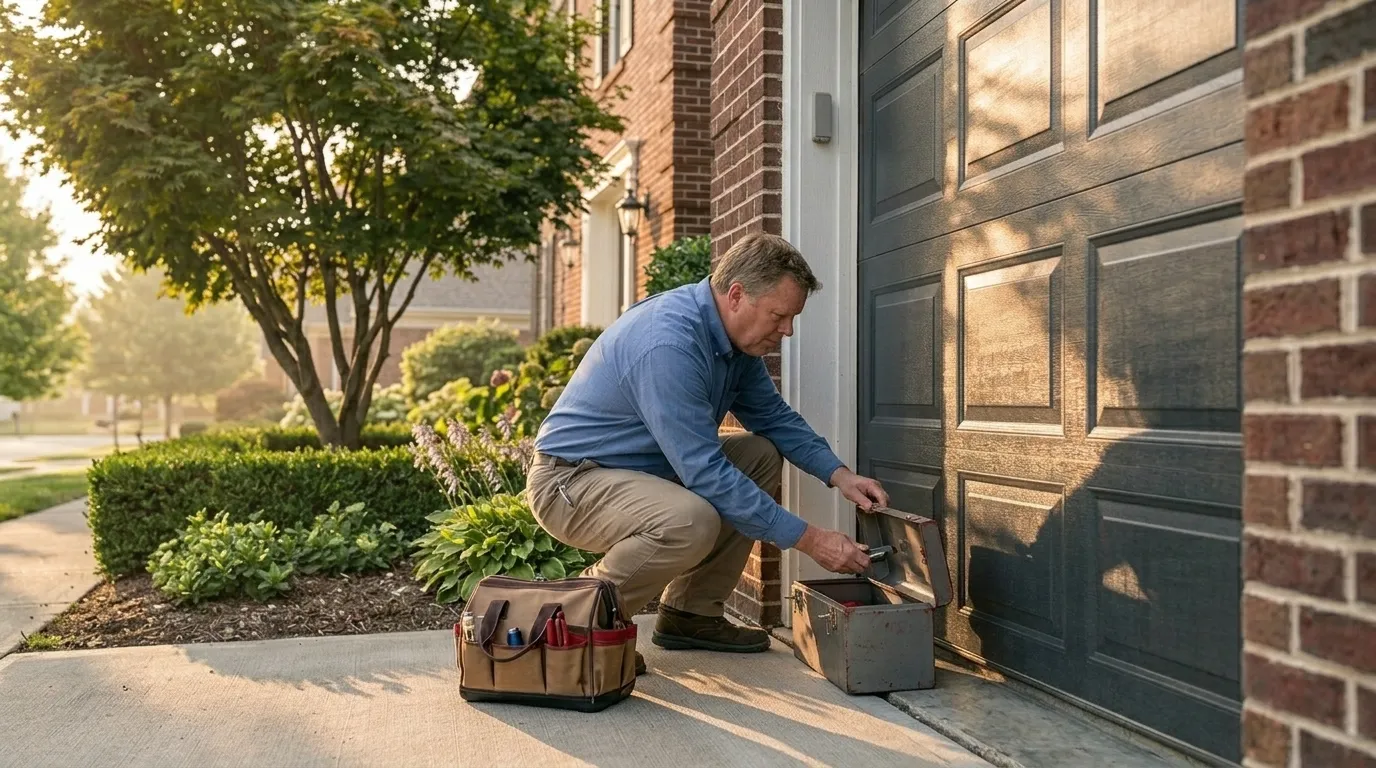
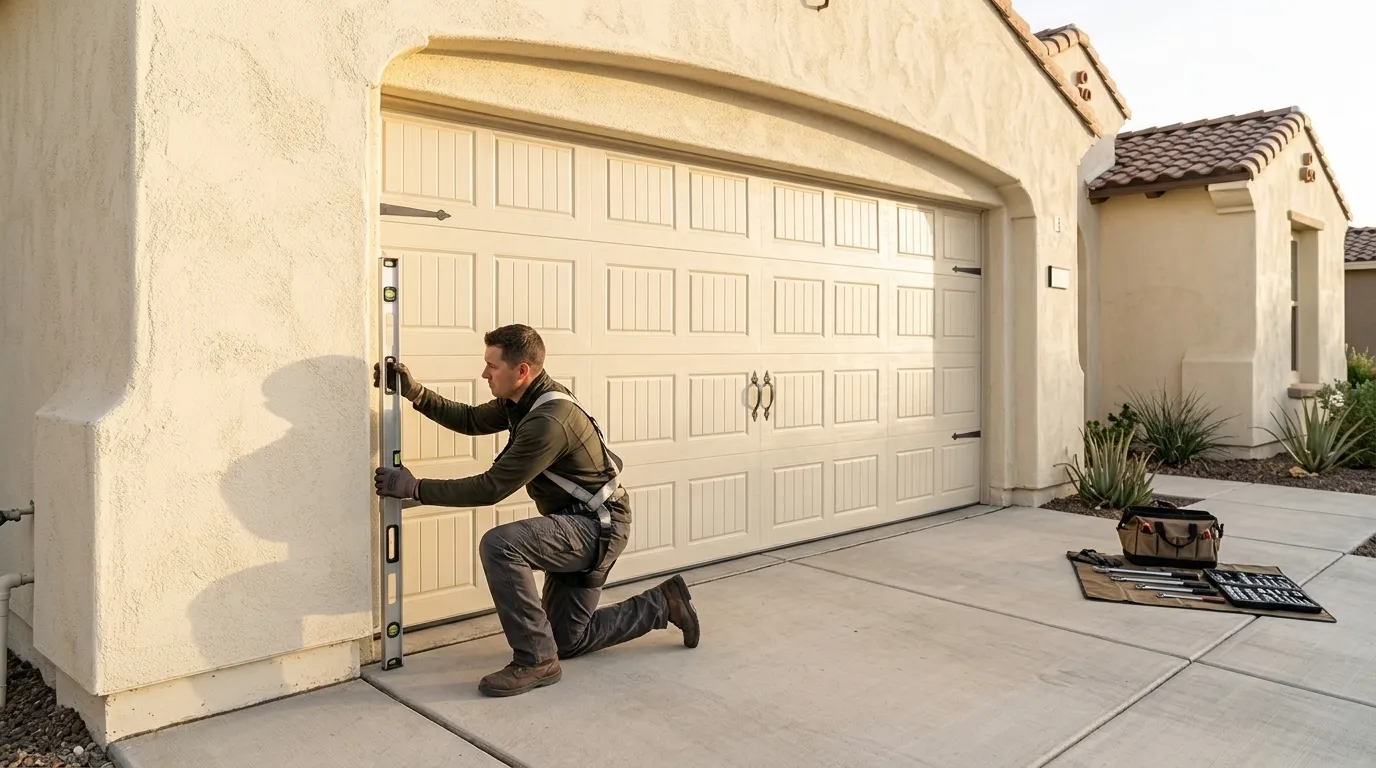
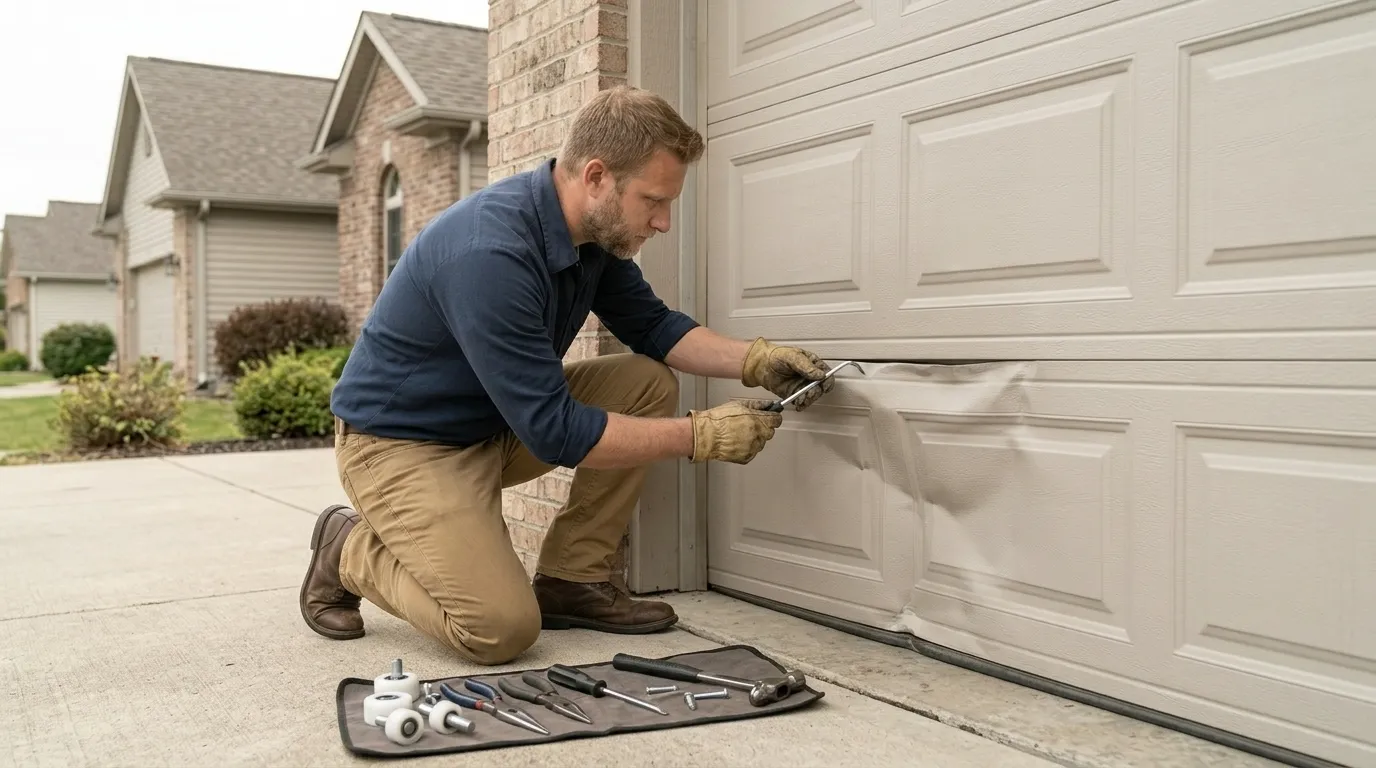
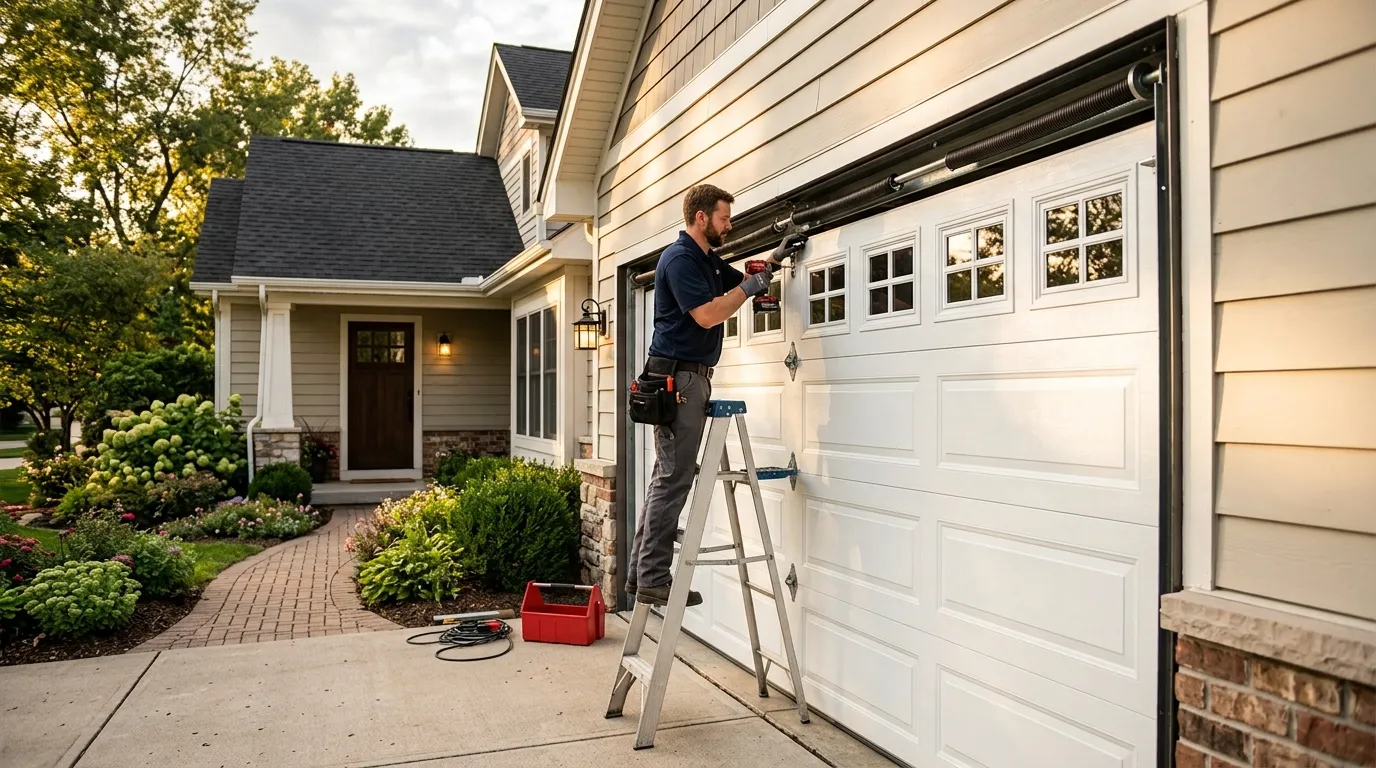
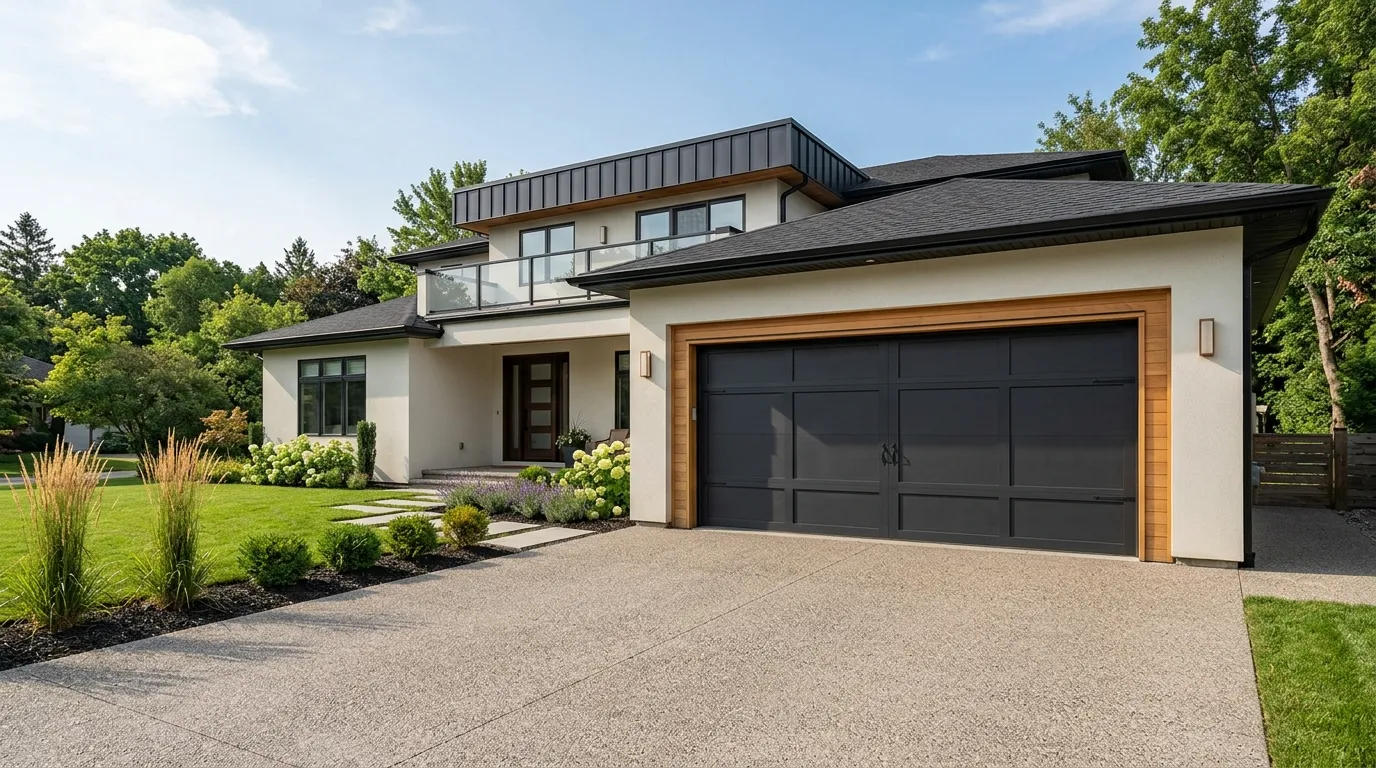
Nolensville's housing is younger than most of what we see closer to Murfreesboro - the median build year out here lands around 2012, decades newer than the 1965-2012 range that covers the wider service area. That means we're not chasing down obsolete side-mounted torsion tubes or one-piece doors on this side of the county. We stock modern torsion springs sized for standard 7-foot and 8-foot insulated steel doors, nylon and steel rollers, extension cables, and circuit boards for the belt and chain-drive openers that came standard in homes built from the late 1990s onward. We also carry photo-eye sensors and wall control units, since those are the parts that fail first on a door that's otherwise barely a decade old. What we don't stock on the truck: specialty glass-panel inserts or custom-width doors ordered for a specific build - those go on backorder like anywhere else.
What You Are Seeing
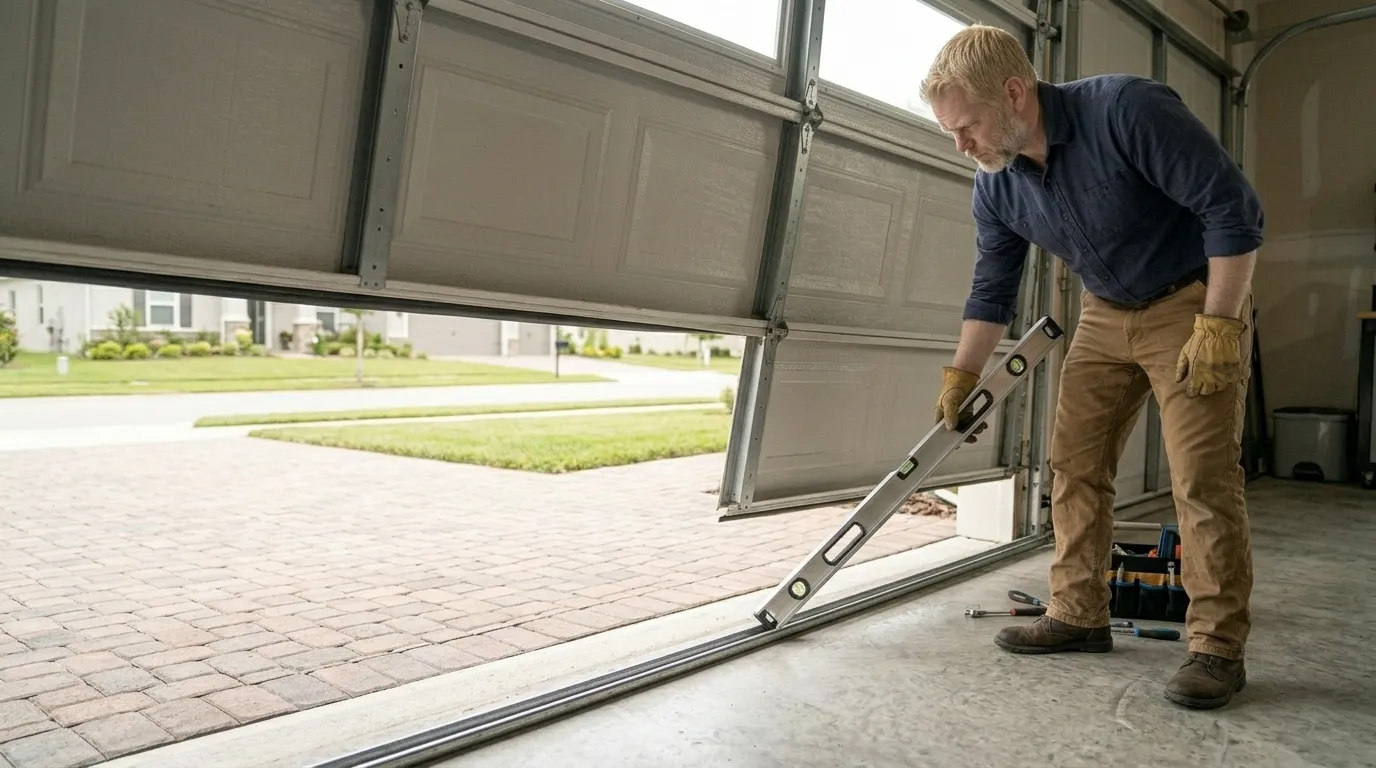
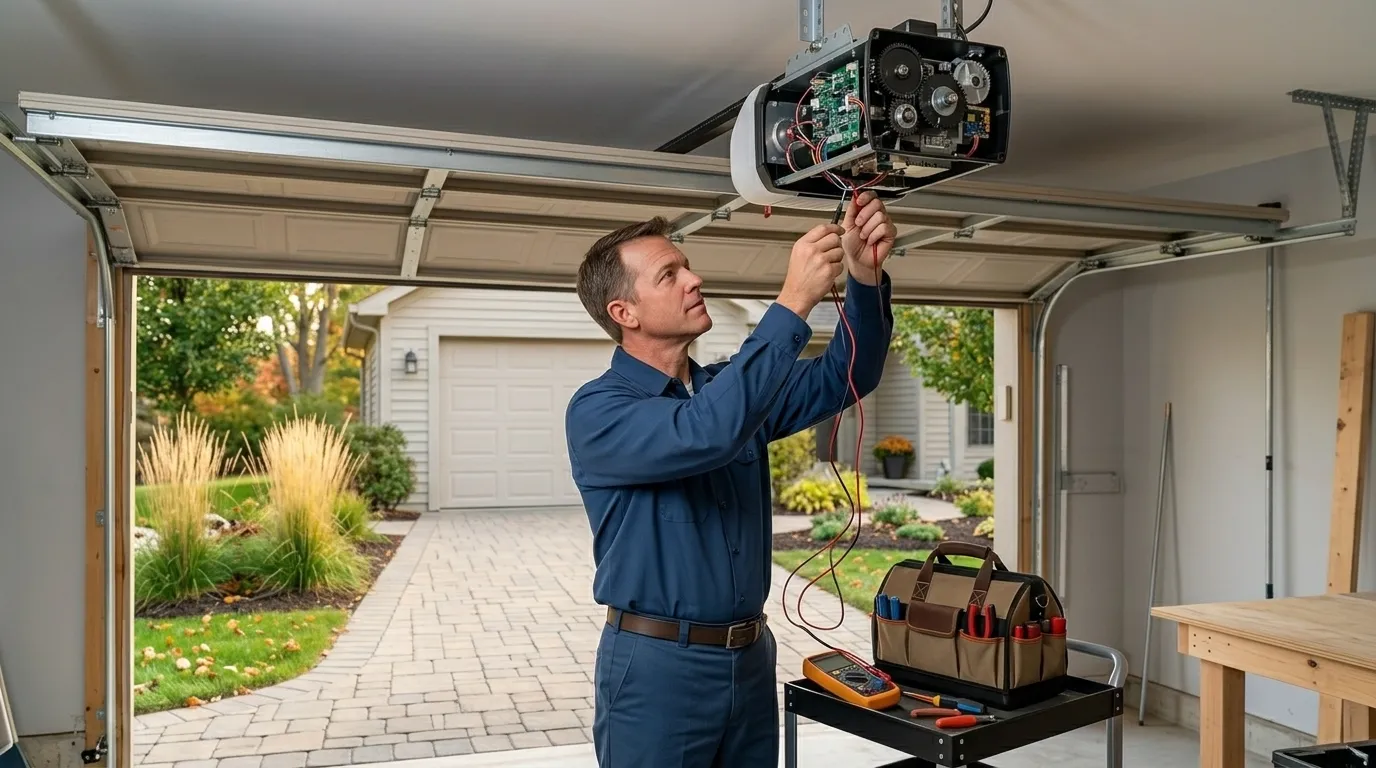
If your door reverses before it touches the floor, that's almost always the photo-eye sensors - a five-minute alignment fix, not a spring problem. If the opener runs but the door doesn't move, or moves an inch and stops, check the drive gear inside the opener housing before assuming it's the door itself; that gear is plastic on most builder-grade units from this build era and it strips over time. A door that's suddenly heavy to lift by hand, with the opener straining, points to a torsion spring losing tension - normal wear, not a sign anything was installed wrong. And if the whole opener goes dark, it's worth checking the wall switch and breaker before booking a call, since that's a fix that costs you nothing.
Doing It Yourself
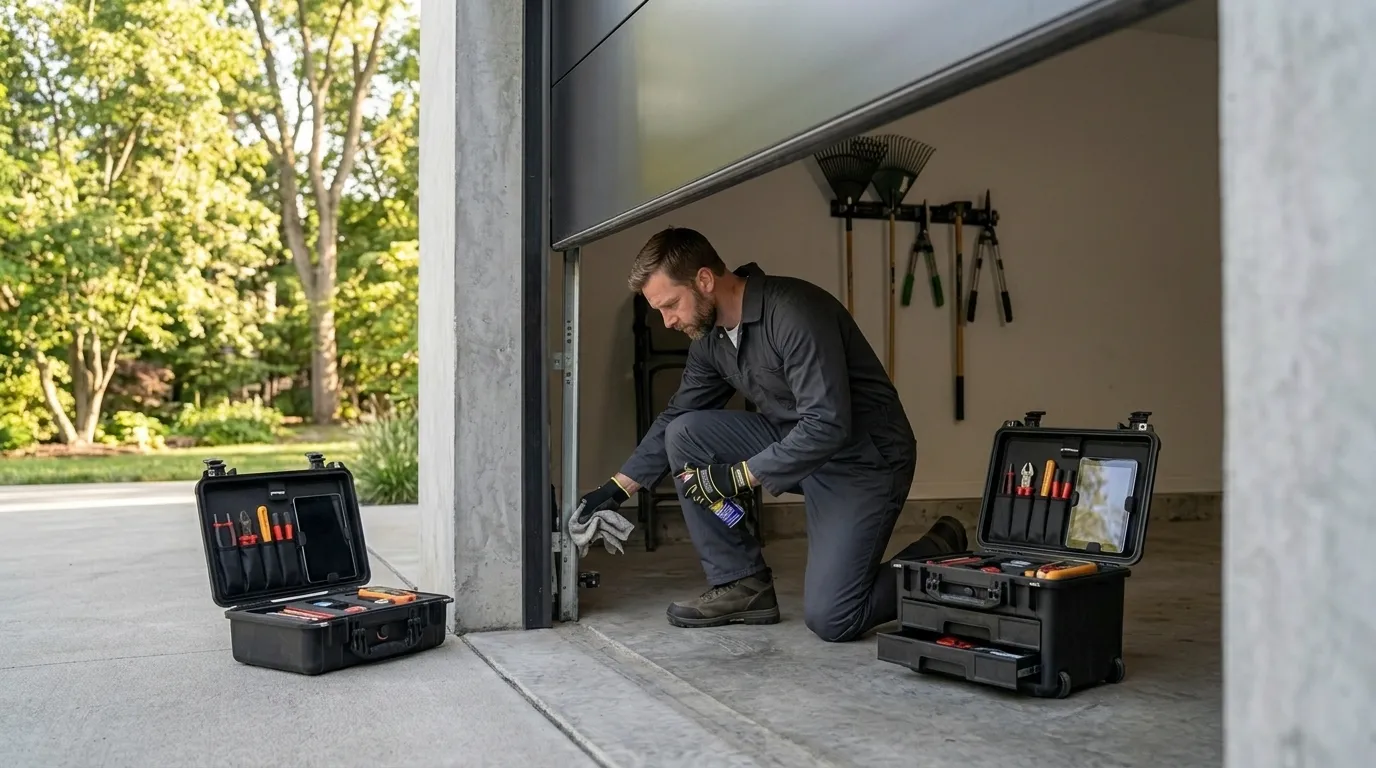
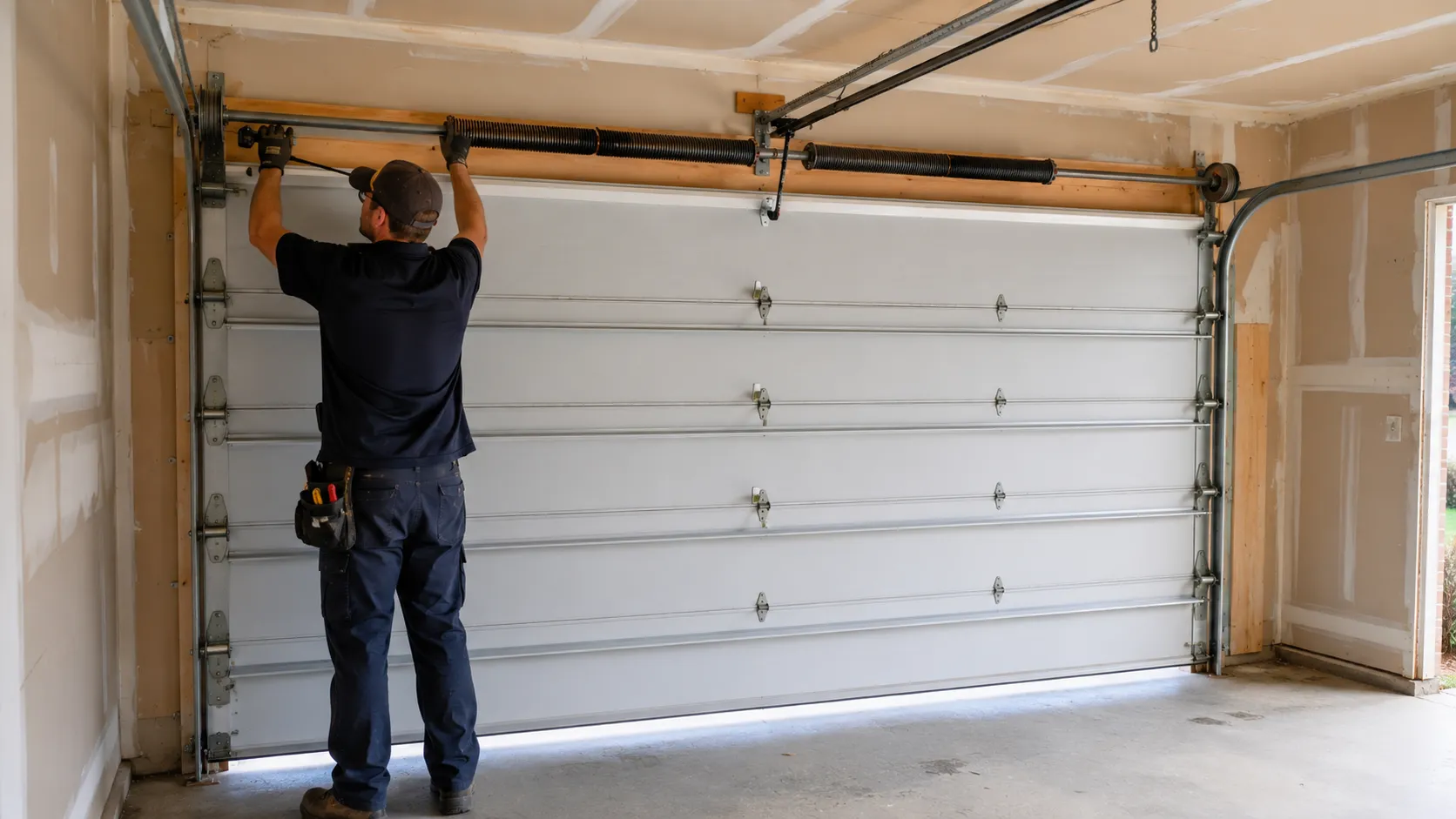
Sensor alignment, tightening loose hinge bolts, and lubricating rollers and tracks are all reasonable to do yourself, and doing them twice a year will stretch the life of a newer door considerably. What isn't reasonable: touching the torsion spring. Even on a door this age, that spring holds enough stored tension to break a wrist or worse, and the winding bars and clamps needed to do it safely aren't something most homeowners own or should buy for one job. If your opener's logic board is throwing an error code, don't start swapping parts - a board replacement is usually cheaper than the two or three parts someone might try first.
Why This Fails Locally
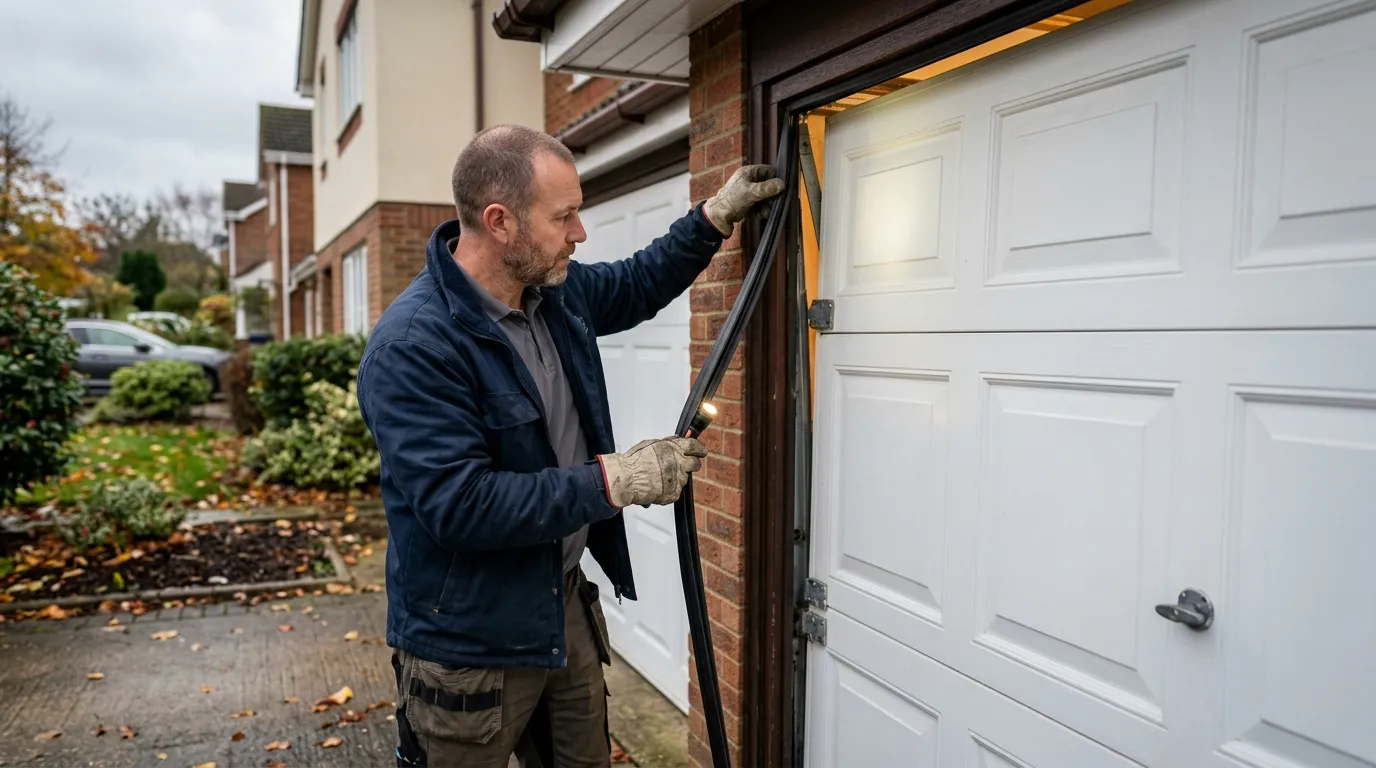
Cold winters here are moderate, not severe, but a temperature swing from a 60-degree afternoon to a 20-degree night still stiffens torsion spring steel and shrinks weatherstripping enough to let cold air past a door seal that fit fine in July. On a door built around 2012, that's not a structural issue - the door and frame are square and true, unlike the settled openings you'd find on a house built in the 1980s. The failure here is almost always mechanical wear catching up to a door that looked new for a long time: a spring rated for a certain number of cycles, an opener gear rated for a certain number of hours, both quietly running down while the door still looks and closes fine right up until the day it doesn't.