Parts We Carry
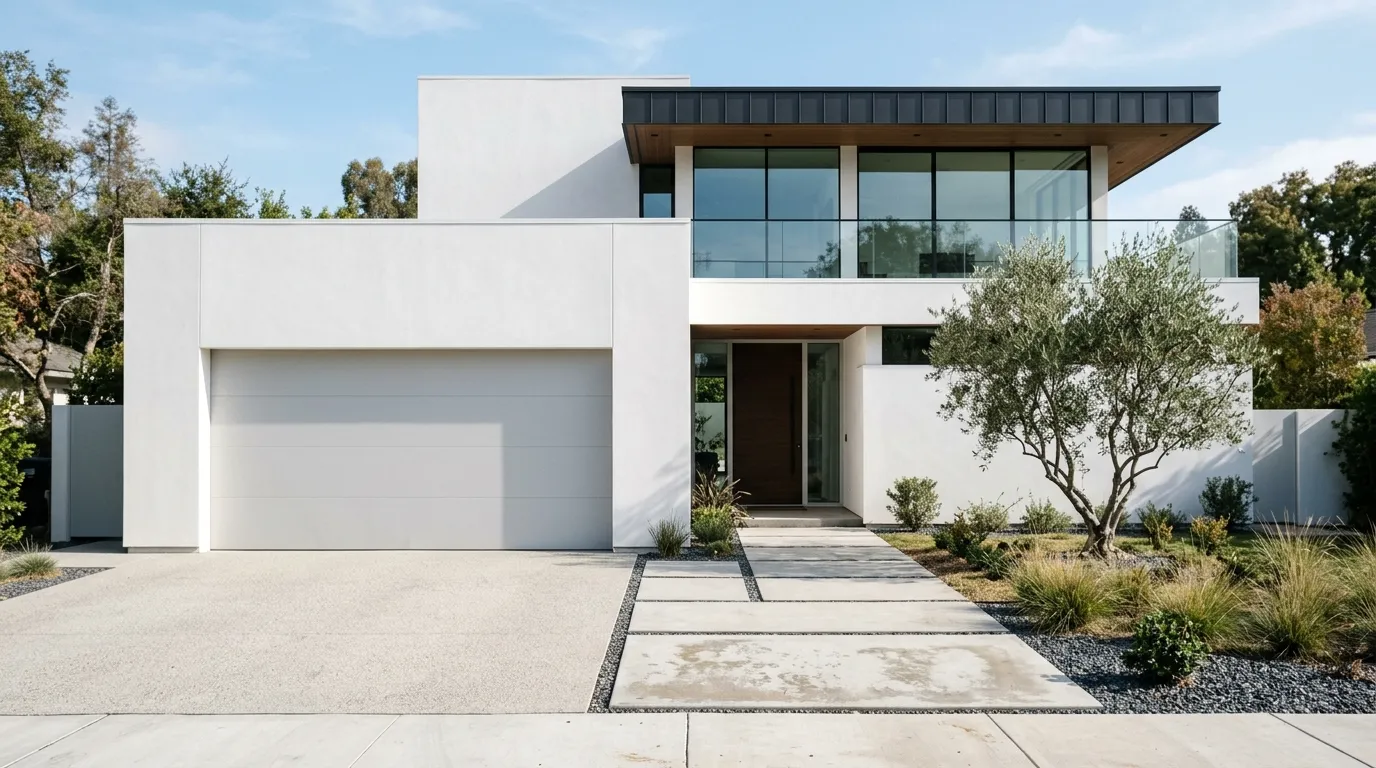
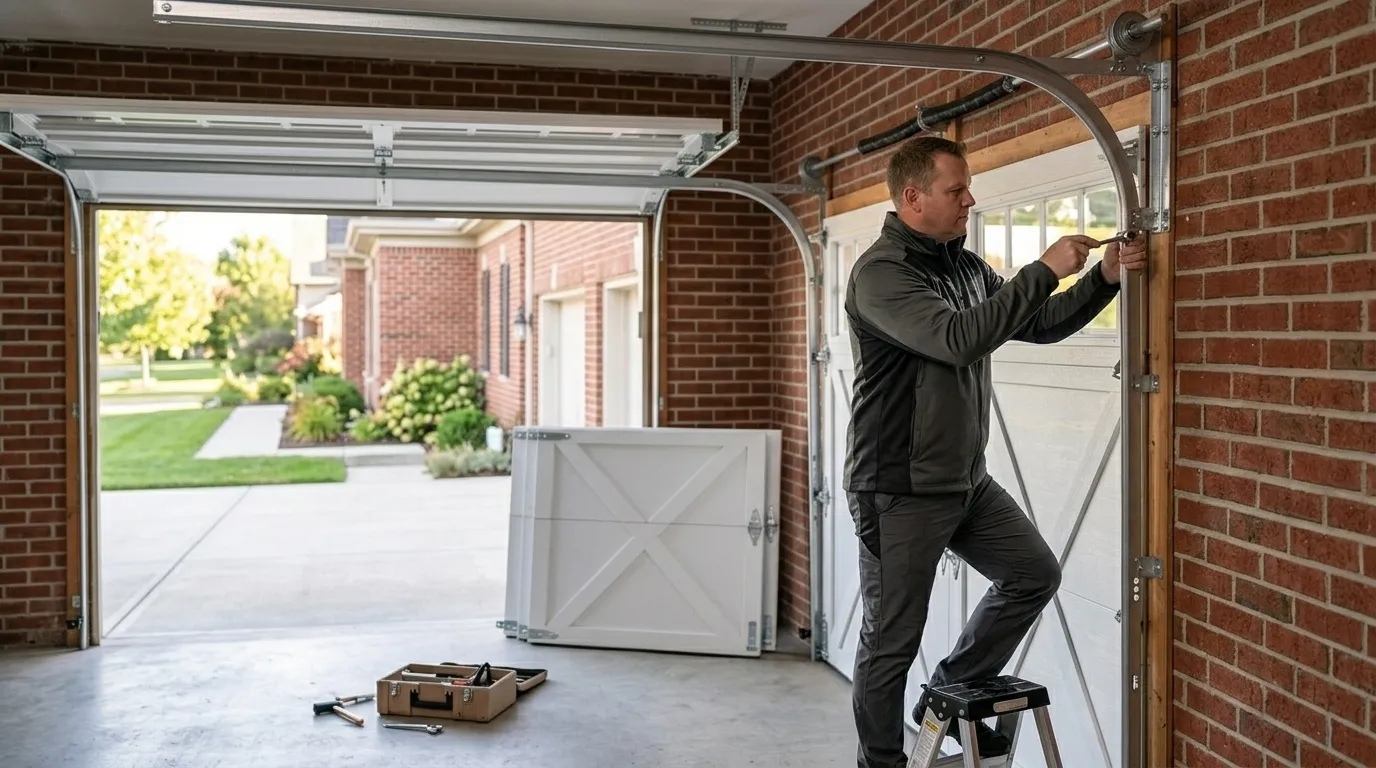
Nolensville sits sixteen miles from our shop, and that number decides what goes on the truck before we ever turn onto the road. The median house here was built around 2012 - close to twenty years newer than the 1994 median across the rest of the area we cover. That means galvanized torsion springs sized for lighter, insulated steel panels, nylon rollers instead of the old steel-on-steel kind, and openers running rolling-code logic with battery backup rather than the single-button units still common on older stock. We don't carry parts for one-piece wood doors or extension-spring setups on this route, because that hardware belongs to an earlier building era than what's actually sitting in Nolensville driveways. What we do carry is stocked for torsion systems on double-car doors, steel hinges rated for a heavier insulated section, and weatherstrip kits sized to modern jamb widths. If a job needs something outside that range, we say so on the call rather than guess and come back short. The drive is long enough that a wrong part means a second sixteen-mile trip, so we'd rather confirm the door's age and spec before we load the van than after.
What You Are Seeing
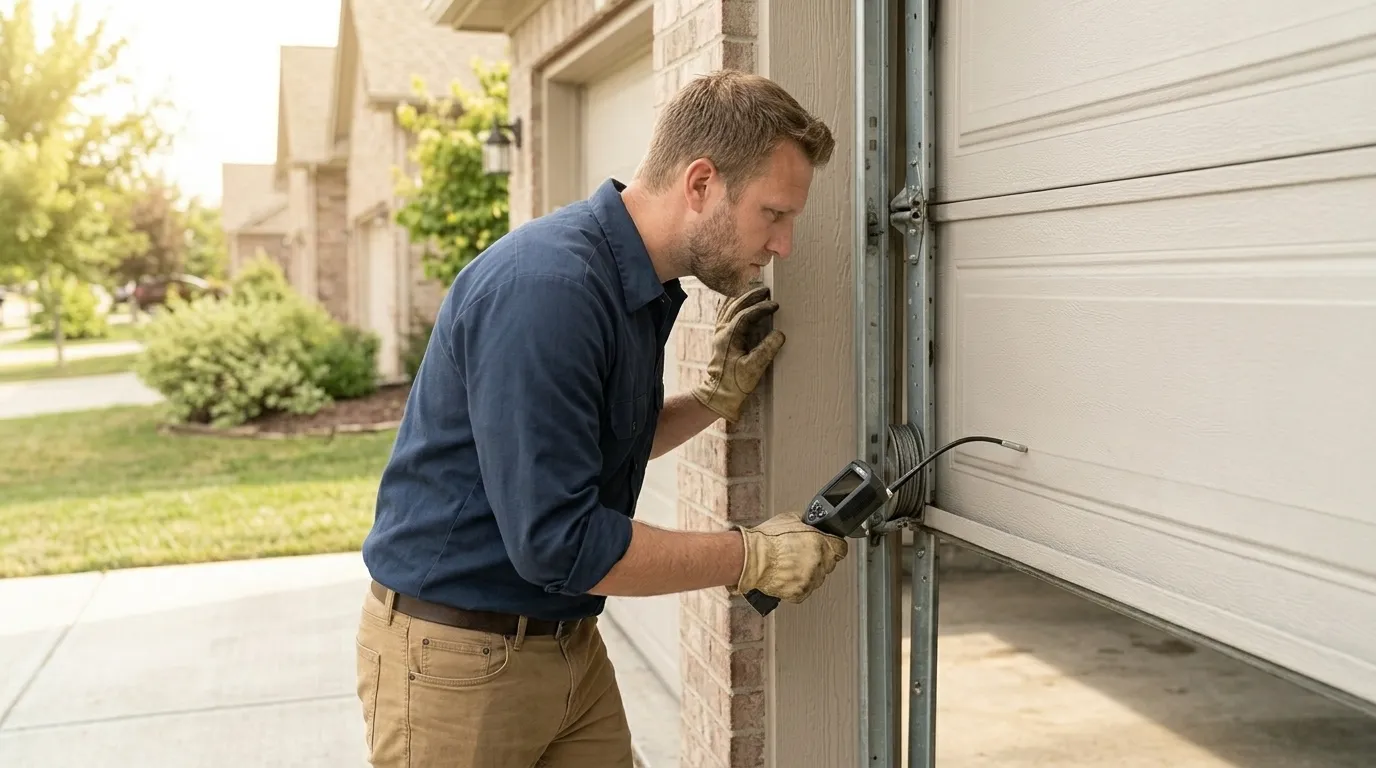
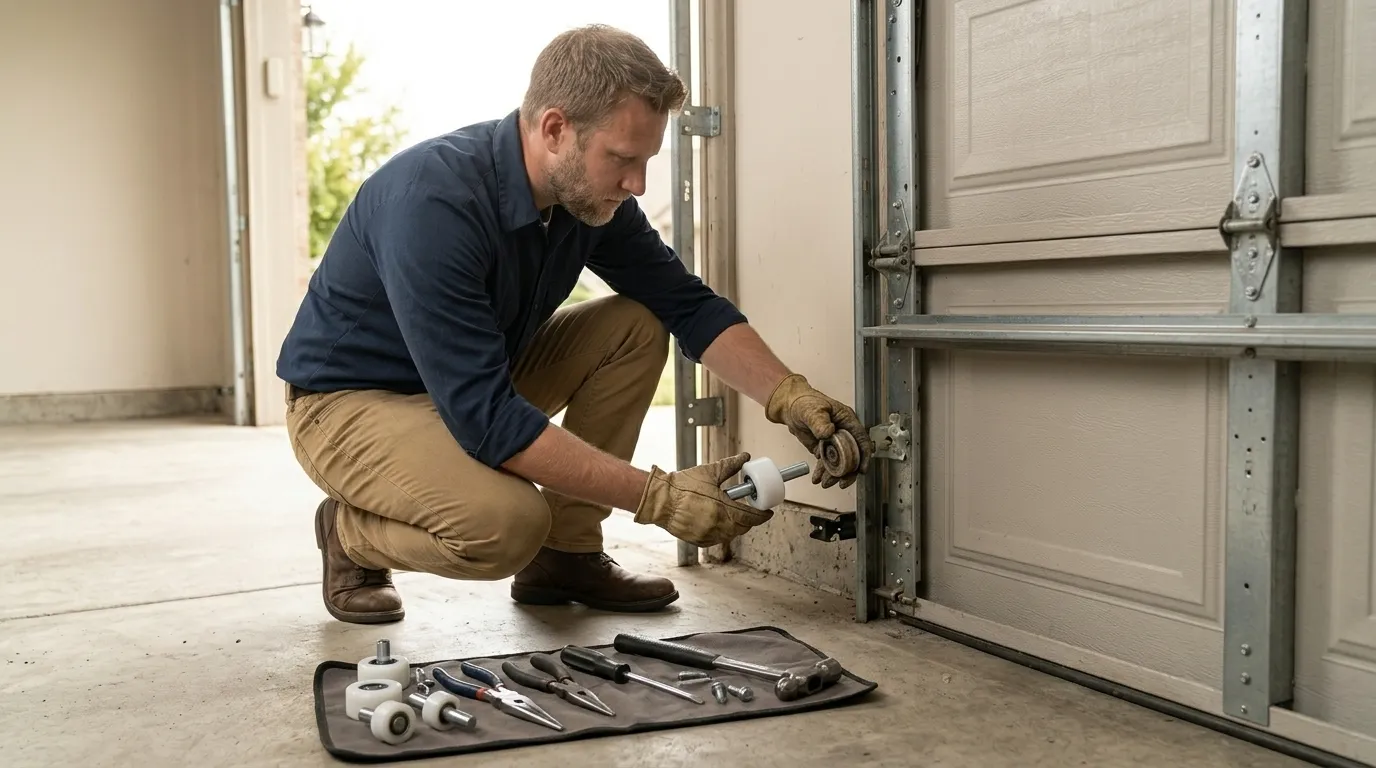
On a door built around 2012, the failures we actually find in Nolensville look different from what shows up on older stock. Nylon rollers wear down and start sounding like a shopping cart wheel - that's normal use, not a sign the door is failing. Weatherstrip along the bottom panel cracks and lets cold air in after a few winters in a cold-moderate climate, especially on the side that gets more sun exposure. Opener sensors drift out of alignment enough to make the door reverse for no visible reason, which owners often mistake for a spring problem. What we rarely see here is a snapped torsion spring on a door that's only run a few thousand cycles - that's more common on the fifty- and sixty-year-old stock elsewhere in the service area, not on a house built in the last fifteen years. If your door hesitates, reverses, or makes a new noise, it's worth naming exactly what you're hearing and when it happens, because on newer hardware the fix is usually adjustment, not replacement.
Doing It Yourself
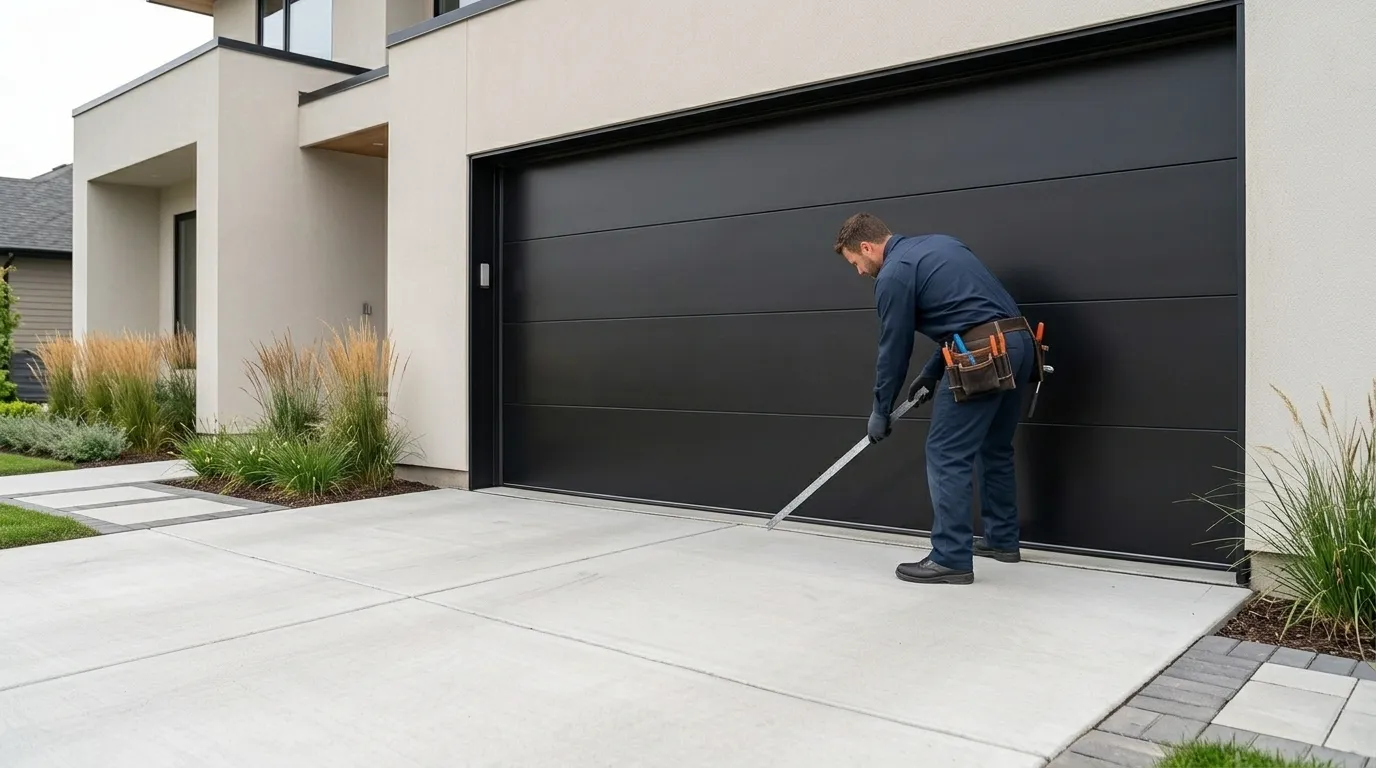
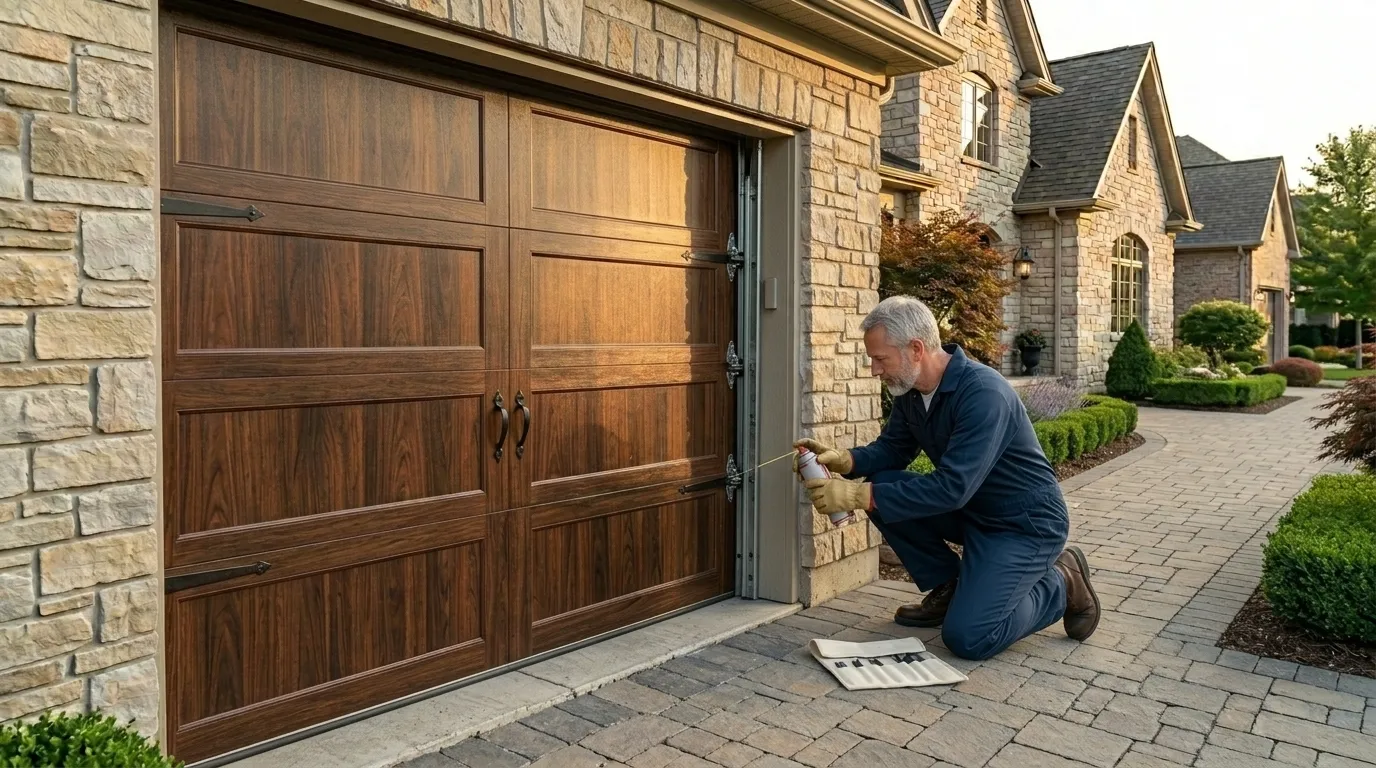
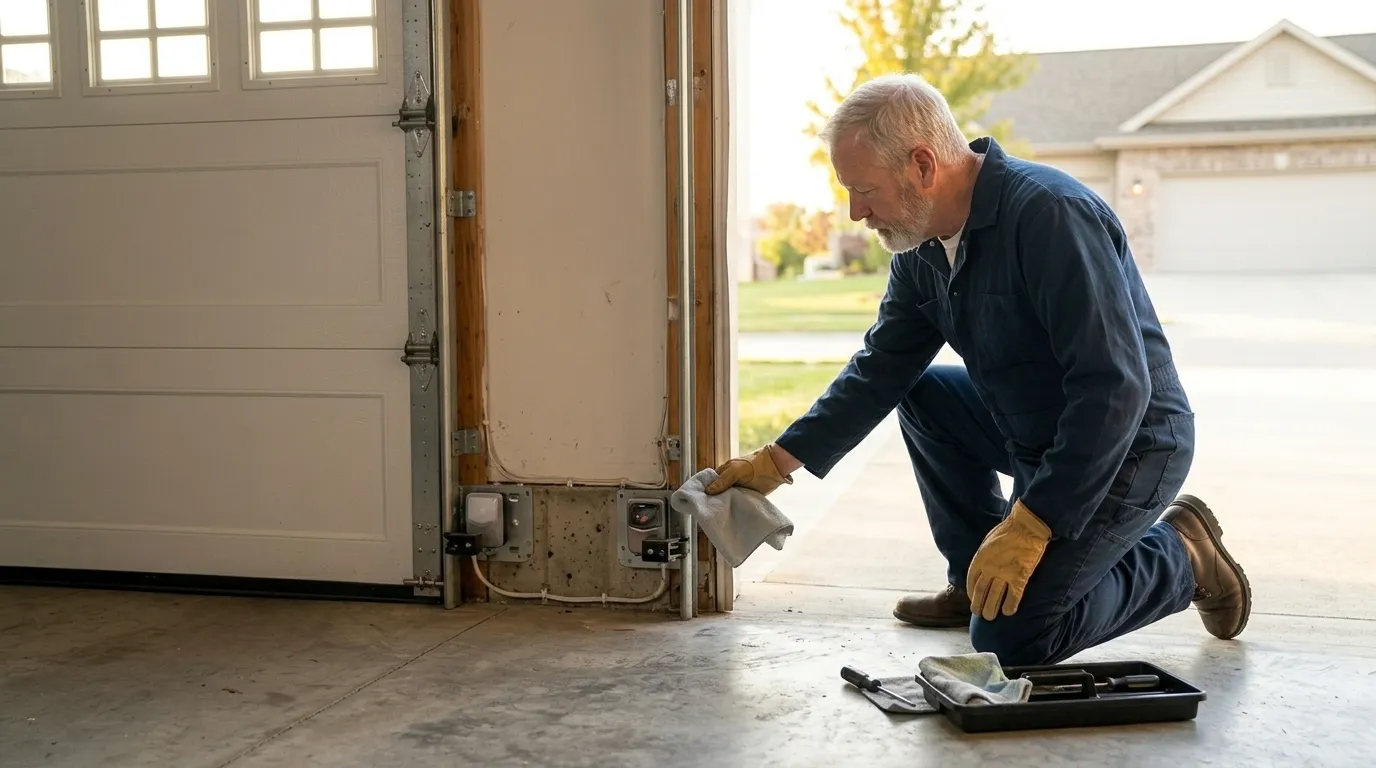
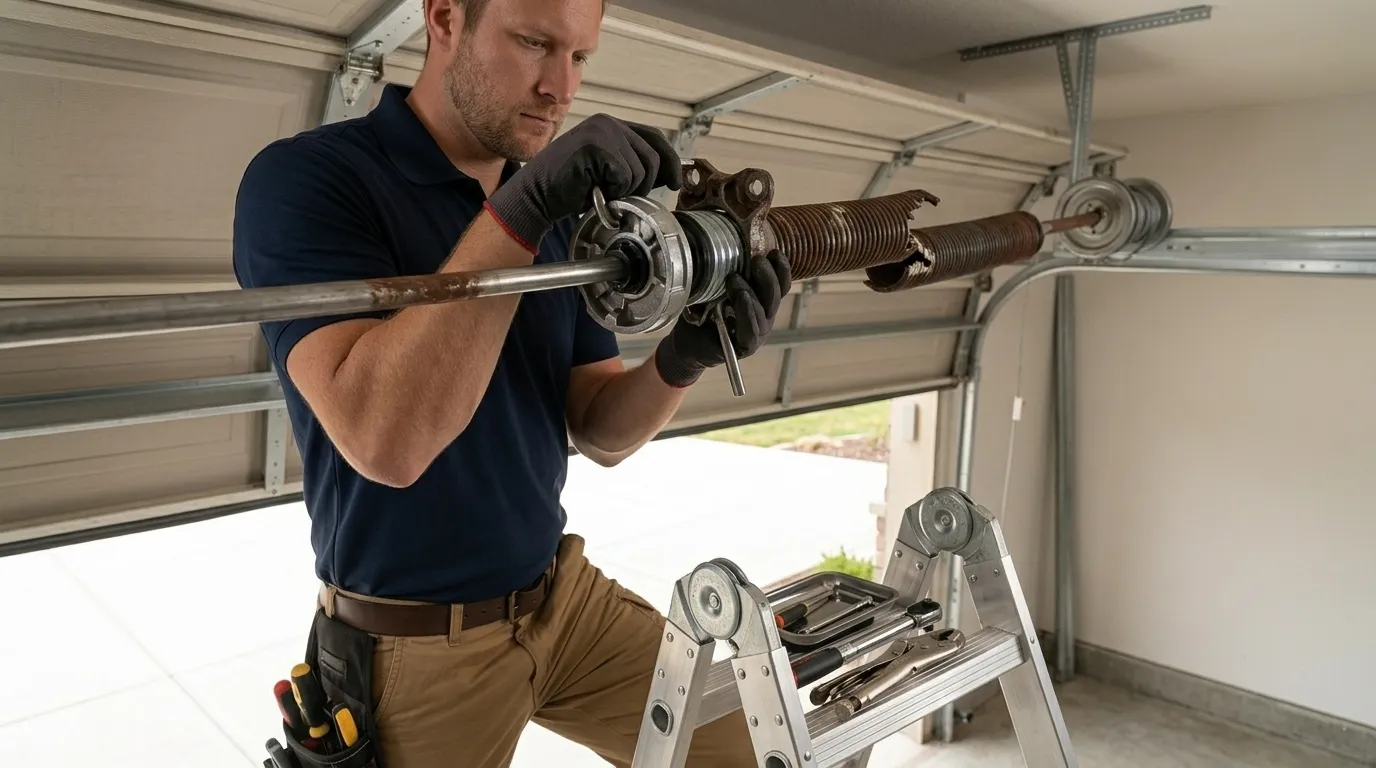
There's real maintenance an owner can do between visits. Wipe down the tracks and check for anything bent or loose. Test the auto-reverse by laying a piece of wood flat under the door and closing it - it should stop and reverse on contact. Look at the weatherstrip for cracking, especially after a cold spell. Lubricate rollers and hinges with a garage-door-specific lubricant, not household oil, which attracts grit. What we don't recommend doing yourself: opening the opener's control board, touching torsion spring tension, or diagnosing a photo-eye fault by swapping sensor positions blind. Those are the jobs where a mistake either strips a warranty on newer electronics or puts a hand near a spring under load. Given how far out the drive is, it's tempting to want to fix a small issue rather than book a full visit, and for the basics above that's fine. For anything involving the spring or the opener's internal logic, the honest answer is that a phone diagnosis is a guess, and a wrong guess on a fifteen-mile round trip wastes everyone's afternoon. Call it in and describe exactly what the door is doing.
Why This Fails Locally
A generic maintenance checklist written for the whole service area assumes a mix of 1960s one-piece doors and 2010s insulated steel - and Nolensville isn't that mix. With a median build year around 2012 and close to 4,429 households mostly in that newer stock, the checklist items about wood rot, single-spring extension setups, and non-insulated panels just don't apply here. At a median household income of $170,068, well above the $84,310 median for the area as a whole, owners here are also more likely to have paid for the higher-end opener with battery backup and smart features, which means the maintenance conversation is about firmware and sensor calibration as often as it's about grease and rollers. A page written for the average of the whole area - spanning places from eight miles out to Woodbury at twenty - flattens all of that into one set of advice that fits none of the specific towns well. Nolensville's own numbers point to a different set of failure points than Murfreesboro's older neighborhoods, and a maintenance visit planned around the wrong assumptions wastes the sixteen-mile drive on the wrong fix.