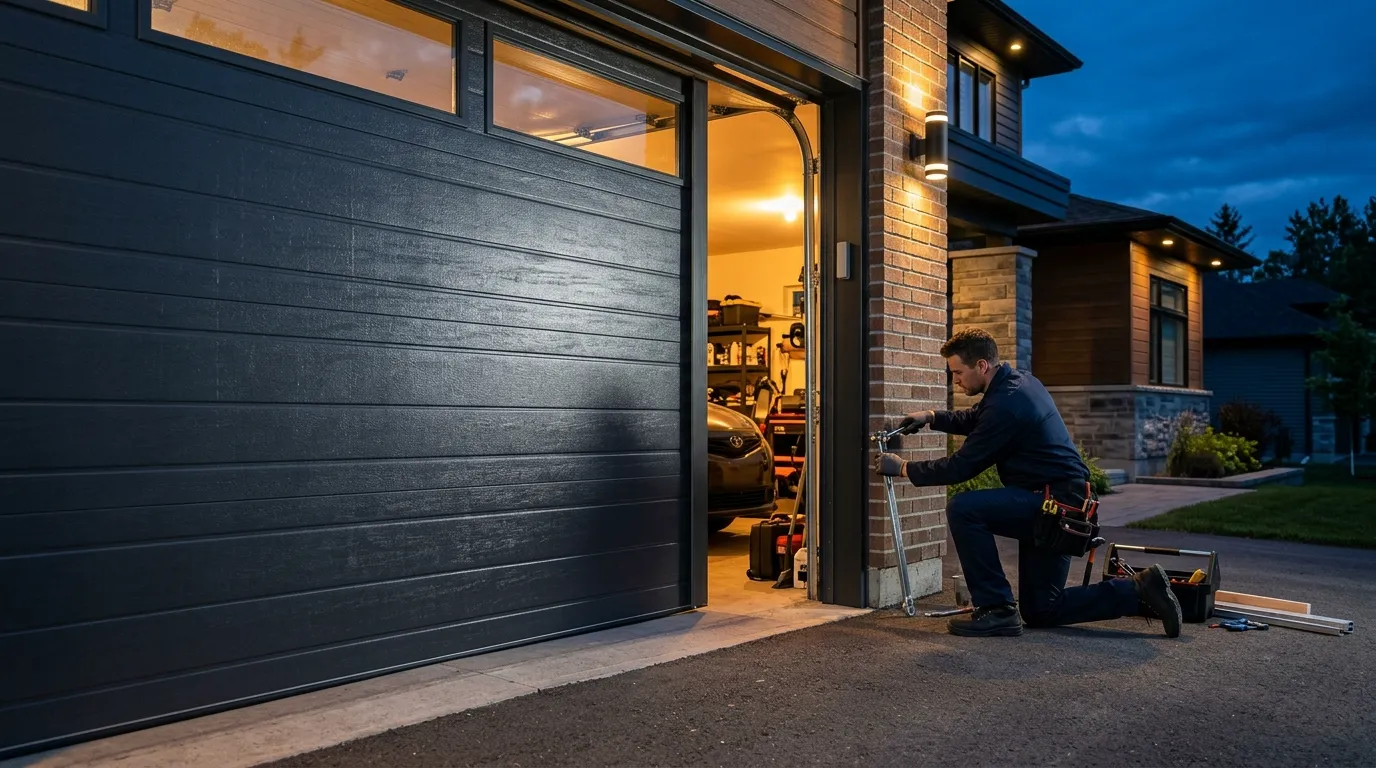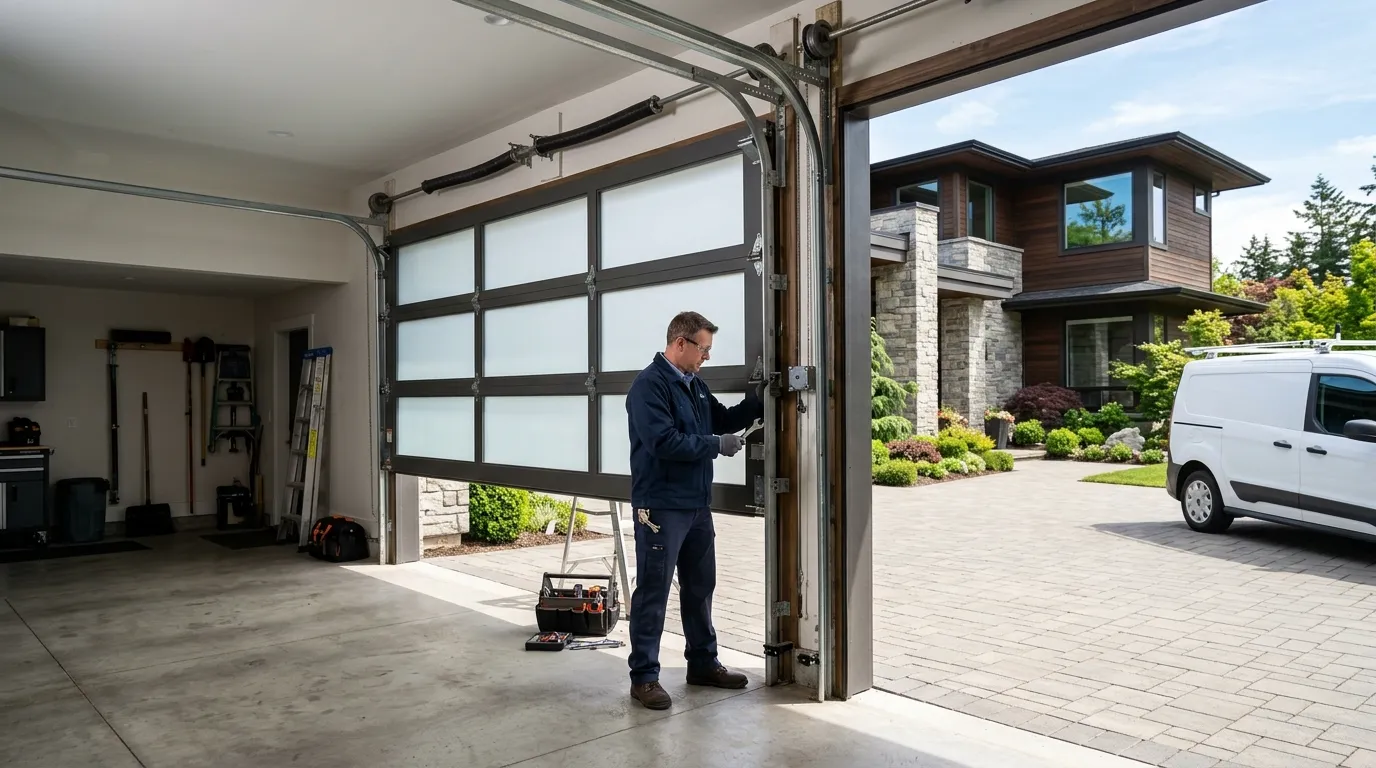
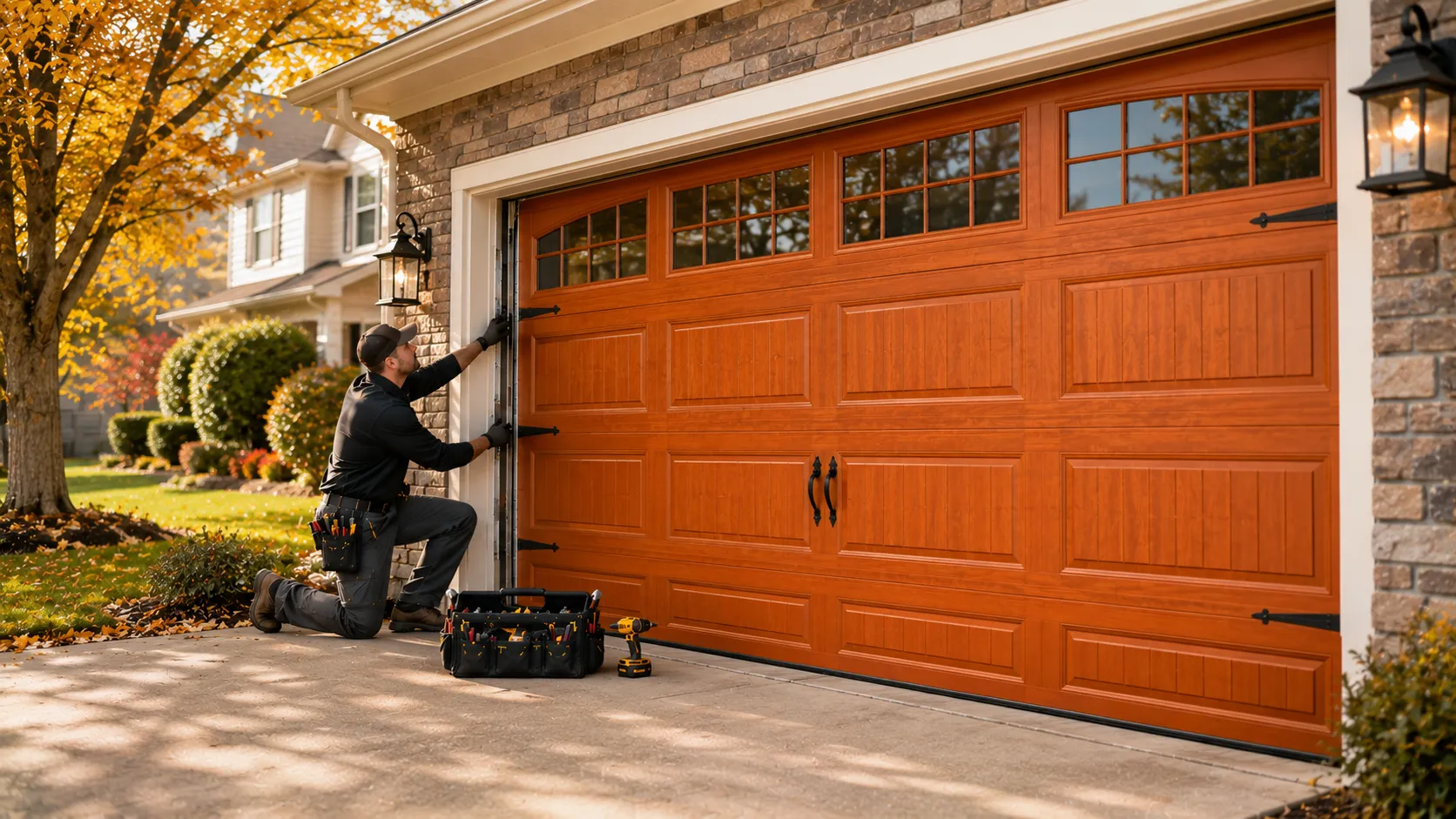
Parts We Carry
Nolensville's median home was built in 2012, about two decades newer than the 1994 median across the rest of the Murfreesboro Garage Door Co service area. That gap matters more than it sounds. Older housing stock still runs plate-mounted torsion springs, single-layer steel panels, and openers from a couple of generations back. Nolensville skews the other direction - factory-installed torsion systems on standard brackets, insulated steel or composite panels, and openers with rolling-code receivers and photo-eye sensors already wired in.
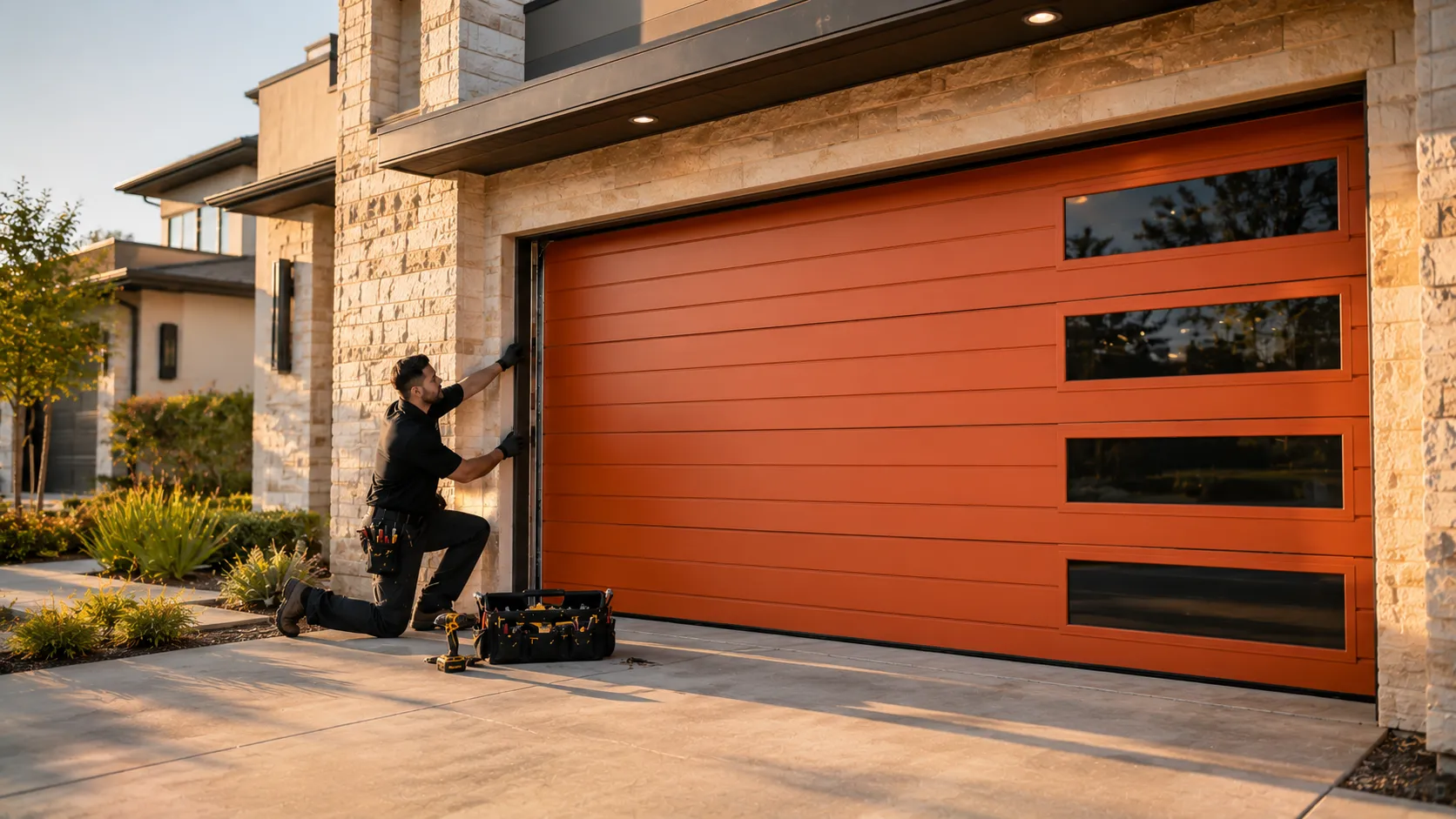
We carry the parts for both eras because the service area spans them, but on a Nolensville call we're usually reaching for standard-gauge torsion springs sized for a two-car door, factory-matched rollers, and sensor and logic-board parts for openers still well inside their working life. We don't stock every proprietary opener board on the truck - some newer smart-opener models need a part ordered in, and we'll tell you that up front rather than pretend otherwise.
The upside of newer stock is straightforward: less rust on hardware, less warped wood in jambs, fewer springs that have simply worn past their wind count. The doors here are mostly still doing what they were built to do.
What You Are Seeing
With 4,429 households in Nolensville against 20,058 across the broader service area, this is a smaller pocket of newer builds, and the failures read differently than they do on older streets. Because most doors here are still well inside their original service life, a full torsion spring failure - the classic loud bang and a door that won't budge - is less common than it is on 1980s stock.
What we see more often: a photo-eye sensor knocked out of alignment during a move-in or a landscaping job, an opener bracket that's worked loose as a newer frame settles, or a remote that's lost its pairing after a power blip. These are real stoppages - the door won't close, or it reverses halfway - but they're not structural failures of old hardware giving out.
When a spring does go on a Nolensville door, it's more often because the door was sized heavier than the original spring accounted for, not because the spring simply aged out. Cable fraying from twenty years of cycling is rare here for the same reason - the hardware hasn't had twenty years yet.
Doing It Yourself
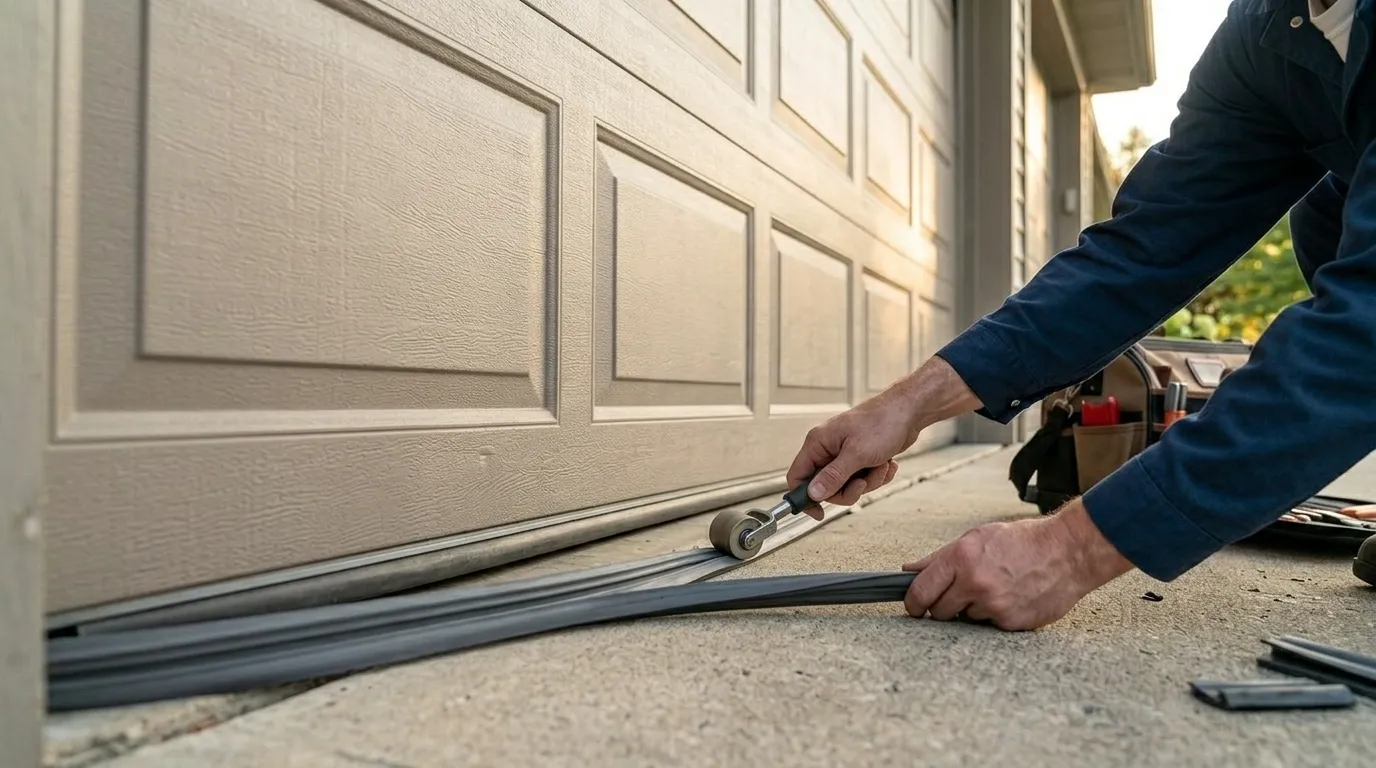
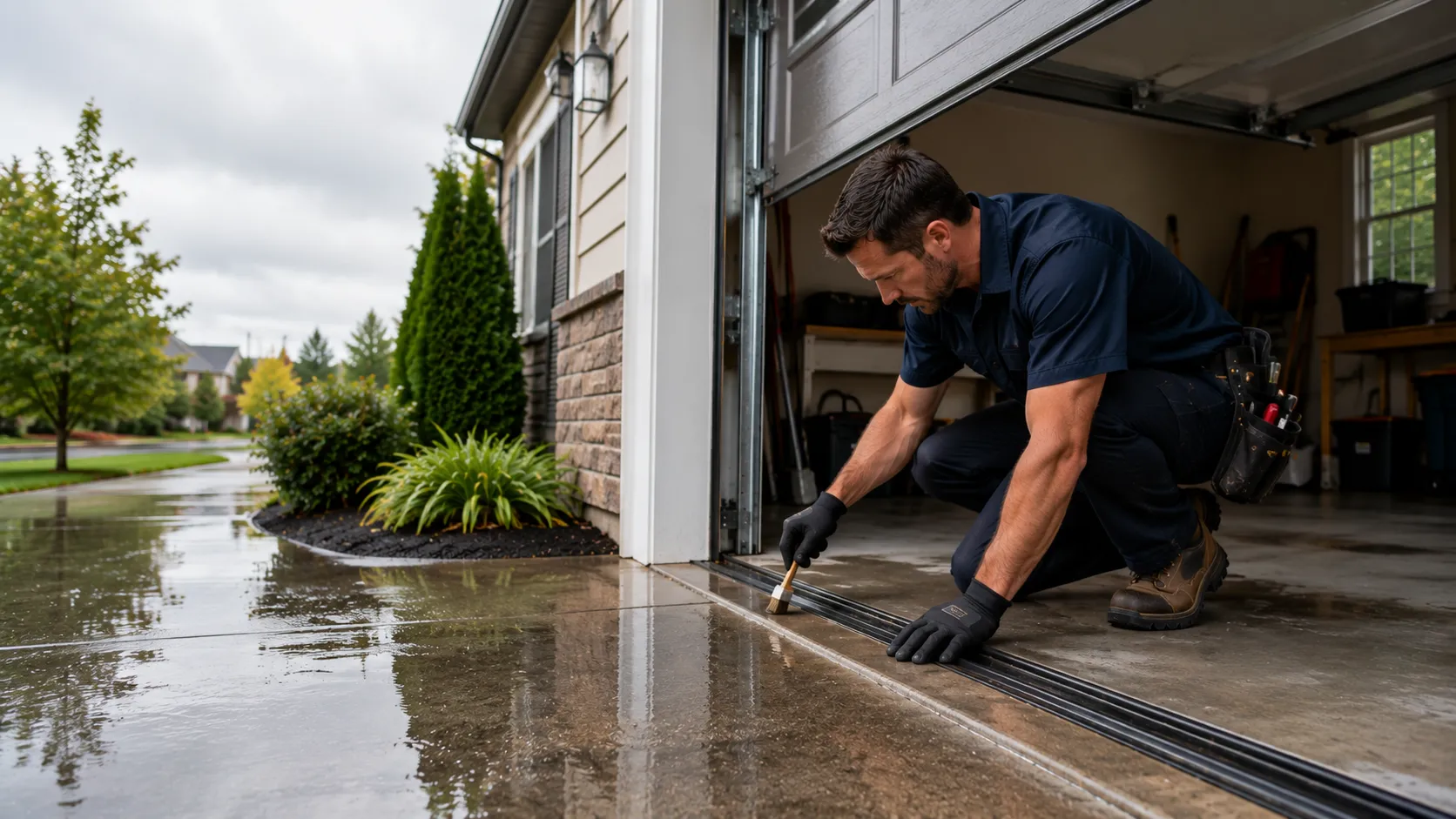
Some of this you can check before calling anyone. If the door reverses or won't close, look at the two photo-eye sensors near the bottom of the tracks - a smudge, a stray box, or a sensor bumped out of alignment is the single most common cause on newer installs, and it's a five-minute fix with no tools. Weatherstrip that's stiff or cracked at the bottom of the door is another one you can spot yourself, though replacing it cleanly on an insulated panel door takes a bit of care.
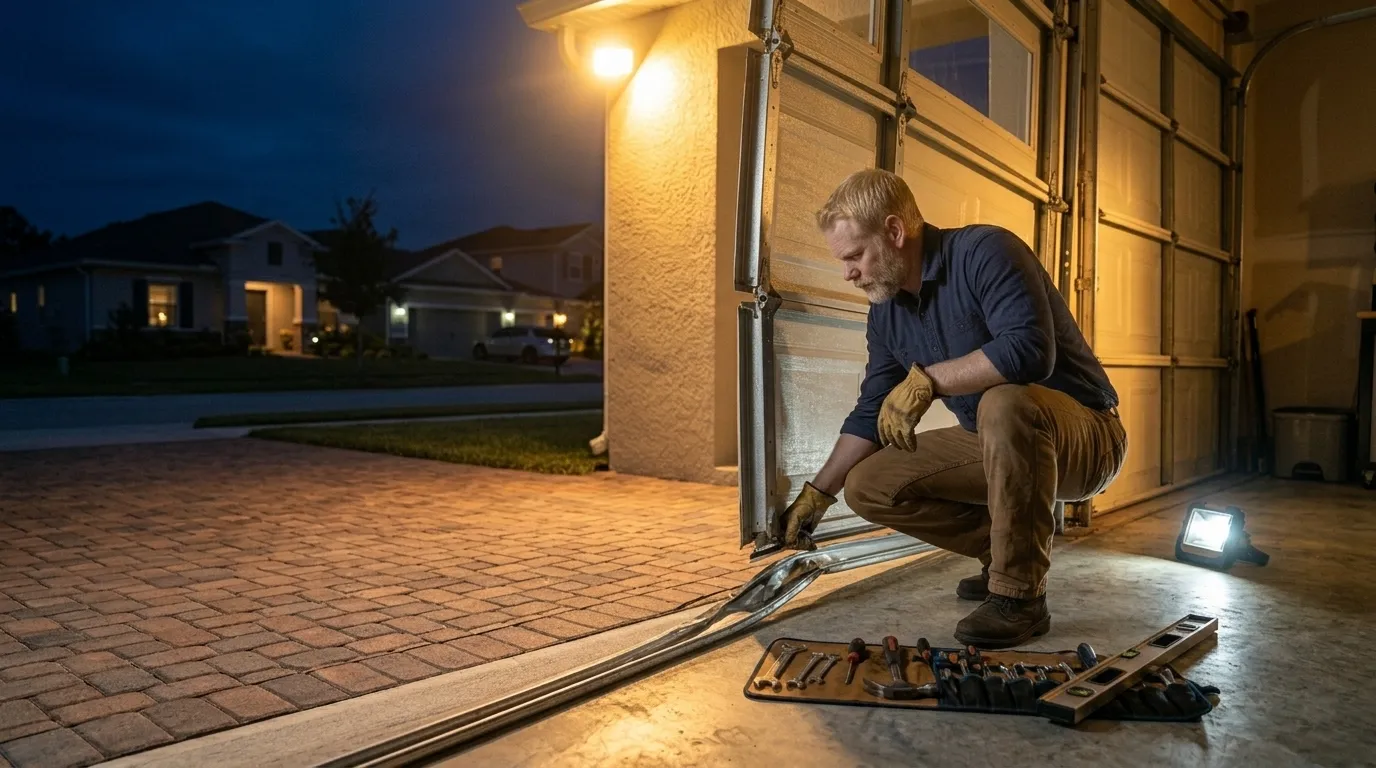
What you should not do is touch a torsion spring. Even on a newer, lighter-wound spring, the tension stored in that coil can break a bone or worse if it lets go while you're working on it. If your door has one spring across the top rather than two, or if you can see any rust or a spring that looks slightly separated at a coil, that's a call, not a project.
Honest limitation: if the opener is a newer smart model, some boards aren't something we carry on the truck, and a repair on that specific part may mean a short order-in delay rather than a same-visit fix.
Why This Fails Locally
A lot of garage door pages get written once for a city and then copied across every suburb with the name swapped. That doesn't hold up in Nolensville. The rest of the Murfreesboro service area has a median build year of 1994; Nolensville's median is 2012. A repair page written for 1990s hardware - worn cables, aging plate-mounted springs, wood jambs gone soft - is describing a house that mostly isn't here.
Nolensville is also the smaller side of the map, 4,429 households against the service area's 20,058, and the higher median income changes what got installed in the first place: bigger doors, more insulation, more custom hardware sized above builder-grade. A generic page can't account for any of that, and a homeowner searching from Nolensville can usually tell within a paragraph whether the writer actually looked at the numbers or just changed a place name.