Parts We Carry
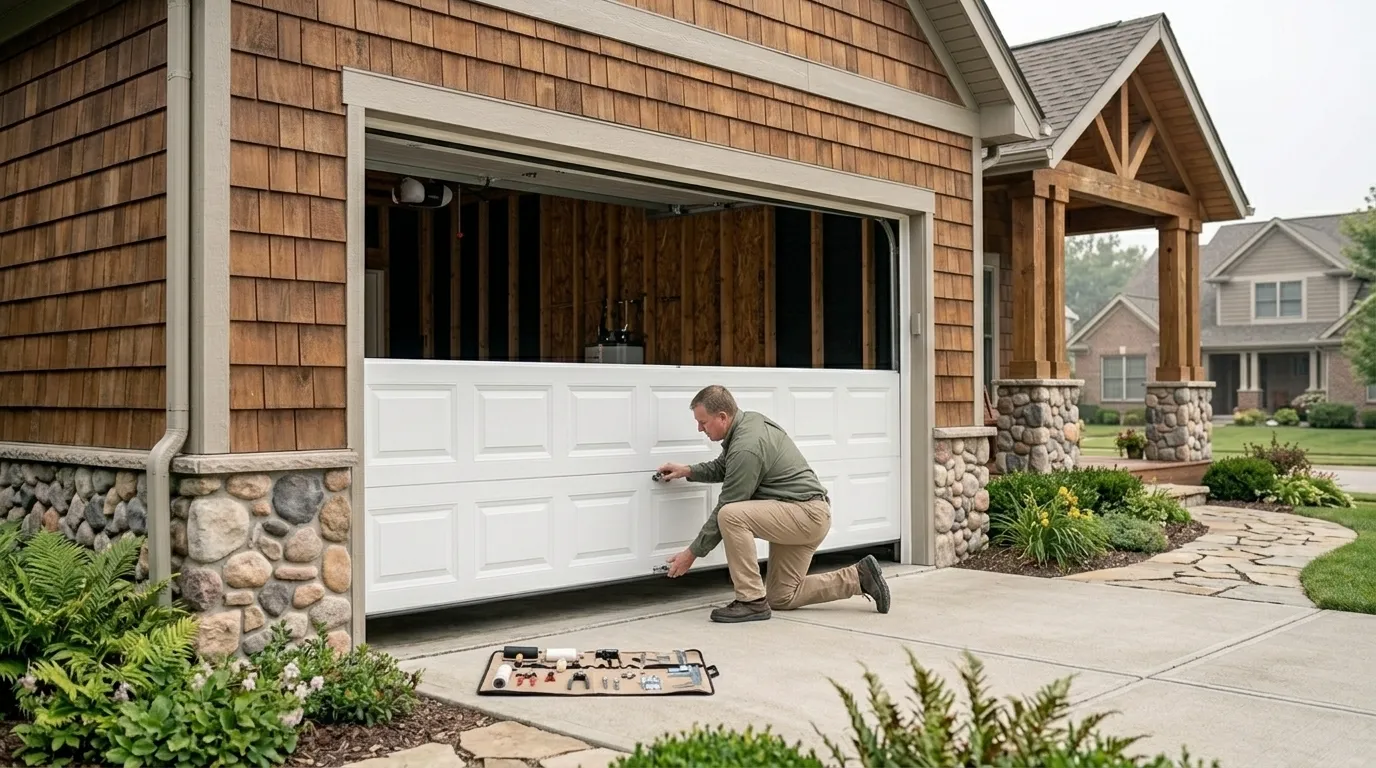
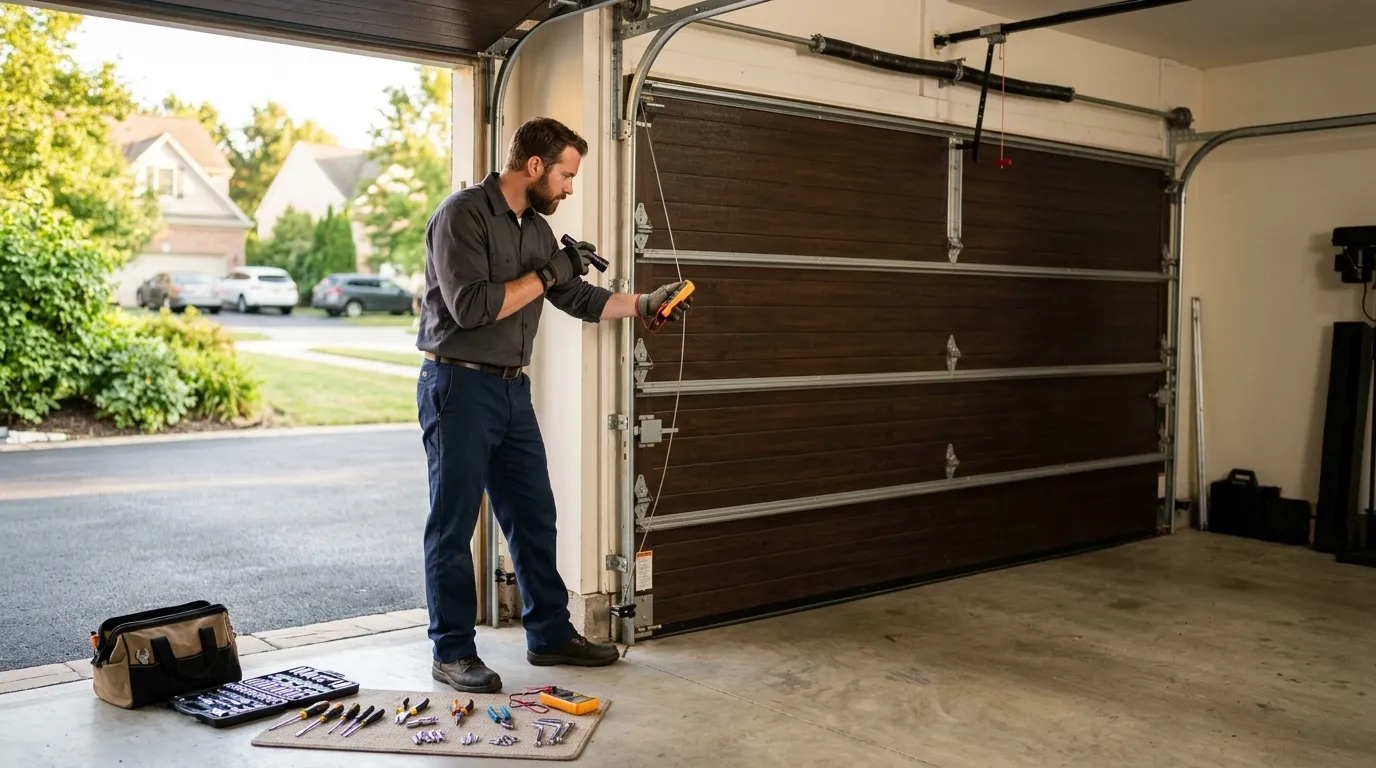
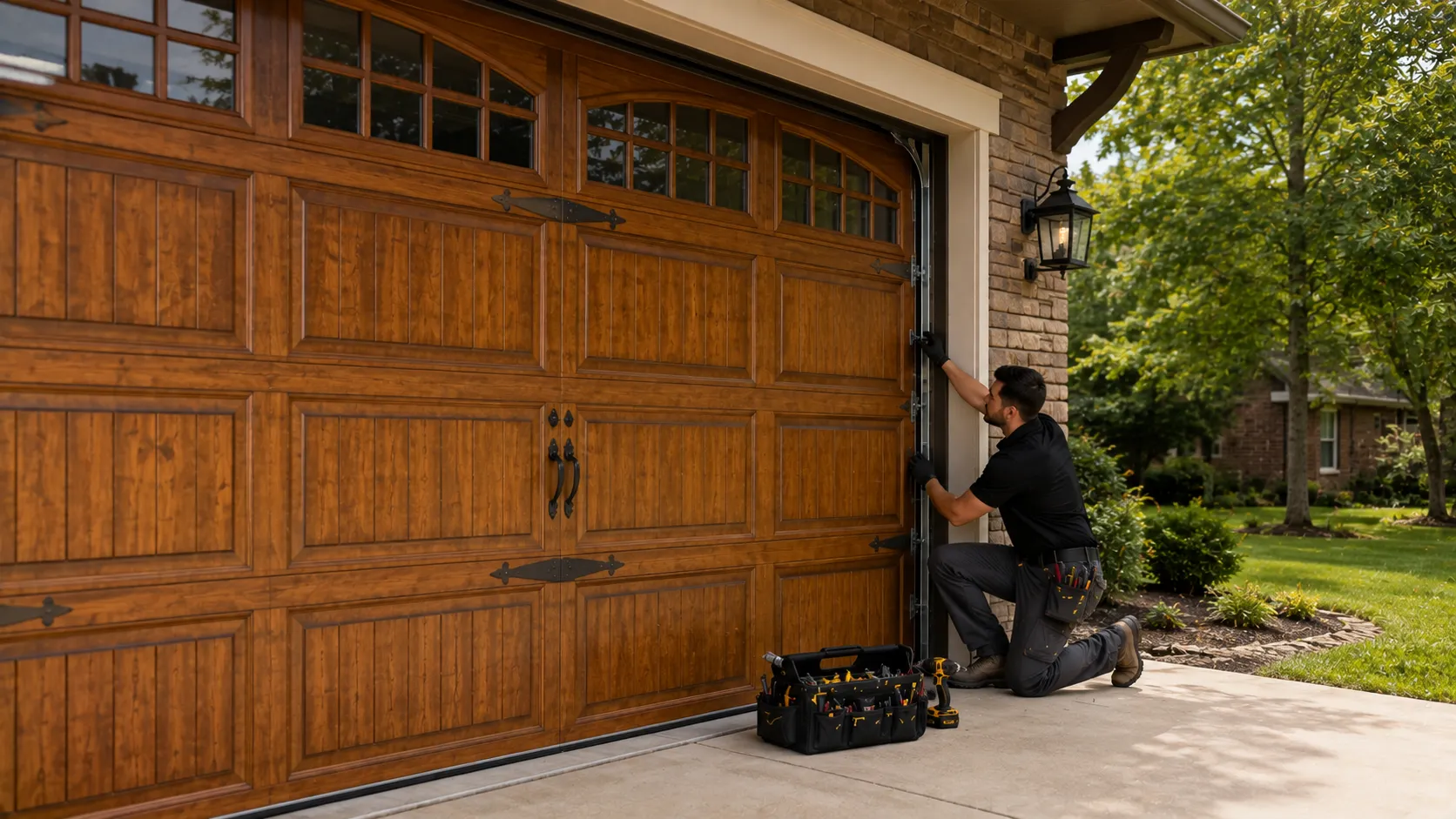
Most of Nolensville went up around 2012, which is a different starting point than the rest of the territory we cover out of Murfreesboro, where the median build year runs closer to 1994. That matters for a new install because a 2012-era house was framed for a standard steel sectional door on a torsion spring system with a factory-set opener bracket, not the older extension-spring setups you still find on houses built before the 1990s. When we install new here, we're almost always working with modern rough openings, R-value-rated wall cavities, and headroom that already assumes an insulated door. That's a shorter list of surprises than we run into on the older stock closer to Murfreesboro proper. We carry insulated steel sections in standard 8 and 9-foot widths, torsion spring sets sized to door weight, and openers with the wall-mount head units that fit newer garage ceilings without extra bracing. What we don't stock on the truck is anything custom to a house that hasn't been built yet with us there - we quote those on site.
Because the housing here trends newer, we spend less time retrofitting brackets or track for an opening that was never square in the first place. That's a plus for install day, not a reason to skip the walk-through.
What You Are Seeing
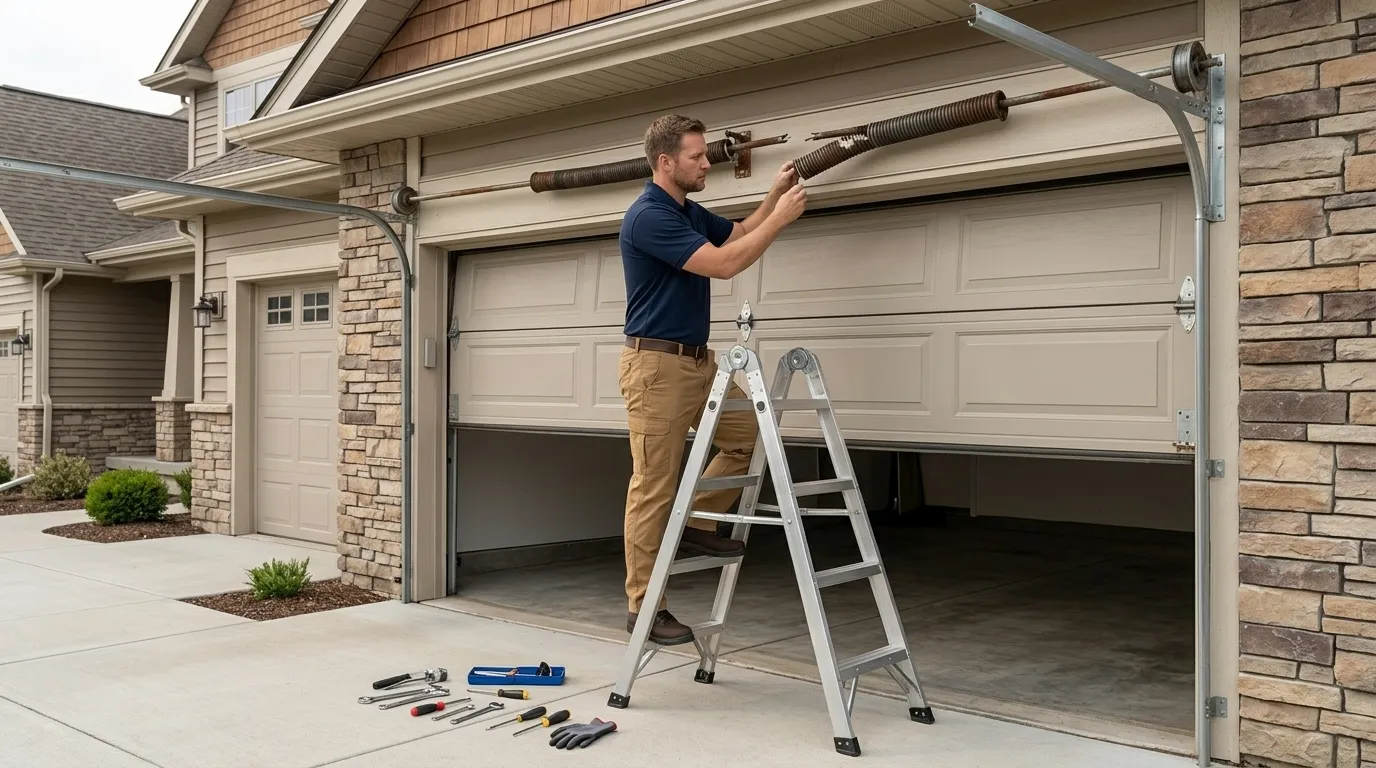
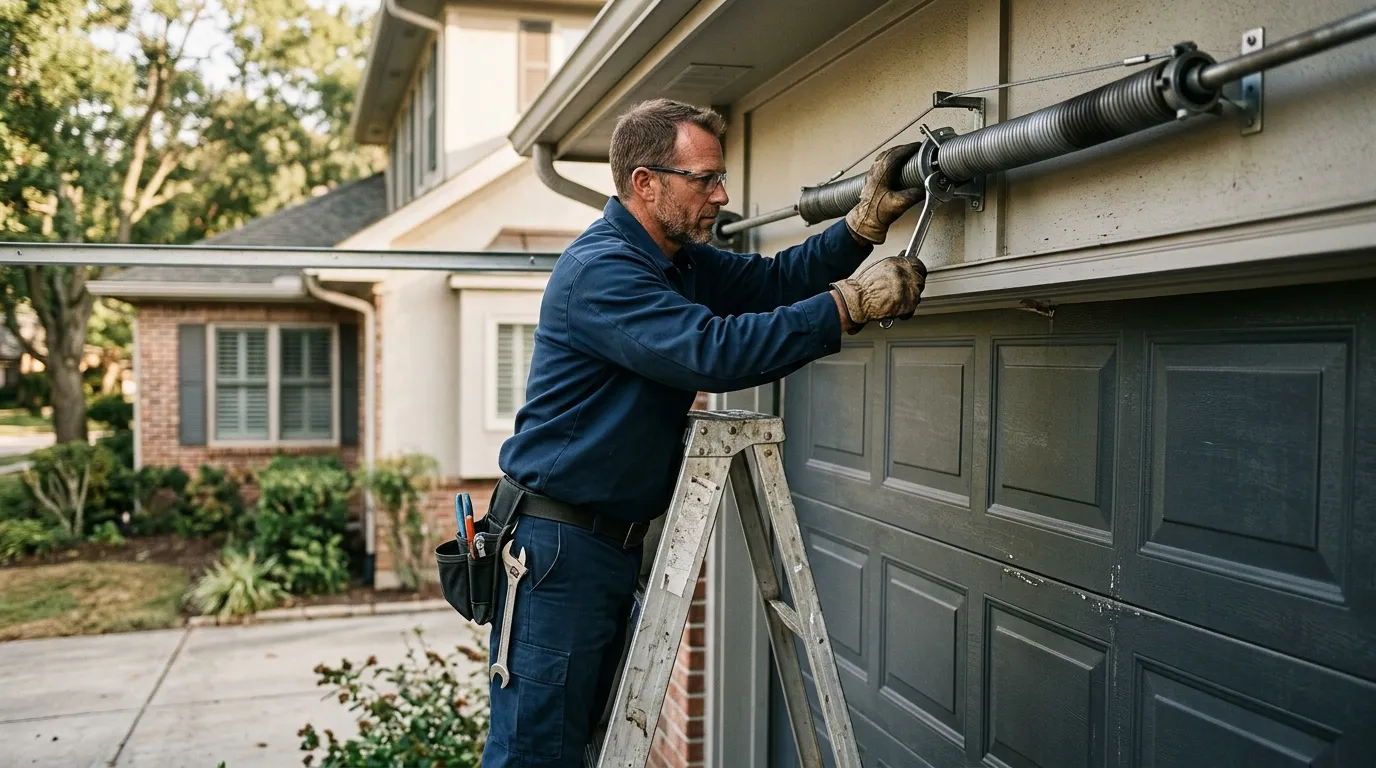
If your door is original to a house built anywhere close to 2012, you're at the point where the torsion spring is nearing the end of its cycle life even though nothing else looks worn. Springs don't announce themselves with rust the way older extension springs do - they just snap. If the door feels heavier to lift by hand than it did a year ago, that's the spring losing tension, not the opener failing.
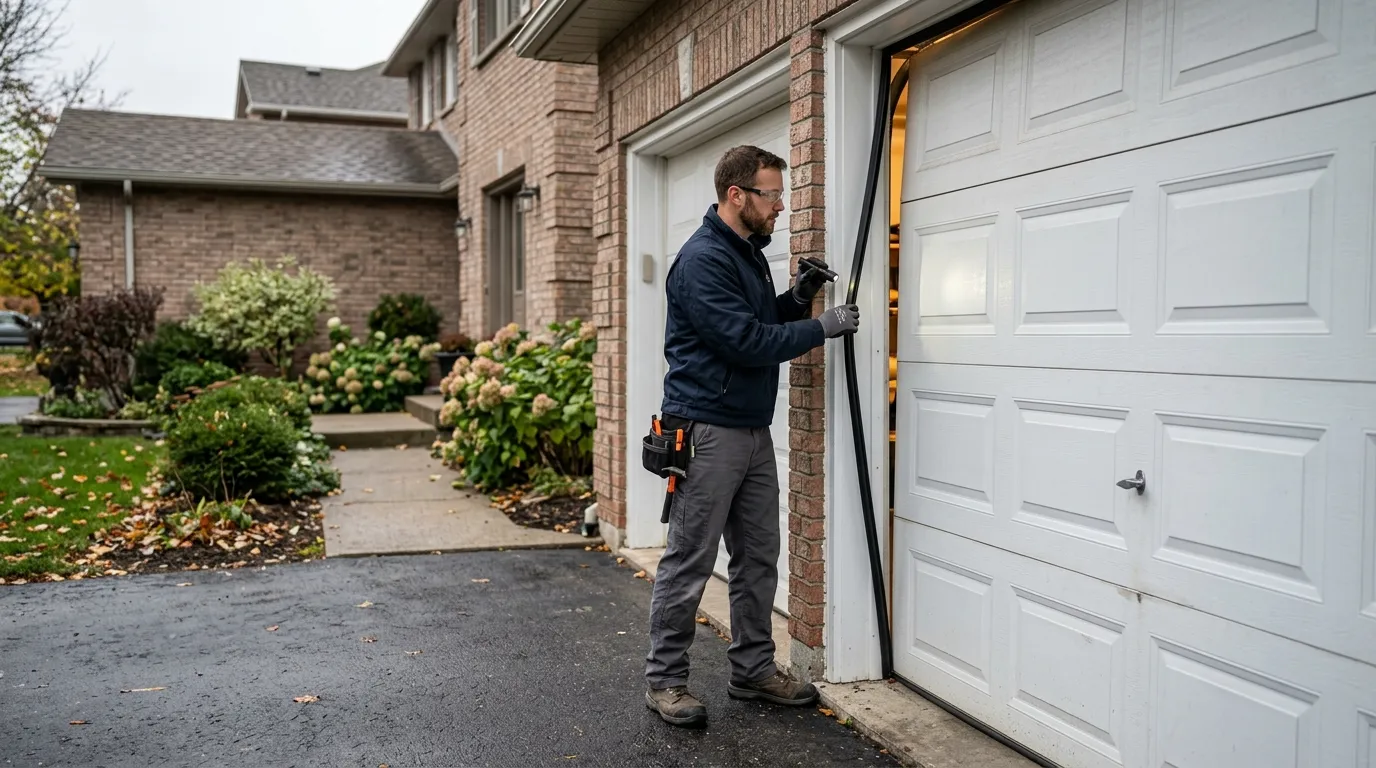
On newer doors we also see worn nylon rollers before anything else goes, since builder-grade doors often shipped with the cheaper roller as standard. If yours grinds or sticks partway up the track, that's usually the roller, not a reason to replace the whole door.
Doing It Yourself
A torsion spring under tension can put you in the hospital if it's not wound correctly - that's true on a brand-new door same as an old one, and it's not a job to learn on your own driveway. Swapping a roller or a bottom seal is reasonable DIY work if you're comfortable with a ladder and hand tools. Replacing the whole door, resetting spring tension, or moving to a new opener bracket is not - the door panels are heavy, the spring is loaded, and a bad measurement on a new install means a door that binds in the track for years.
We'll tell you straight if a job is a weekend fix versus one that needs a truck out from Murfreesboro. We'd rather talk you out of a bad DIY spring job than bill you for the ER trip.
Why This Fails Locally
A door quoted for the older housing stock near Murfreesboro - thicker walls, shallower headroom, older track spacing - doesn't drop cleanly into a house built around 2012 in Nolensville. The rough opening tolerances are different, the drywall return is usually cleaner, and the opener mounting point assumes a garage ceiling built to a newer code cycle. Quoting off a generic spec sheet instead of measuring the actual opening here is how you end up with a door that needs field-trimmed trim kit or a spring rated for the wrong door weight. We measure on site every time, on a 2012-built house or a 1994 one, because the two aren't interchangeable even though they're both in the same service territory.