Parts We Carry
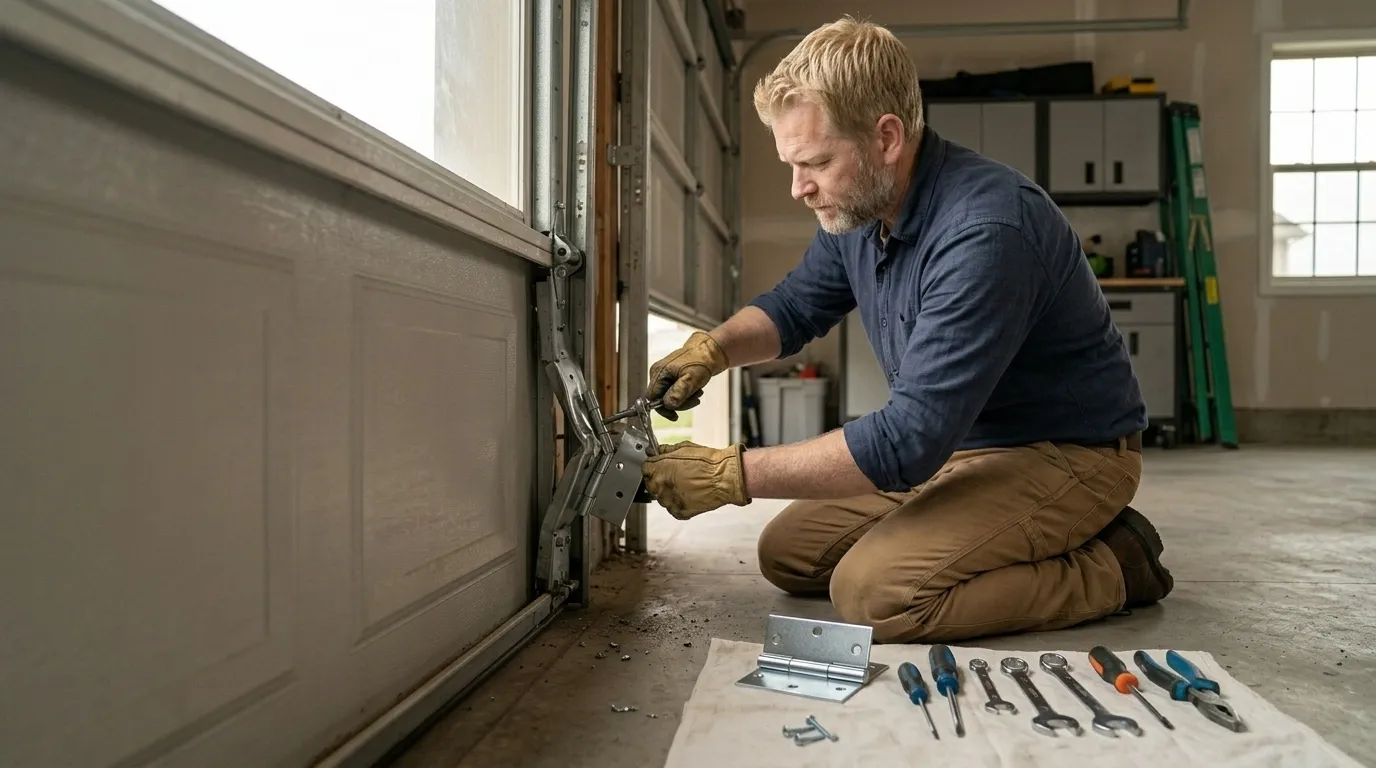
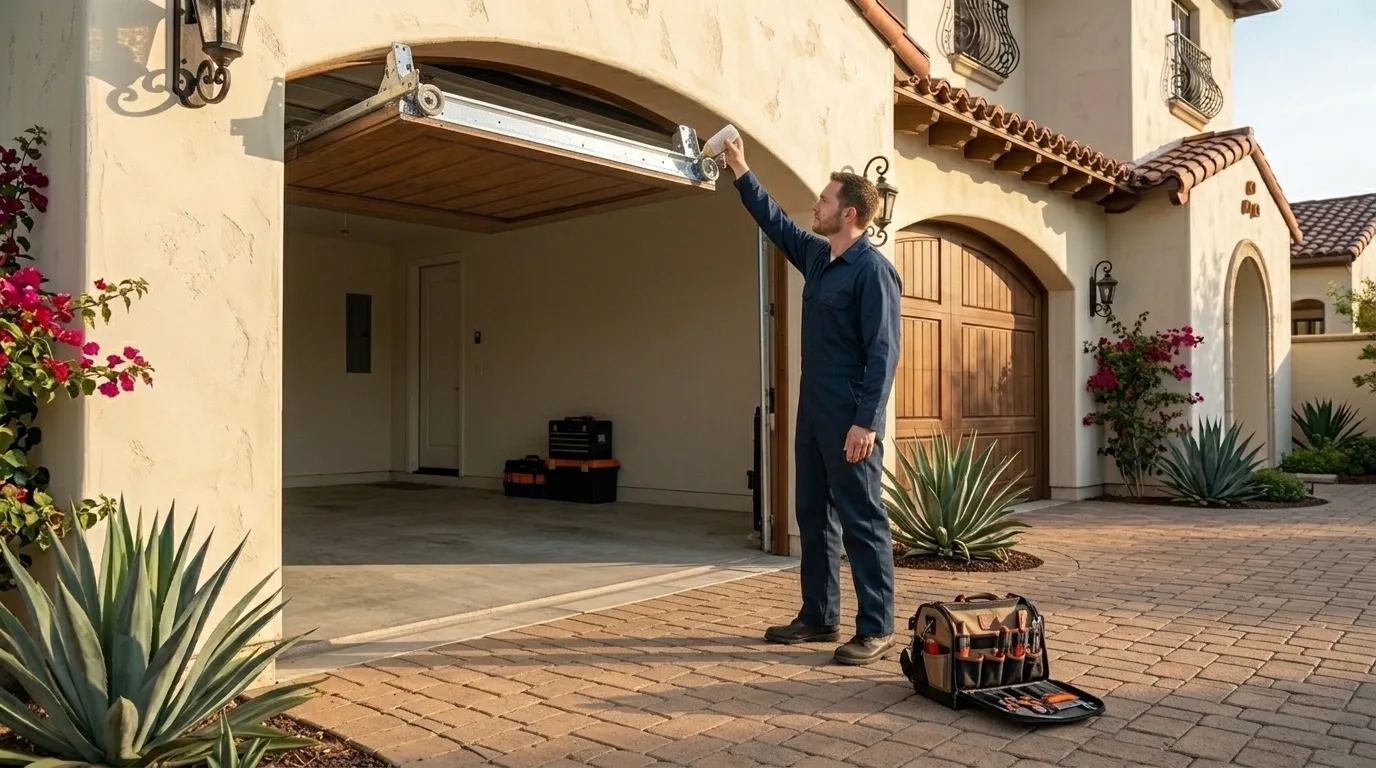
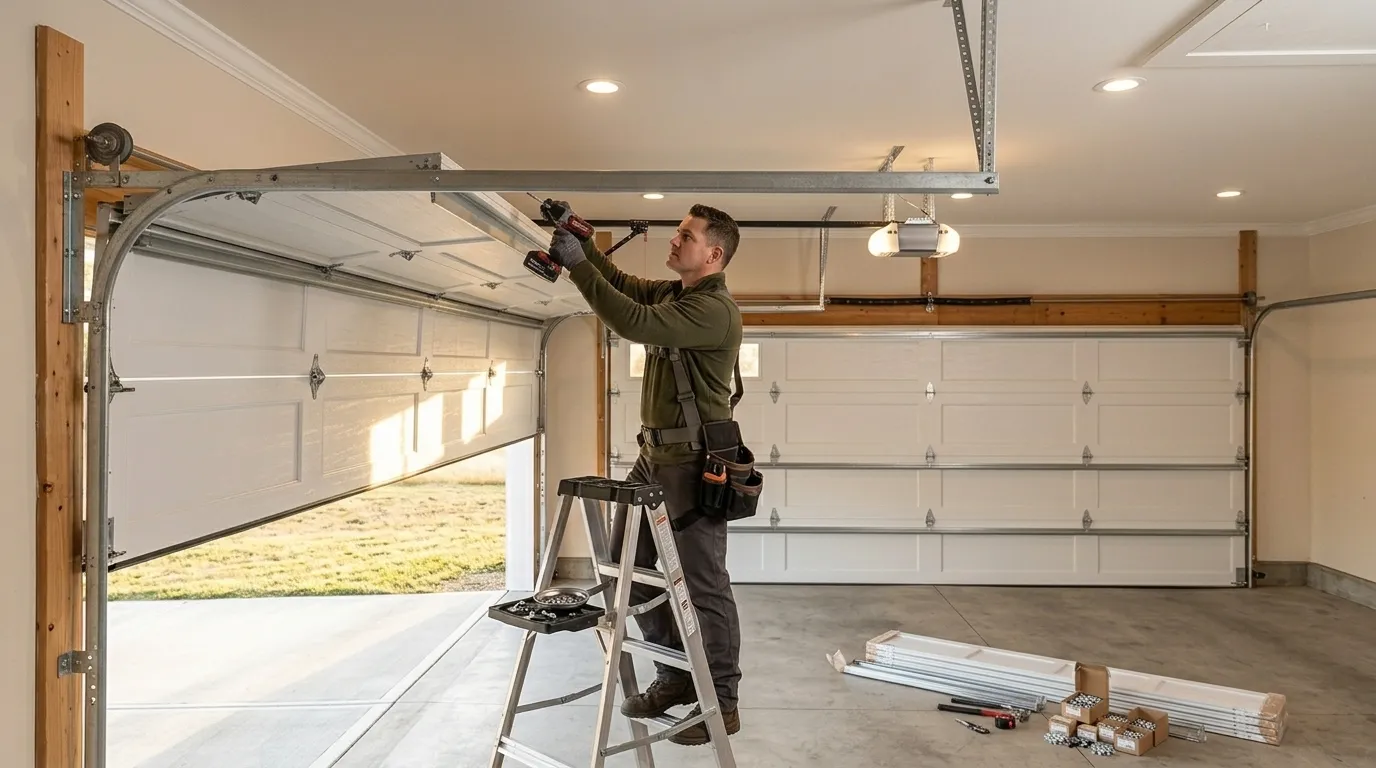
We stock two roller types on the truck: sealed-bearing steel rollers and nylon rollers with the same sealed bearing. For a town where most houses went up around 2012, the factory rollers are usually the builder-grade plastic wheel on a stamped stem, fine for a few years but noisy and prone to cracking once the grease dries out. We replace those with either upgrade depending on what the track tolerance calls for. Nylon runs quieter and doesn't need lubrication as often, which matters in a cold-moderate climate where grease thickens in winter. Steel holds up better under a heavier insulated door, and a lot of 2000s-and-newer construction here uses heavier panels than the older stock closer to Murfreesboro. We don't carry every off-brand roller stem size on the truck - if a builder used an unusual track width, that part may need to be ordered, which adds a day or two. We'll tell you on site if that's the case rather than force a wrong-size part onto your track.
What You Are Seeing
A grinding or rattling sound as the door opens or closes usually means a roller bearing has gone dry or cracked. If the door catches or jerks at the same spot on every cycle, that's often a specific roller binding in the track rather than a spring issue. Visible flat spots on the wheel, or a wheel that wobbles side to side as it moves, are both signs of wear past the point of lubricating your way out of it. On newer, heavier insulated doors, a failing roller near the bottom can also show up as the door sitting slightly crooked when closed, because the remaining rollers are carrying more of the load unevenly. None of these signs mean the opener is the problem, and swapping rollers on a door that's actually got a bent track won't fix the noise - we check both before quoting the job.
Doing It Yourself
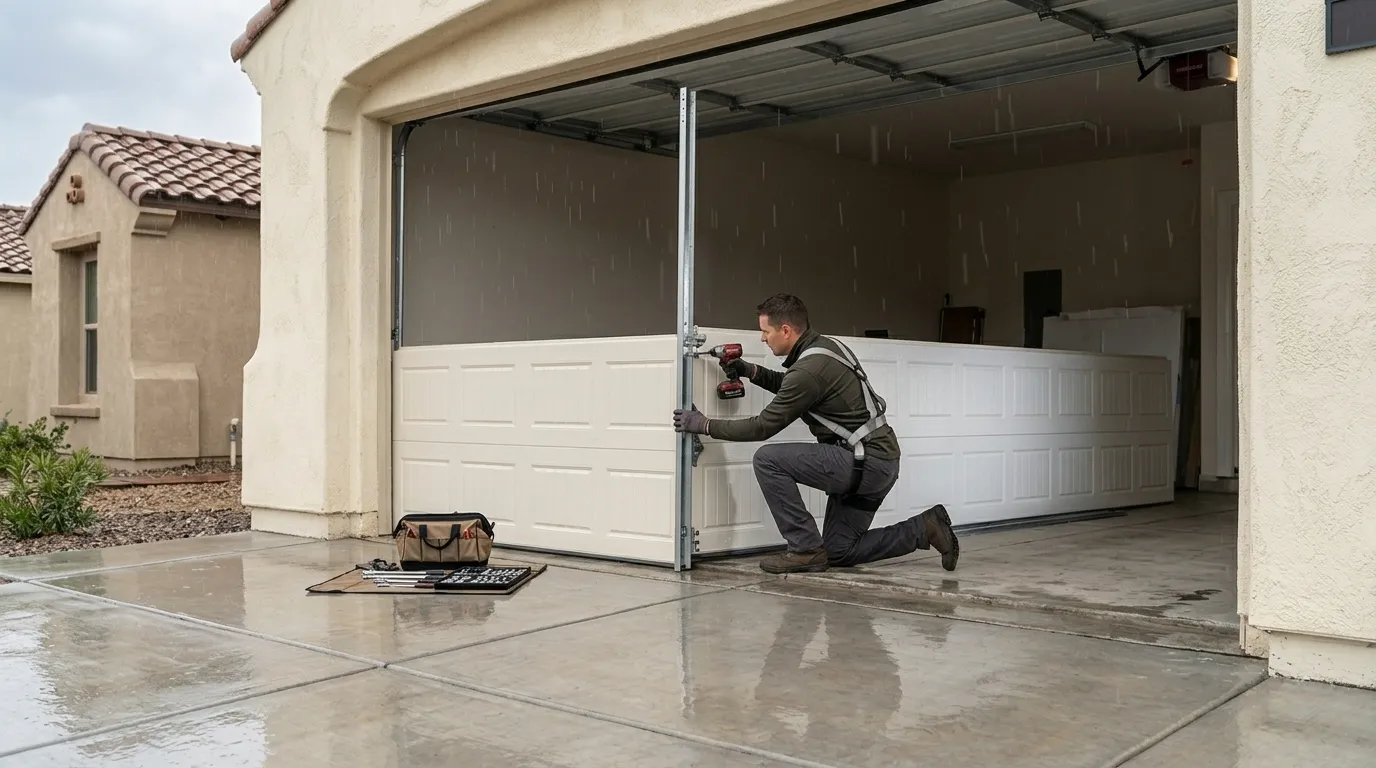
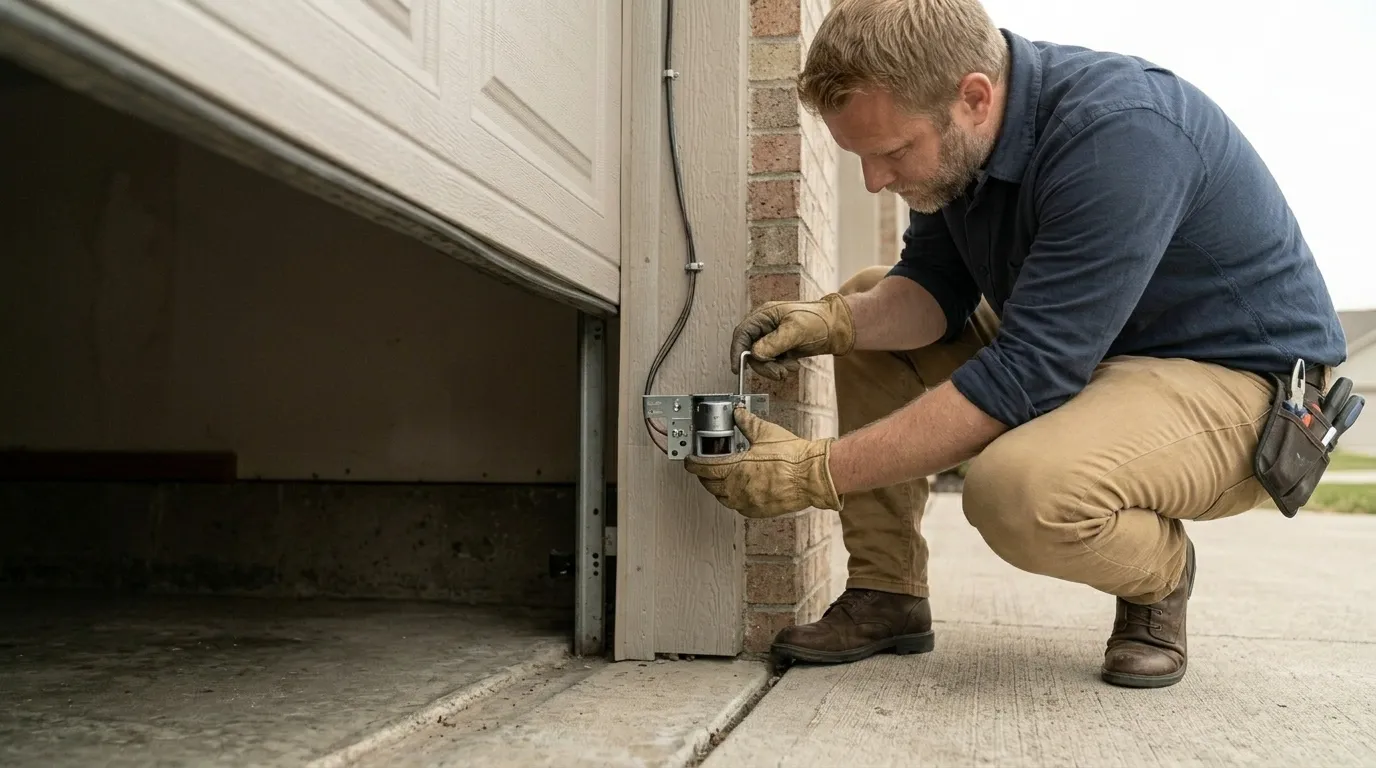
Bottom rollers on most residential doors are a reasonable DIY swap if you release the tension correctly and know which roller stems fit your track width. Top rollers are a different story - on an insulated door built to the specs common here, the top section is heavier than it looks, and pulling a roller with the door raised and unsecured is how people get hurt. We won't talk anyone out of doing the bottom rollers themselves. What we don't recommend is guessing at a stem length: an undersized stem can pull loose at the exact spot where a shorter-radius track puts the most stress. If you're not sure which one you have, that's a five-minute check we're glad to do without turning it into a bigger job than it is.
Why This Fails Locally
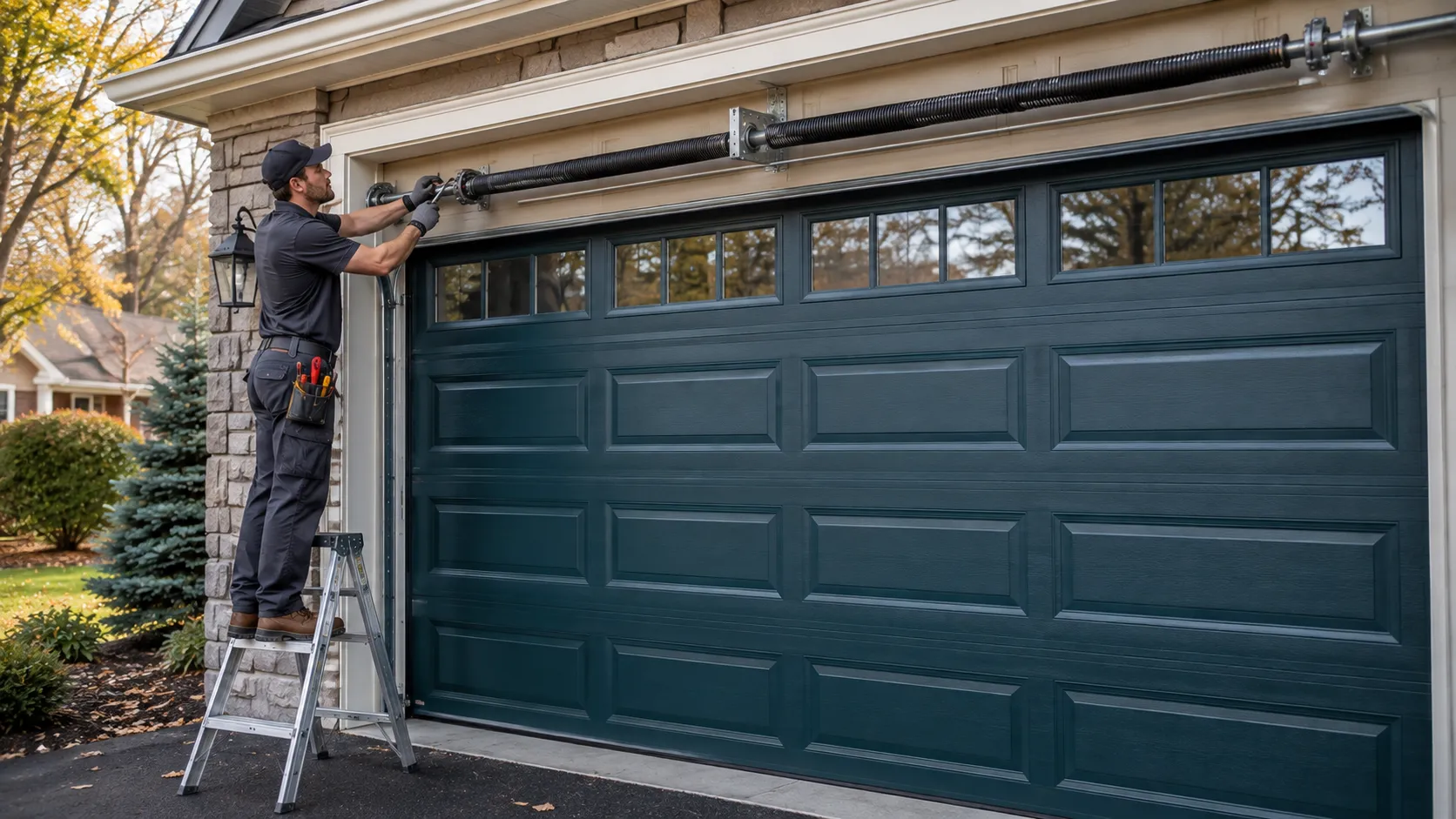
Nolensville's median household income runs well above the broader service area's figure of $84,310, and that changes the repair-or-replace math here more than it does elsewhere. On a $170,068-median-income household, replacing a full roller set on a door that's otherwise sound - track straight, springs good, opener fine - is rarely a hard sell, and it's usually the right call rather than nursing along a wheel that's already flat-spotted. That's a different conversation than we have on an older door closer to the rest of the service area, where the housing stock spans 1965 to 2012 and a full replacement competes against a door that may only have a few good years left in it anyway. With roughly 4,429 households in Nolensville against 20,058 across the whole area we cover, it's also a smaller, newer pocket - most of what we replace here is wear-and-tear on 2010s-era hardware, not the older torsion setups we see on the rest of the route.